

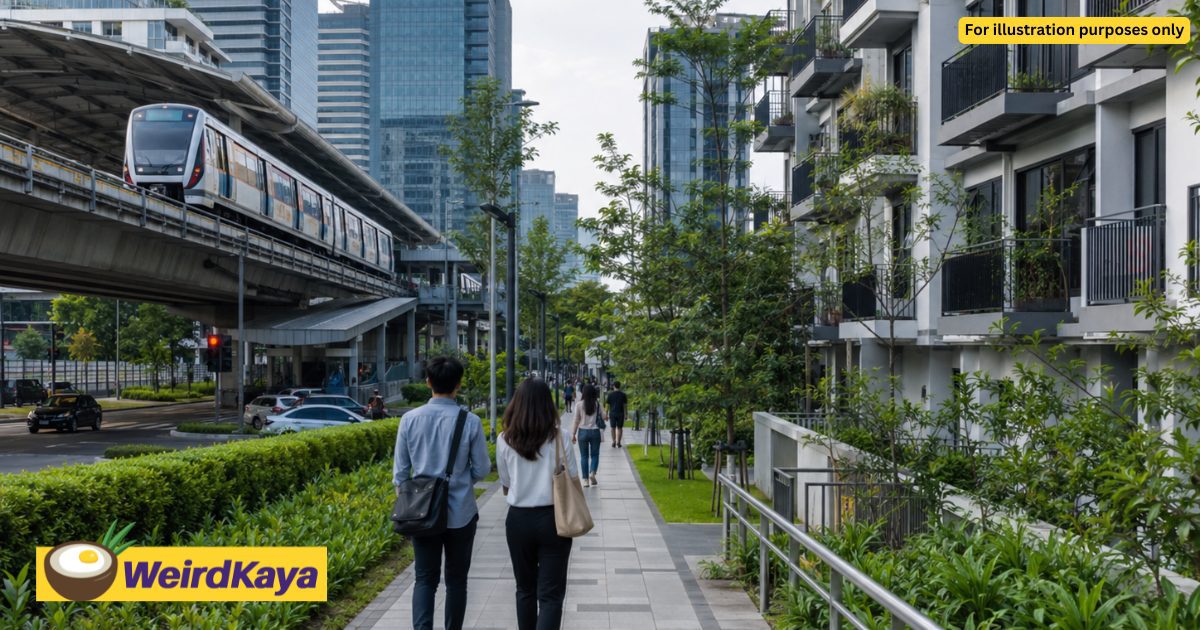
People often assume that being single means fewer commitments and more freedom with money.
But for many Malaysians today, the reality is quite different.
With rent, food, transport, internet, utilities and insurance all getting more expensive, living solo can be financially heavy too, especially when every bill has to be handled alone.
As more Malaysians marry later or choose to live alone, experts say this shift is no longer just about lifestyle. It could also affect housing demand, spending habits, financial planning and even the country’s economy in the long run.
Here’s a breakdown of why living single may not be as “cheap” as many think.
1. Singles may not have dependents, but they still carry many costs alone
Being single may mean not having to support a spouse or children, but that does not mean life automatically becomes cheaper.

For many single Malaysians, monthly expenses such as rent, utilities, internet, transport, food, insurance and other commitments still have to be paid, reported Sinar Harian.
The difference is that these costs are usually handled alone.
Unlike couples or families who may be able to share rent, bills or household expenses, solo individuals often have to bear the full cost themselves.
This means the cost per person can become higher, especially for fixed expenses that do not change much regardless of whether one or two people are using them.
2. Fixed monthly expenses are one of the biggest challenges
According to Muhamad Zharif Luqman, an economist from Centre for Future Studies Berhad, one of the main challenges faced by single individuals is the cost of fixed commitments.
Even if someone lives alone, rent or room rental still needs to be paid every month.
On top of that, bills such as utilities, internet and transport may not differ much based on the number of people in a household.
When more individuals live alone, the per capita cost becomes higher because there is no sharing of fixed costs.
“This has implications on their ability to save, invest, buy a house and plan for retirement,” he told Sinar Bisnes.
In simple terms, being single does not remove the big monthly bills. It just means there is no one else to split them with.
3. Young Malaysians are already facing a tight income-versus-expense gap
The report also highlighted data from the Department of Statistics Malaysia, which showed that the average household consumption expenditure increased to RM5,566 per month in 2024.

A large portion of this spending went towards housing and utilities, food, restaurants and transport.
At the same time, the median salary for Malaysians aged between 25 and 34 was RM2,490 per month.
This shows the financial pressure many young workers face when trying to balance their income with current living costs.
For young people living in cities, a big part of their salary may already go towards basic needs such as rent, transport and food.
After paying for these essentials, there may be little left for savings, investments, emergency funds or long-term planning.
4. It may delay bigger life plans
Because of rising costs, some single Malaysians may find it harder to move forward with major life goals.
This includes buying a home, building long-term assets, investing, planning for retirement or even starting a family.

Although they may not have dependents, the lack of shared financial support means their room to save may still be limited.
Muhamad Zharif said this situation could affect a person’s ability to save, invest, purchase property and prepare for retirement.
In the long run, this could also affect financial security among younger Malaysians, especially those living on a single income in urban areas.
5. More Malaysians living alone is becoming a bigger economic issue
Muhamad Zharif said the bigger question is not just whether being single is expensive or cheap.
Instead, the issue is whether Malaysia’s economy, market and public policies are ready to handle the rise of solo households in the future.
He said the increase in people marrying later or choosing to live alone is part of a wider demographic shift.
“The bigger question is not whether living single is expensive or cheap, but how far the economy, market and public policies are prepared to face the rise of solo households in the future,” he said.
According to him, this trend could affect housing demand, financial products, spending patterns and urban planning.
This means single-person households are no longer just a personal lifestyle matter. They are becoming a segment that needs to be considered in national planning.
6. Malaysia may need more affordable rental homes and smaller units
Looking at the challenges faced by smaller households, Muhamad Zharif said the government should consider policies that are more responsive to single-income individuals.
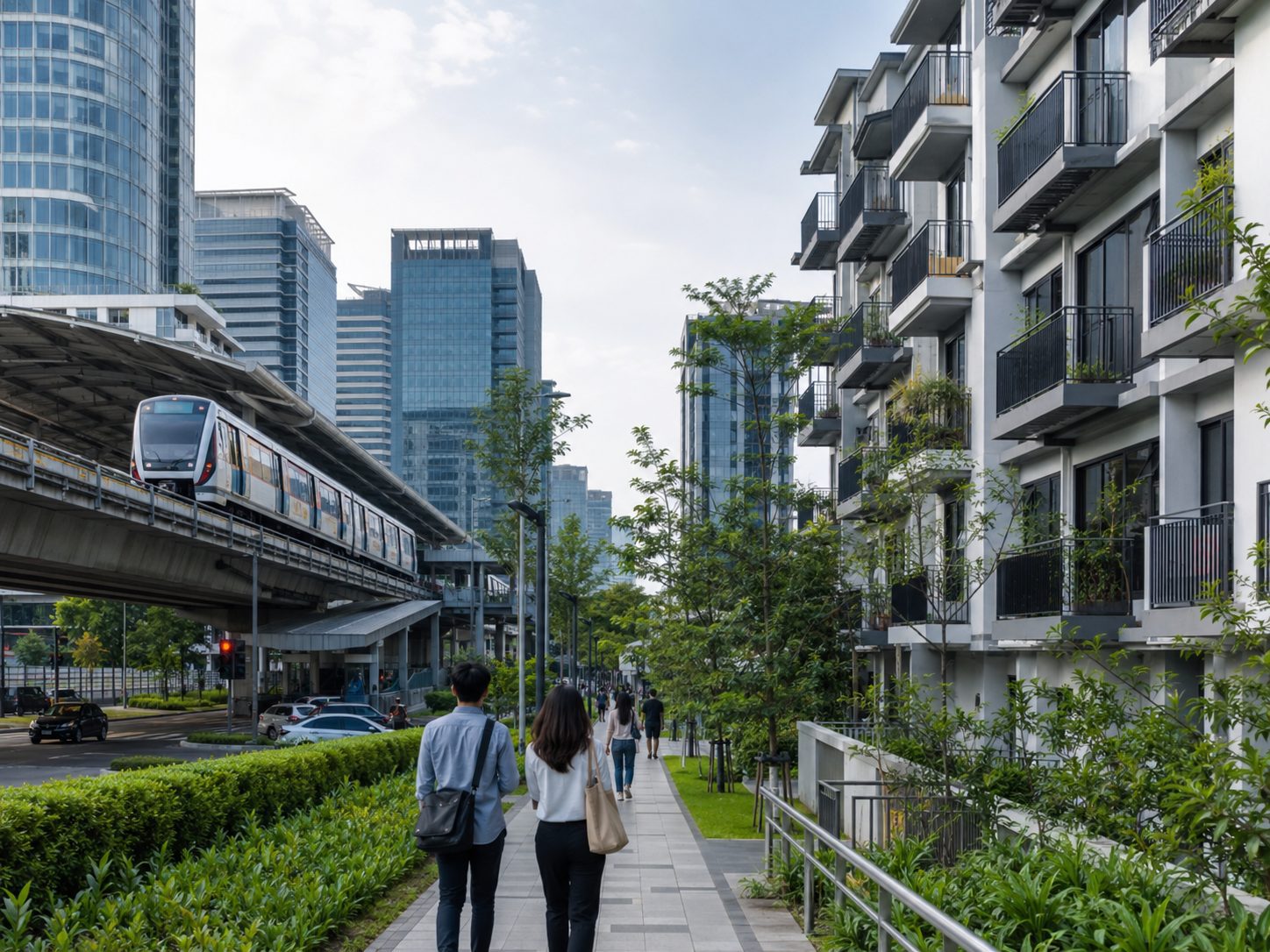
Among the steps that could be explored is expanding the supply of affordable rental housing.
He said there should also be more quality smaller homes located near workplaces and public transport networks.
Housing policy cannot only focus on home ownership. For many young people, their priority right now is to get a comfortable and affordable place to rent before they are ready to buy their own home,” he said.
This is especially important for young Malaysians who may not be financially ready to buy a house, but still need a stable and affordable place to live.
7. Rent-to-own schemes could be made more individual-friendly
Aside from affordable rentals, Muhamad Zharif also suggested expanding rent-to-own schemes that are friendlier to individuals.
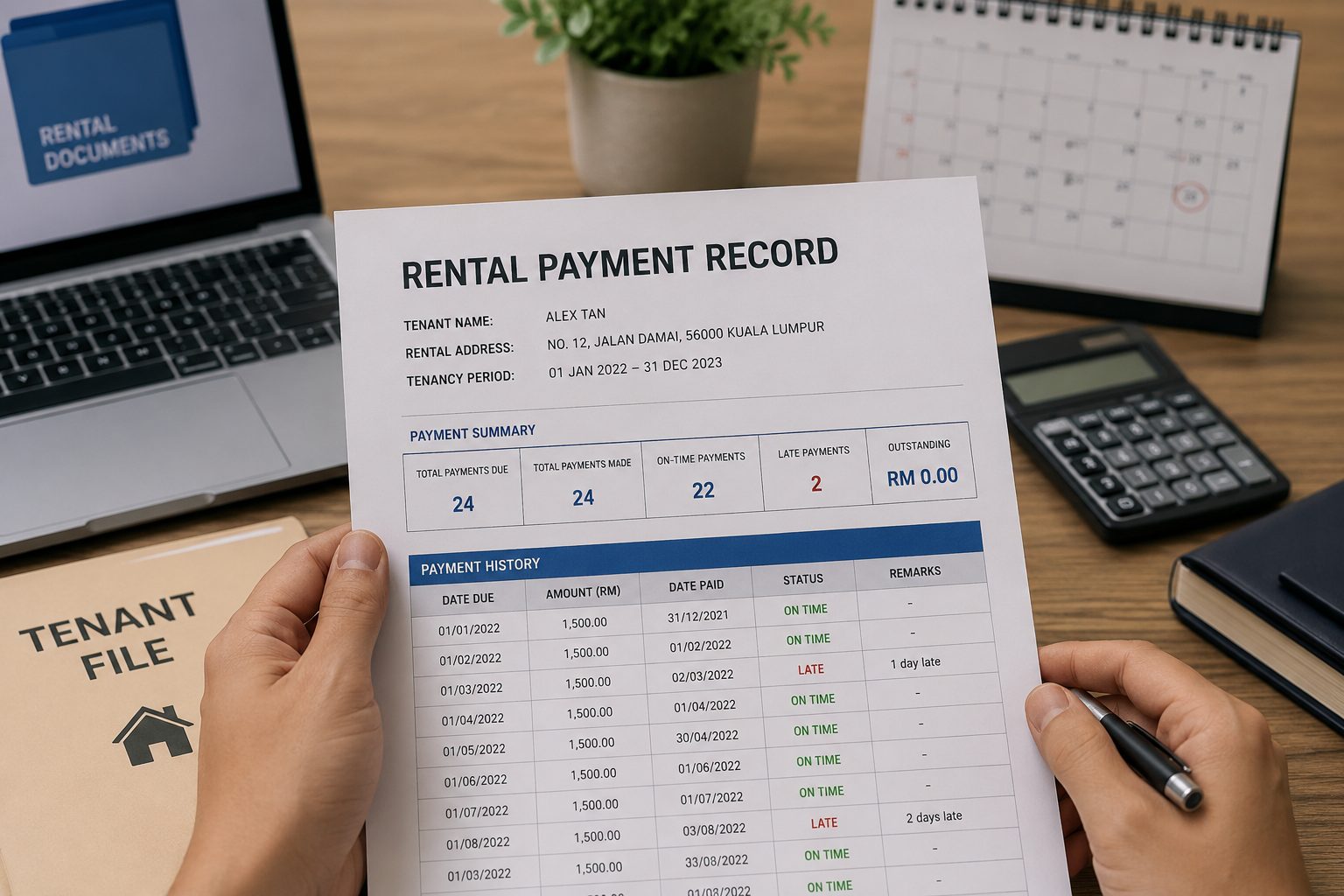
He said the eligibility process could take into account factors such as rental payment records, Employees Provident Fund contributions and the applicant’s financial discipline.
This could help individuals who have good financial records but do not have enough savings for a home deposit.
According to him, such an approach may give more people a better chance of eventually owning a home, even if they are living on one income.
8. Financial products should also fit single-income earners
Muhamad Zharif also said there is a need for more financial products that suit people living on a single income.
These could include automatic savings schemes, income loss protection, micro-insurance and emergency savings tools.
This is important because losing income can be especially difficult for single individuals who do not have another household income to rely on.
He added that helping single Malaysians should not be seen as encouraging people to live alone.
Instead, it should be viewed as a way to strengthen the financial resilience of Malaysians as the country’s social and economic landscape changes.
“Economic planning can no longer be based only on the needs of family households.
“Single individuals are now becoming a more significant segment in the national economy, and their needs must be considered in public policy formation so that people’s wellbeing can continue to be protected,” he said.
9. Solo living may also change what Malaysians buy
Meanwhile, Dr Siti Norbaya Mohd Rashid, senior lecturer at the Faculty of Business and Management at UiTM Puncak Alam, said the rise in solo living and delayed marriages is not just a lifestyle issue.
She said it could have major effects on Malaysia’s long-term economic direction.
According to her, the trend may influence consumption patterns, the housing market, workforce structure and population growth.
As the number of smaller households increases, demand may shift towards products and services designed for individuals instead of families.
“We will see more demand for smaller homes, flexible financial products, subscription-based services and solutions that are more suitable for individual lifestyles,” she said.
This could also open up new opportunities for businesses to adjust their products and services according to changing consumer needs.
10. But it could also bring long-term challenges for Malaysia
While the growth of solo households may create new business opportunities, Dr Siti Norbaya said it could also bring bigger challenges if not managed properly.

She said delayed marriages and the rise of solo households are closely linked to declining birth rates.
If this trend continues, Malaysia may face slower population growth and a larger ageing population in the future.
“When more people delay marriage and forming families, the impact is not only on household structure but also on the country’s population composition in the long term.
Malaysia needs to be ready for a situation where the number of older people increases, while the working-age population grows at a slower pace,” she explained.
According to her, this could put pressure on the labour market and the country’s social protection system.
This is because the number of people who need support may increase compared to those in the working-age group.
11. Future economic growth cannot depend only on population growth
Dr Siti Norbaya said Malaysia’s future economic growth cannot depend only on population growth or domestic consumption.
Instead, the country will need to place more emphasis on improving productivity, adopting technology, automation, skills development and creating quality jobs.
This would help ensure that economic growth remains sustainable even as the country’s population structure changes.
“Economic planning can no longer be based only on the needs of family households, but must also take into account the growth of solo households, which are becoming increasingly significant,” she said.
12. At the end of the day, it is about financial stability
Dr Siti Norbaya said the issue should not be reduced to a person’s marital status.
At the end of the day, this issue is not about a person’s marital status, but how to ensure every individual has a fair chance to achieve financial stability and a good quality of life,” she said.
Ultimately, the question of whether it is expensive to be single today is no longer just about one person’s monthly spending.
It is also linked to bigger issues such as housing affordability, family formation, population growth, social protection and Malaysia’s overall economic resilience.
As the cost of living continues to rise, experts say Malaysia’s ability to adapt its policies to this new reality will play an important role in protecting the wellbeing of its people in the future.