

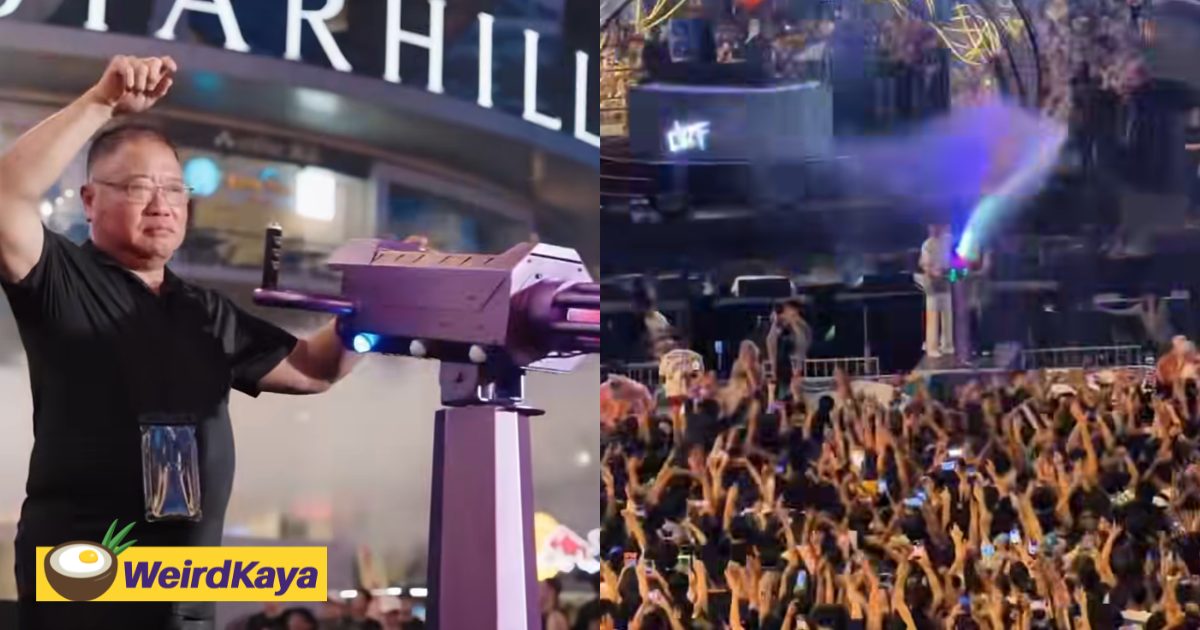
The Rain Rave Water Music Festival in Kuala Lumpur generated an estimated RM320.43 million in economic returns, said Tourism, Arts and Culture Minister Datuk Seri Tiong King Sing.
The festival was held as part of the Visit Malaysia 2026 campaign, through a collaboration between Tourism Malaysia and the private sector.
According to Tiong, the event was selected as one of the signature events under VM2026 to attract more visitors, increase tourist spending, and boost the local economy.
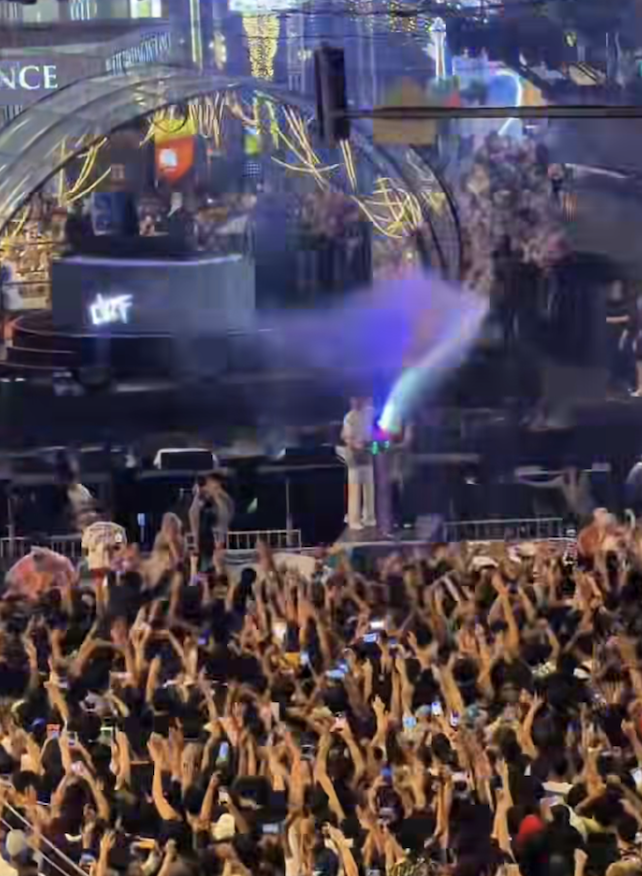
250,000 visitors attended the KL event
Tiong said the festival attracted around 150,000 domestic visitors, including those from Sabah and Sarawak.
It also drew about 100,000 foreign tourists from countries such as China, Japan, Bangladesh, India, South Korea, Thailand, Singapore, Indonesia and Vietnam.
In total, the Kuala Lumpur festival brought an estimated RM320.43 million in economic returns.
Overall festival drew 415,000 visitors
The festival was also held in several locations outside Kuala Lumpur, including Terengganu, Melaka, Labuan, Negeri Sembilan, Johor and Langkawi.
According to Tiong, these locations attracted around 165,000 visitors and generated an estimated RM71.9 million in economic returns.
Overall, he said the festival attracted about 415,000 visitors and contributed an estimated RM392.33 million to the national economy.
He added that the economic impact was calculated based on Tourism Malaysia’s methodology, including the Departing Visitors Survey and supporting data from the Department of Statistics Malaysia.
RM15mil spent to organise the festival
Tiong said the festival cost RM15 million to organise.
Out of this amount, RM11 million came from the government, while RM4 million was contributed by the private sector.
He added that every RM1 spent by the government generated an estimated RM36 in economic returns.
Tiong also said the government could have charged an entrance fee for the festival.
For example, if tickets were priced at RM300 per person, the event could have generated around RM75 million. If tickets were priced at RM200 per person, it could have generated around RM50 million.
However, he said the government chose to keep the event free as a gesture of appreciation to Malaysians in conjunction with Labour Day, especially workers who have contributed to the country’s development.
Malls and local businesses saw more visitors
Tiong said the festival also benefited businesses around Bukit Bintang.
Based on feedback from the BBKLCC Tourism Association, Lot 10 recorded a 40% increase in visitors, while Sungei Wang Plaza saw visitor growth of up to 31.3%.
He added that the food and beverage sector also saw stronger sales during the festival.
According to Tiong, 63 food stalls in Bukit Bintang and 15 craft stalls from several states were involved in the festival, generating direct sales of RM388,690.
He gave an example of a food and beverage vendor from Kelantan, who reportedly earned RM4,600 on the first day, RM6,200 on the second day, and around RM10,000 on the third day.
The vendor told him that back in Kelantan, he would usually earn around RM200 a day.
Promoting Malaysia through event tourism
Tiong said the festival also attracted 41 international media representatives to help promote the event and Visit Malaysia 2026 overseas.
He added that the festival generated nearly 10,000 media reports and digital content, with an estimated publicity value of RM77.5 million.
It also recorded 1.9 billion social media reach, 25.1 million interactions, and 25.3 million video views.
While the festival featured modern international entertainment, Tiong said local identity was also highlighted through traditional Malaysian music performances, cultural fashion shows, traditional games, heritage food, and local artists.
Following the positive response and economic impact, Tiong said the ministry received feedback from industry players and local businesses suggesting that the festival be continued as an annual international-level event.