

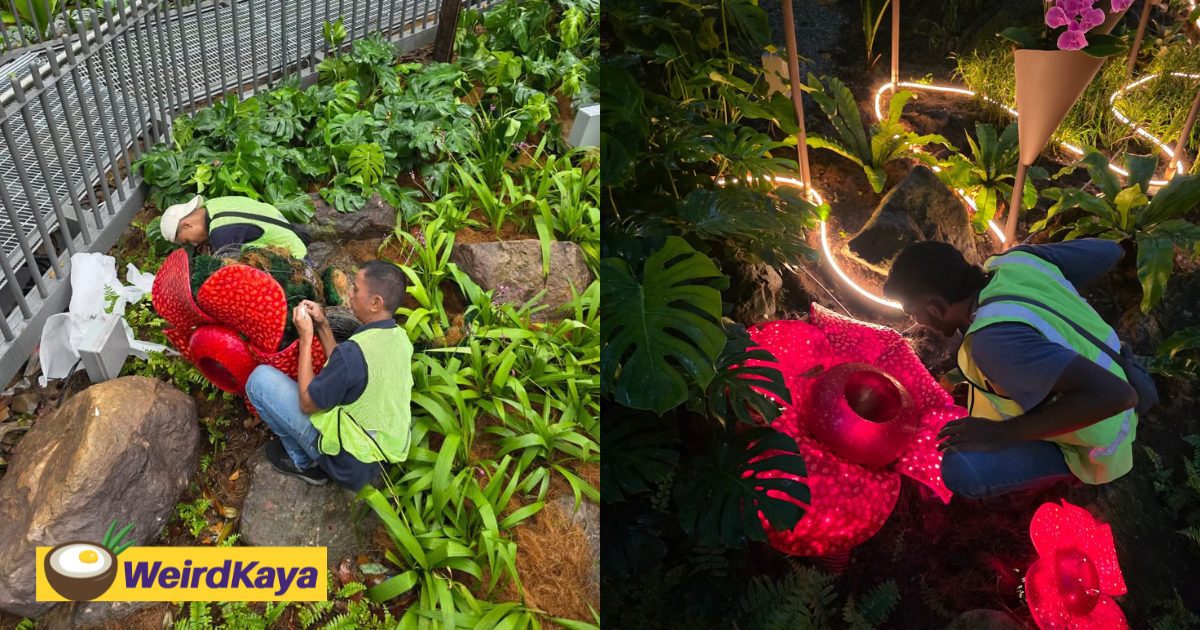
A hornbill and a rafflesia at KLIA1 recently got dragged online after some social media users called them “fake”.
But the local team behind the RIMBA KLIA1 installation is now setting the record straight: they were not trying to fool anyone with a real bird or real flower. It was an art installation, handmade by Malaysians from scratch.

And yes, there is a lot more work behind it than most people realised.
‘Not fake, it’s called an installation’
In response to the viral criticism, a representative from RPLD (Richard’s Prestige Lighting & Design), the Malaysian creative team responsible for the pieces, clarified that the hornbill and rafflesia were not meant to be passed off as real animals or flowers.
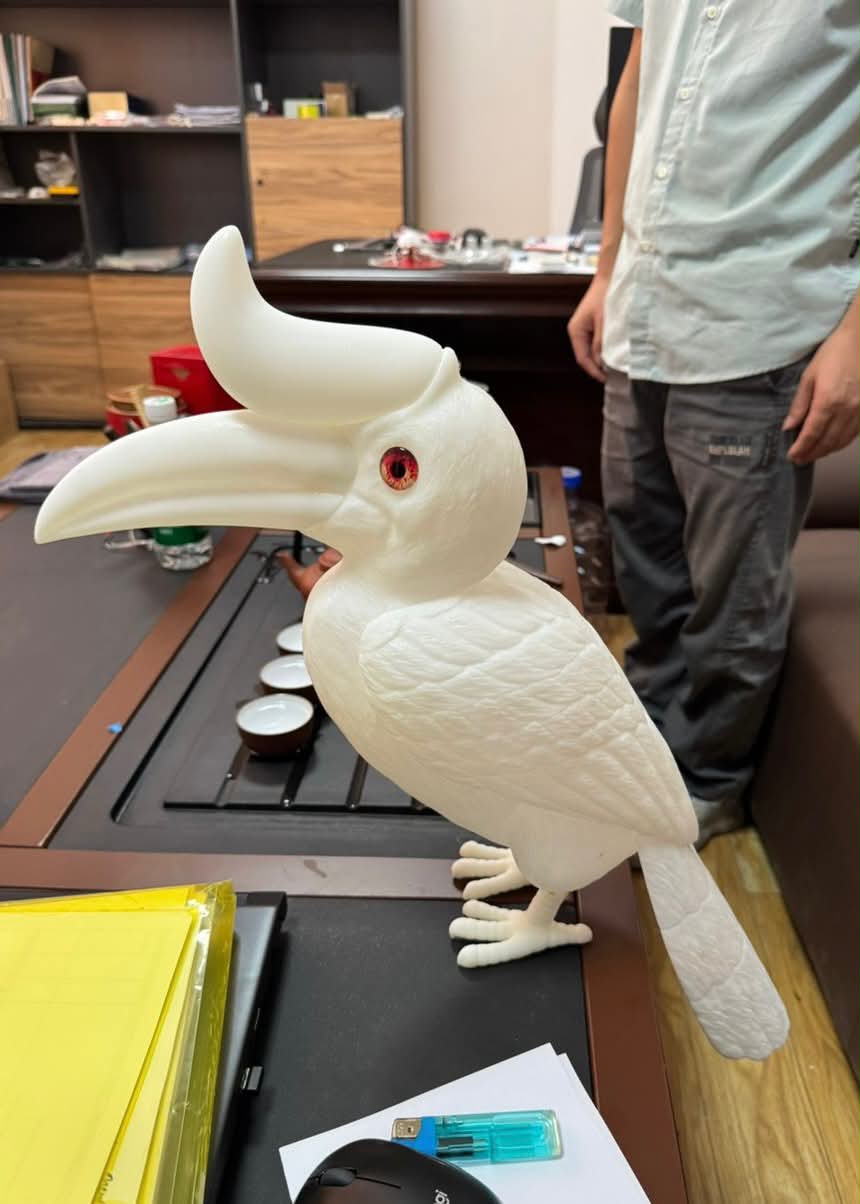
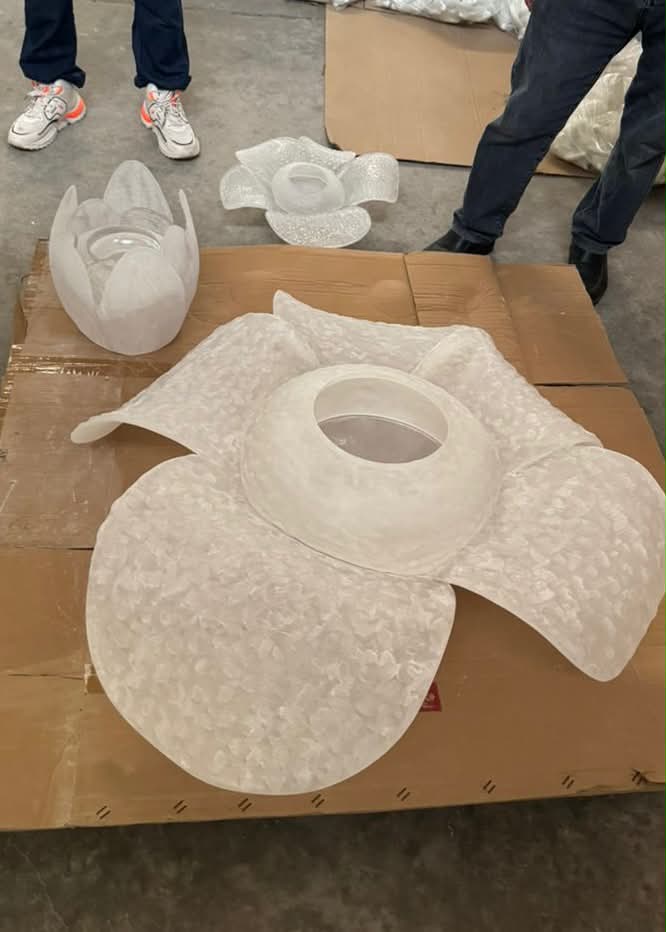
Instead, they said the pieces were handmade installations created by Malaysian talents.
“Not fake, it’s called an installation,” the representative wrote in a social media post.
They also proudly added that the work was “made in Malaysia, by Malaysian hands.”
Built from scratch by a local team
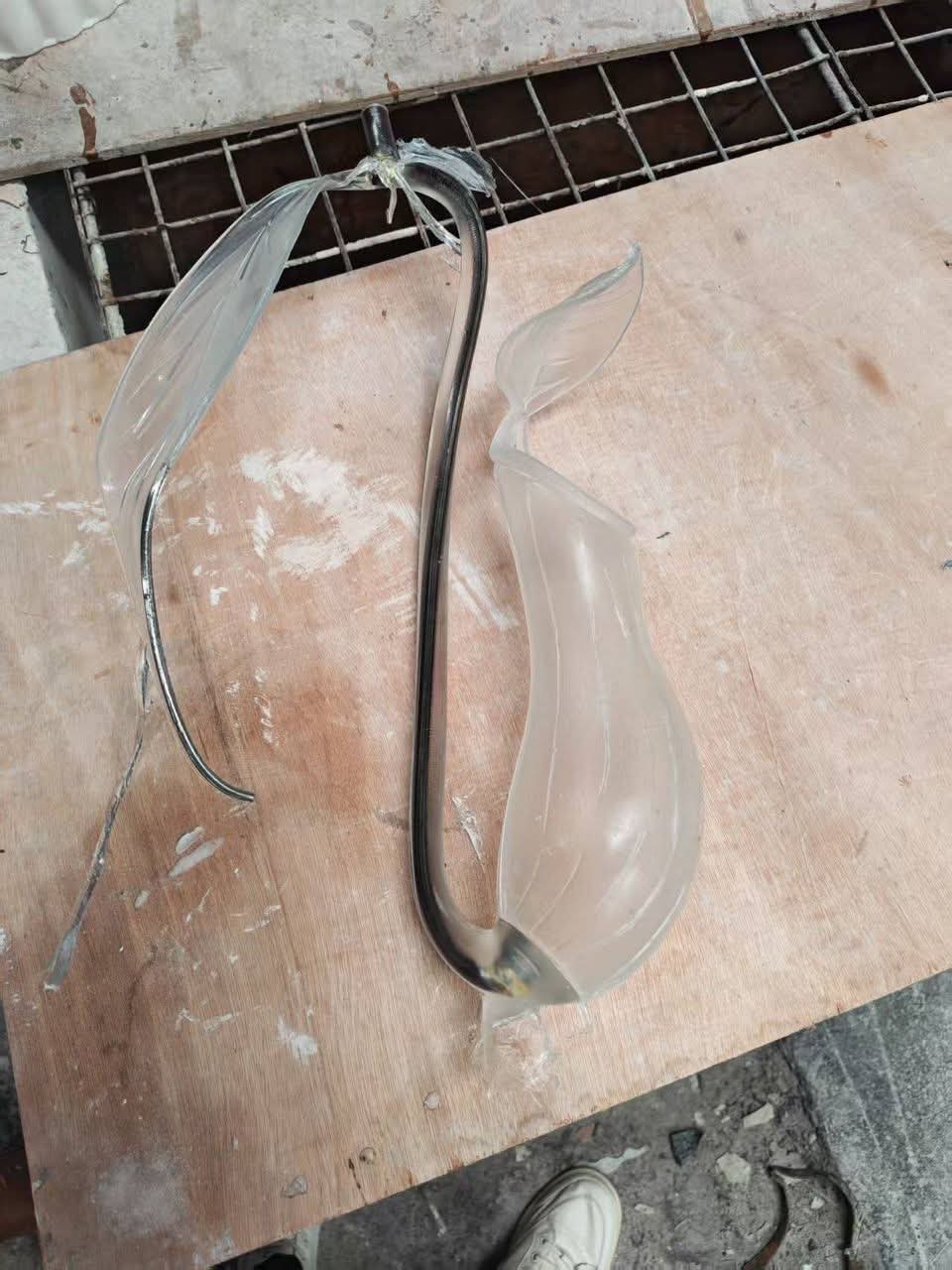
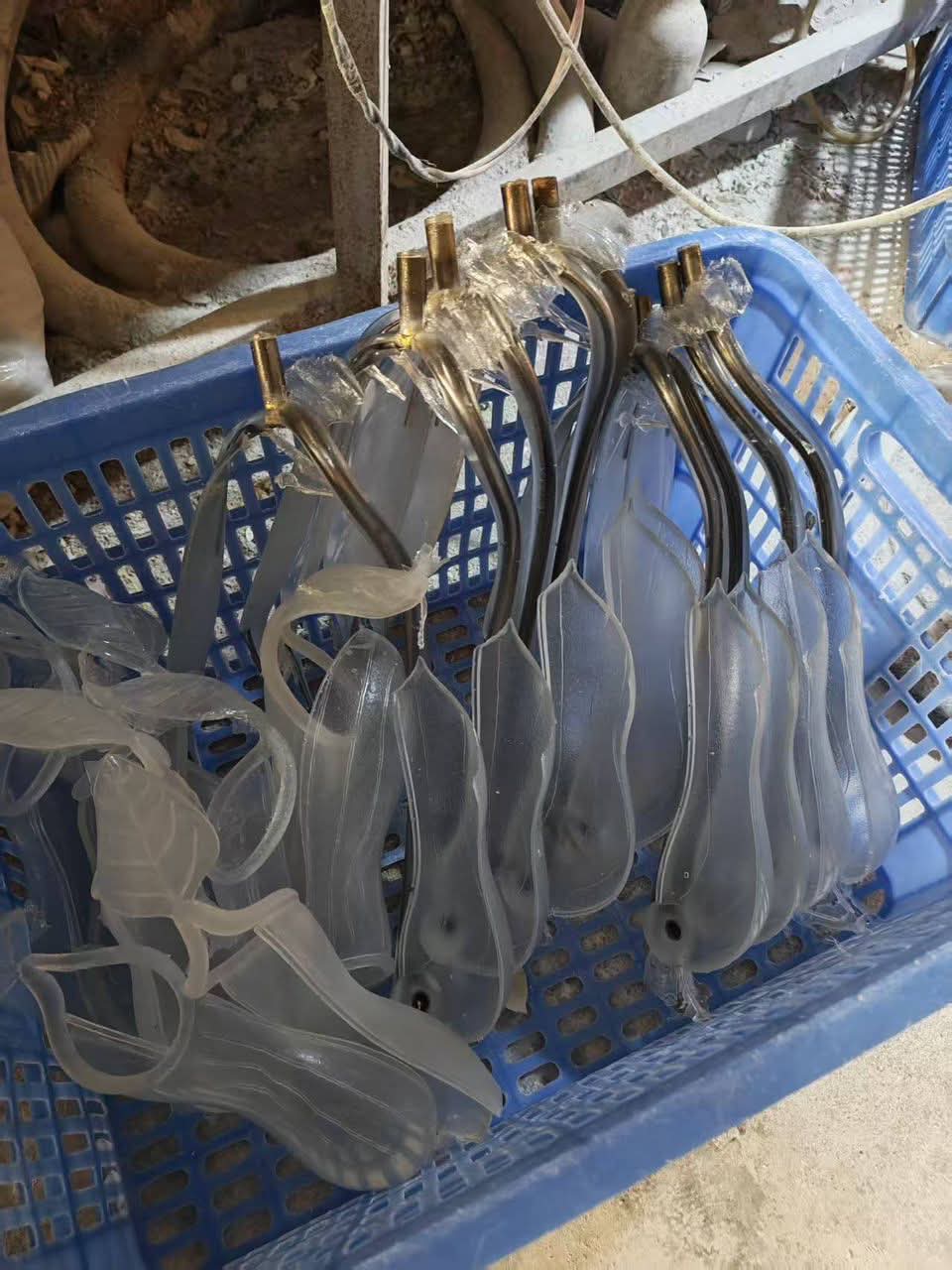
RPLD later shared behind-the-scenes photos showing how the hornbill and rafflesia pieces were made.
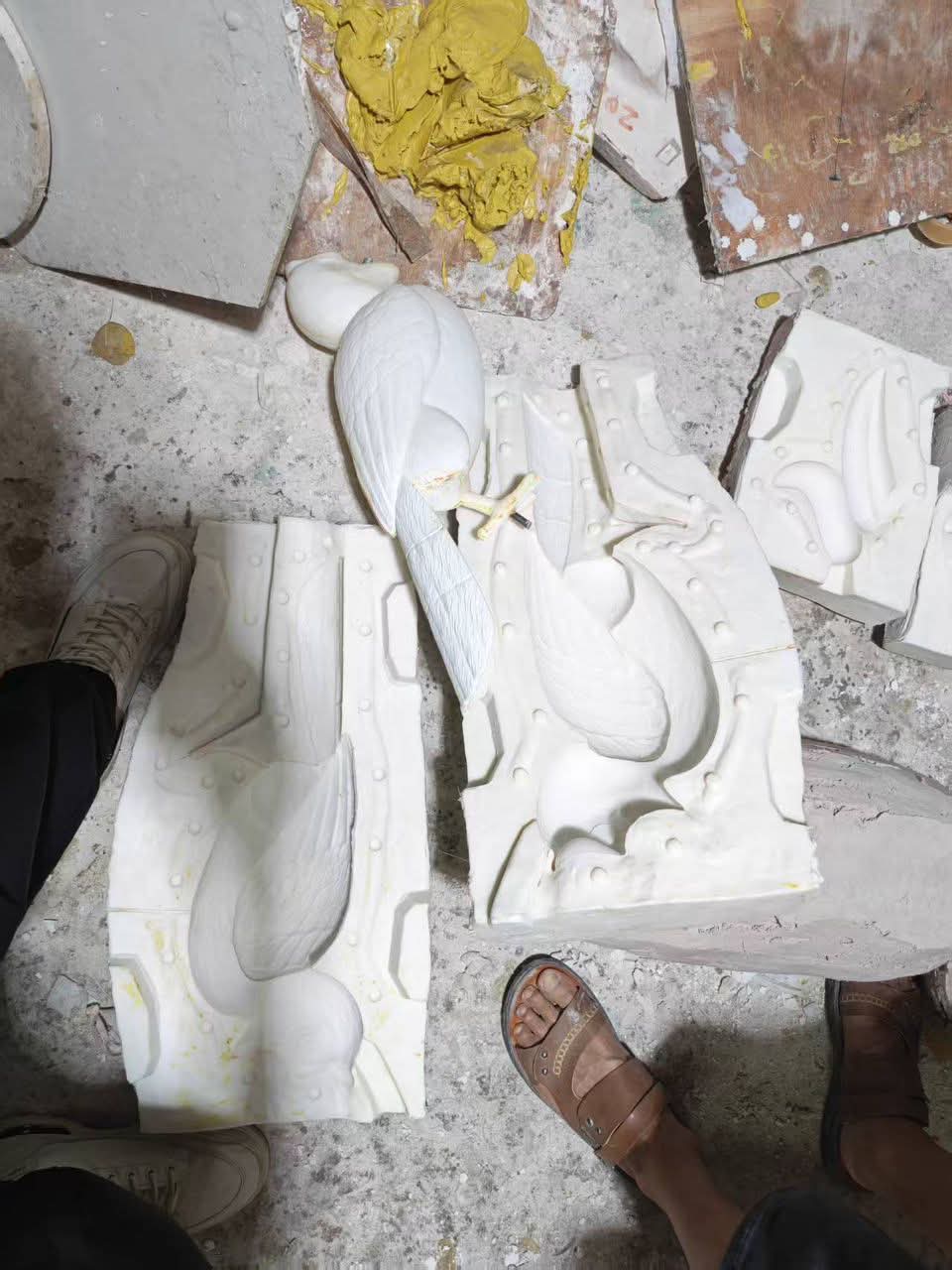
According to the team, the process involved moulding, casting, and fibre optic wiring, all done by the team themselves.
They stressed that the pieces were not copied or bought from elsewhere.
From the mould, to the casting, to the fibre optic wiring, everything was done by ourselves. It was not copied and pasted from anywhere,” the post read.
Photos shared by the team showed unfinished hornbill parts, rafflesia moulds, wiring work, and the installation process at KLIA1.
Months of hard work at KLIA1
The team also revealed that they had spent months working at KLIA1 to make sure every part of the installation was properly done.
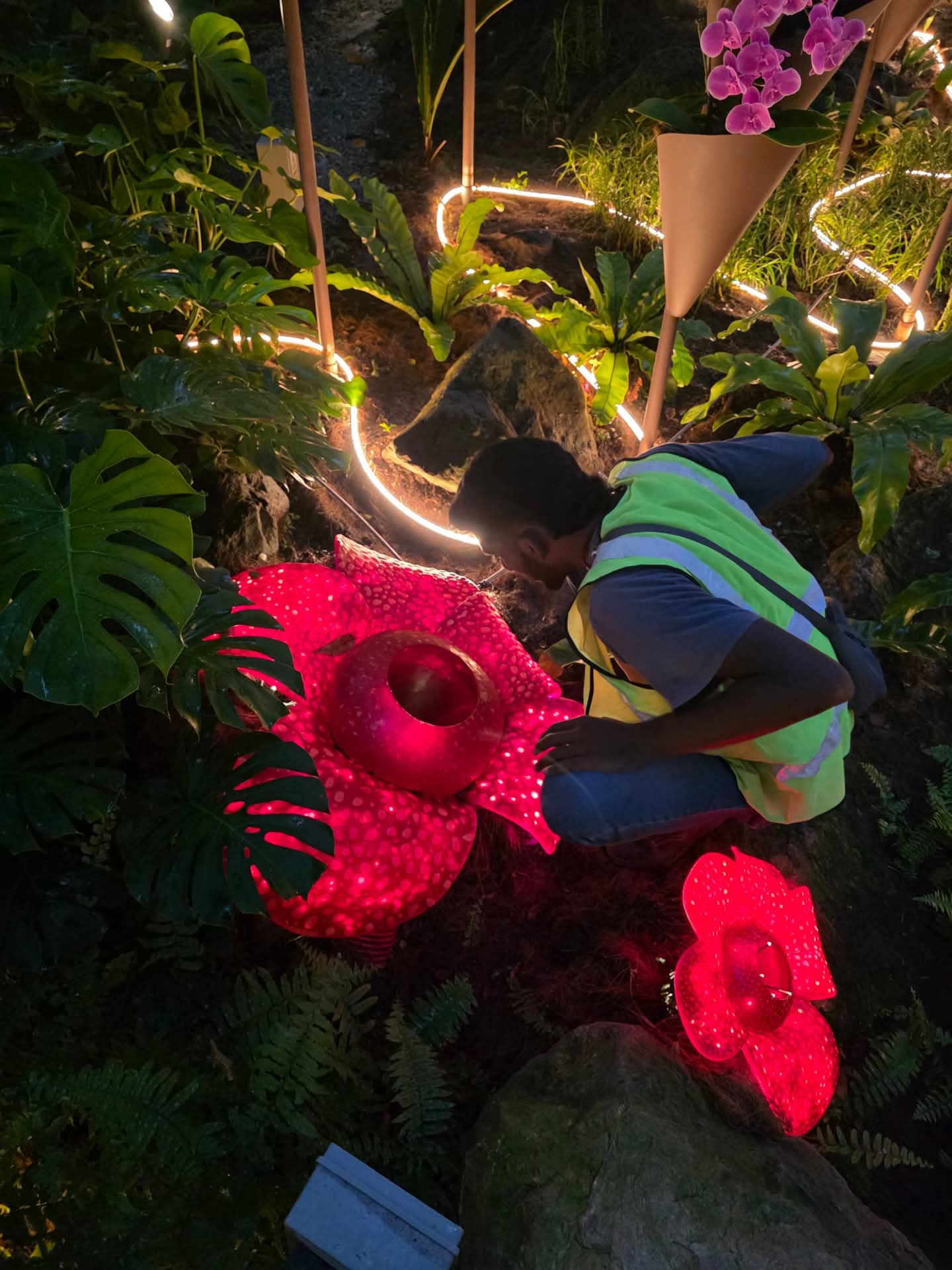
They described the process as tiring and hot, but ultimately worth it.
“Months of work at KLIA to make sure every piece was perfect. Hot, tiring, but worth it,” the representative wrote.
The rafflesia structures were also fitted with lighting, allowing them to glow at night and create a different ambience in the RIMBA area.
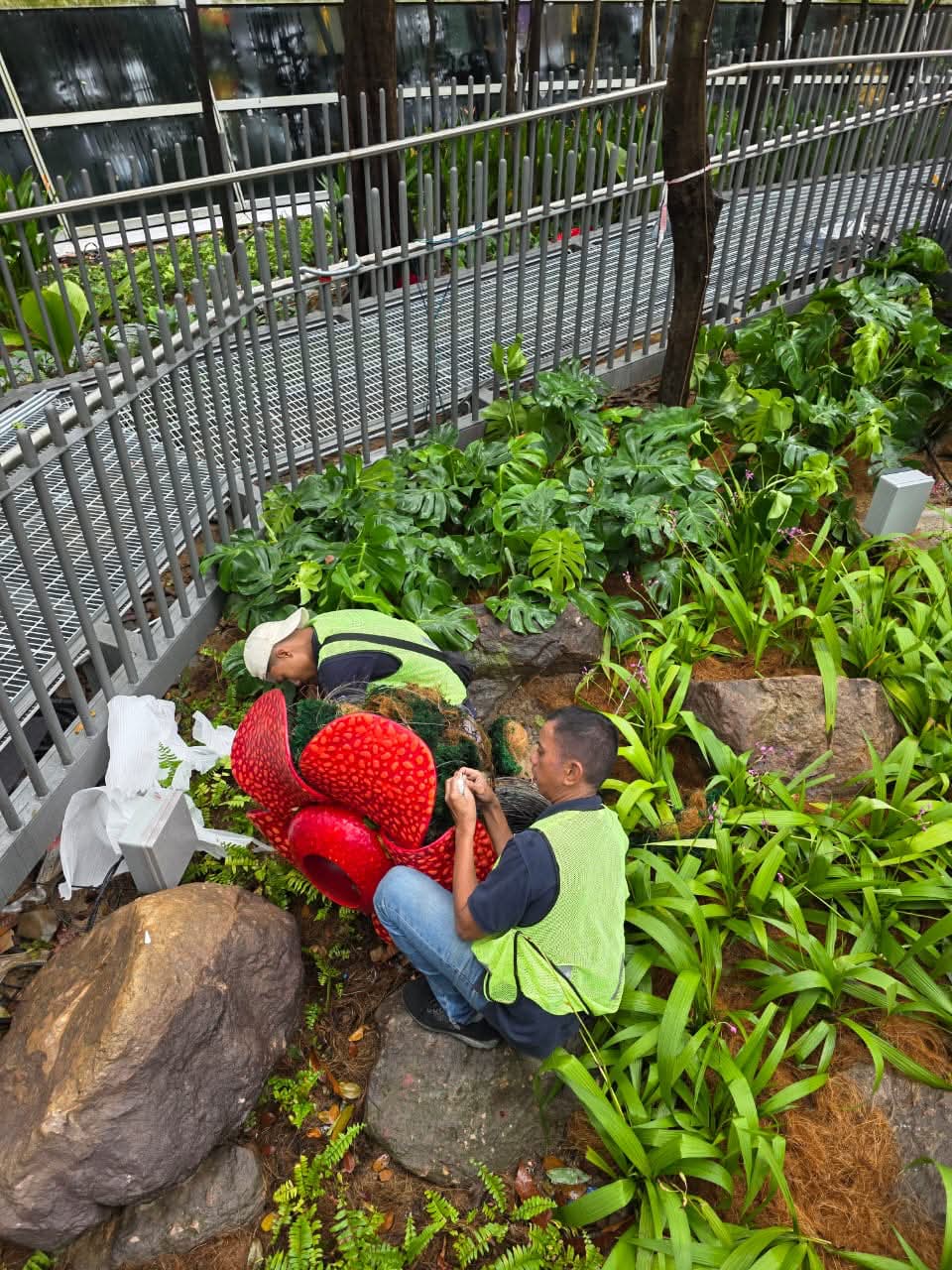
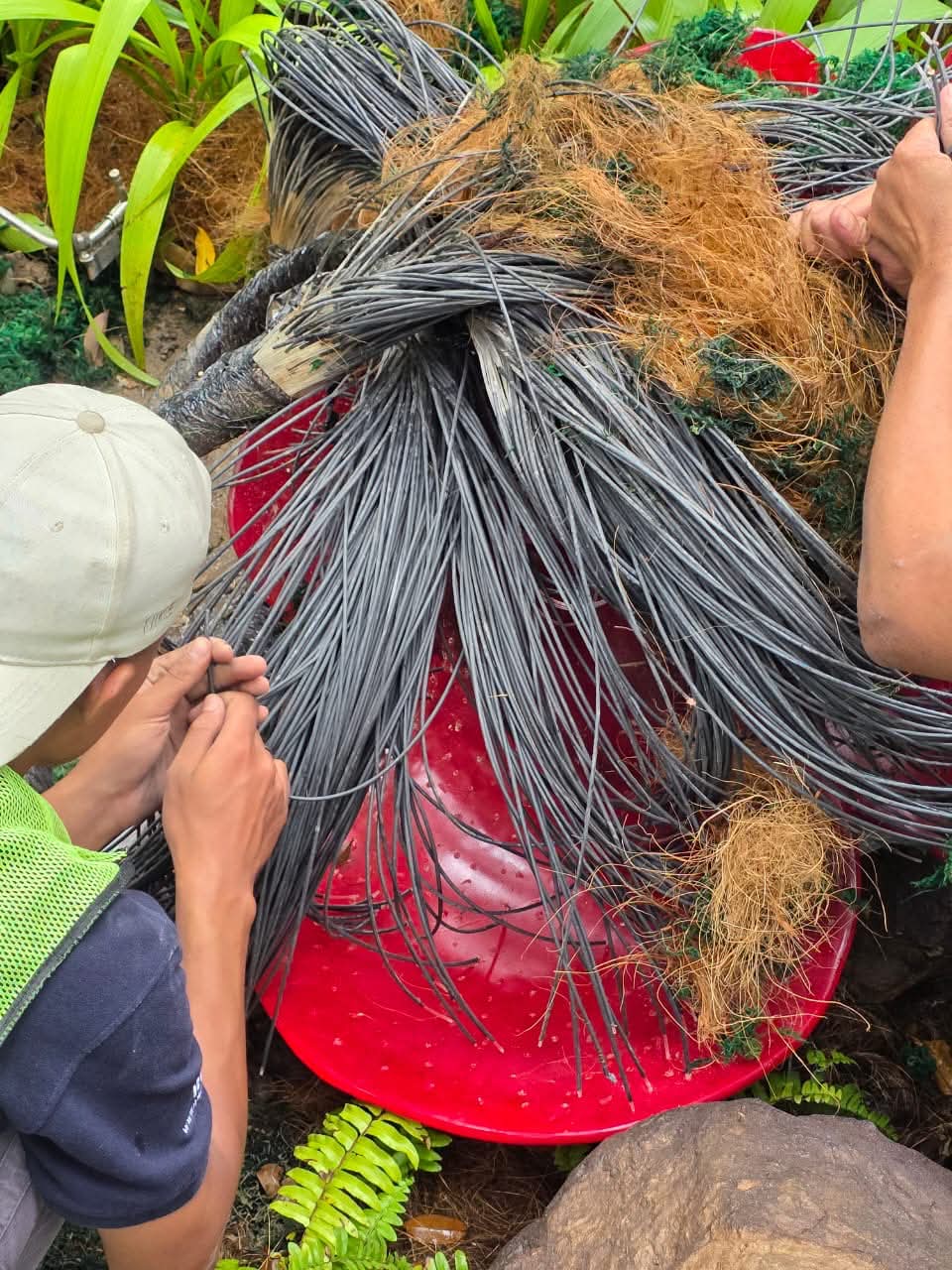
When asked about the black wires seen in the display, the team explained that they were fibre optic cables, which are water-resistant and UV-resistant.
Netizens defend the local creators
After the explanation was posted, many netizens came forward to defend the team and praise their work.
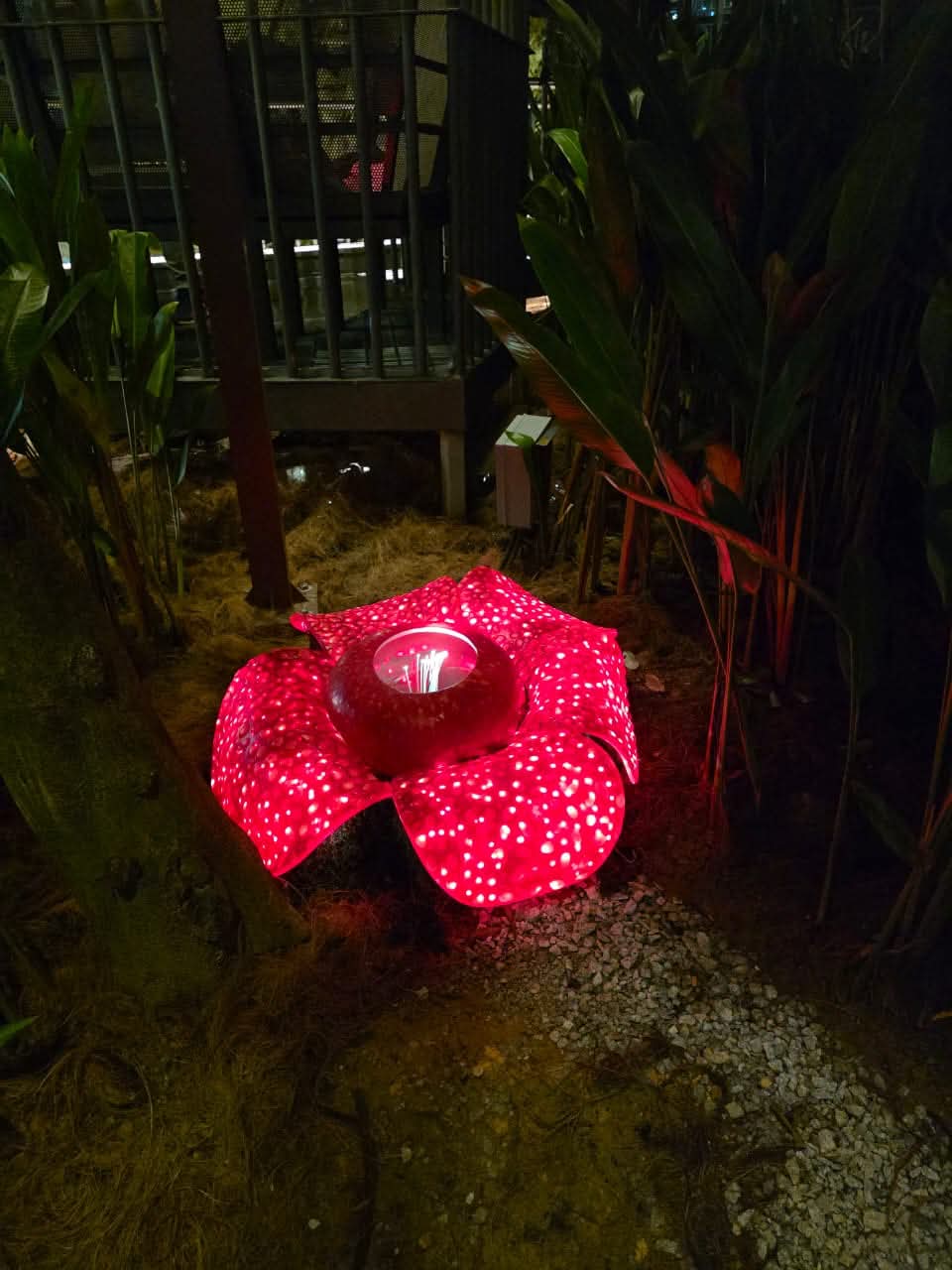
Some said the word “fake” was unfair, as the display was clearly an artistic installation rather than an attempt to imitate real wildlife.
One commenter said people simply did not know the proper term, while another praised the team for their beautiful work.
Another user wrote that instead of calling it “fake”, the original video could have used the word “replica”, especially since the work was done by local talents.
Several others also said they were proud to see Malaysian-made artwork being featured at KLIA1.
‘This is Malaysian craft and creativity’
RPLD later said the team was proud to have contributed to RIMBA KLIA1.
“Fake? Nah. This is Malaysian craft and creativity,” the representative wrote.
They also said feedback and suggestions were welcomed, as long as they were given constructively.
The team later added that RPLD is a full lighting company that also works on chandeliers, shop ambience lighting, and event lighting.
View on Threads