


A Malaysian financial consultant recently shared a real case of a high-income client who was rejected for a loan, despite earning over RM20,000 a month.
In a Threads post, she revealed that the client had a basic salary of RM21,000, but still failed to qualify due to poor financial discipline and high debt commitments.
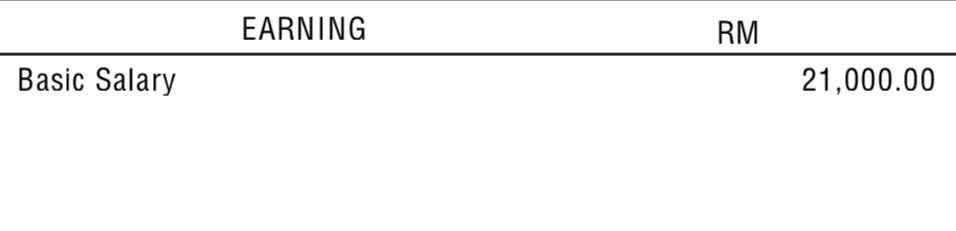
Net income drops significantly after deductions
According to the consultant, the client’s take-home pay after EPF, SOCSO, and tax deductions was around RM14,000.
While the salary may seem high on paper, his monthly commitments were already substantial.
He was reportedly paying about RM7,000 monthly for existing house and car loans, excluding other debts like credit cards.

DSR shot up once credit card debt was included
The issue became more serious when banks calculated his Debt Service Ratio (DSR).
Even before factoring in his credit card debt of RM20,000, his DSR had already reached 60%.
Once included, his DSR increased further, making him ineligible for new financing.
The consultant explained that although he initially qualified for a loan of up to RM400,000, he was advised to reduce his credit card utilisation below 70% to improve his credit score.

Situation worsened due to poor repayment behaviour
Despite receiving a bonus and agreeing to clear part of his credit card debt, the client did not follow through.
When he returned months later for another assessment after a salary increment, his financial situation had deteriorated further.
A check on his CTOS report revealed multiple red flags, including:
- Late payments on housing and car loans
- Credit card payments missing every month
- Personal loan repayments being inconsistent
The consultant described his repayment behaviour as “bad payment”, making it difficult for any bank to approve his application.
The consultant emphasised that banks do not only look at how much a person earns. Instead, they place greater importance on repayment behaviour and consistency.
She noted that even individuals earning five-figure or six-figure salaries may still face rejection if they fail to manage their commitments responsibly.
‘Big salary doesn’t mean you’re safe’
The post quickly gained traction online, with many netizens sharing their thoughts.
Some questioned the high tax deductions, while others pointed out that poor financial habits can outweigh a high income.

Others also highlighted that banks mainly track repayment history, not just salary figures.
One user summed it up by saying, “Besar periuk, besarlah keraknya”, implying that higher income often comes with higher expenses.
What is DSR and why it matters
The consultant also explained how DSR is calculated:
DSR = (Total monthly commitments ÷ Net income) × 100
For example:
- Net income: RM3,000
- Commitments: RM1,200
- DSR = 40%
In general, banks prefer a DSR below 70%, as a lower percentage indicates better financial health and repayment ability.
While earning a high salary may seem like an advantage, it does not guarantee loan approval.
In the eyes of banks, consistent repayment behaviour and manageable debt matter far more than income alone.