

Exclusive Story by WeirdKaya - Proper accreditation to WeirdKaya and consent from the interviewee are required.
For most people in their 20s, life is usually about chasing independence, building careers, planning the future, and figuring out who they want to become.
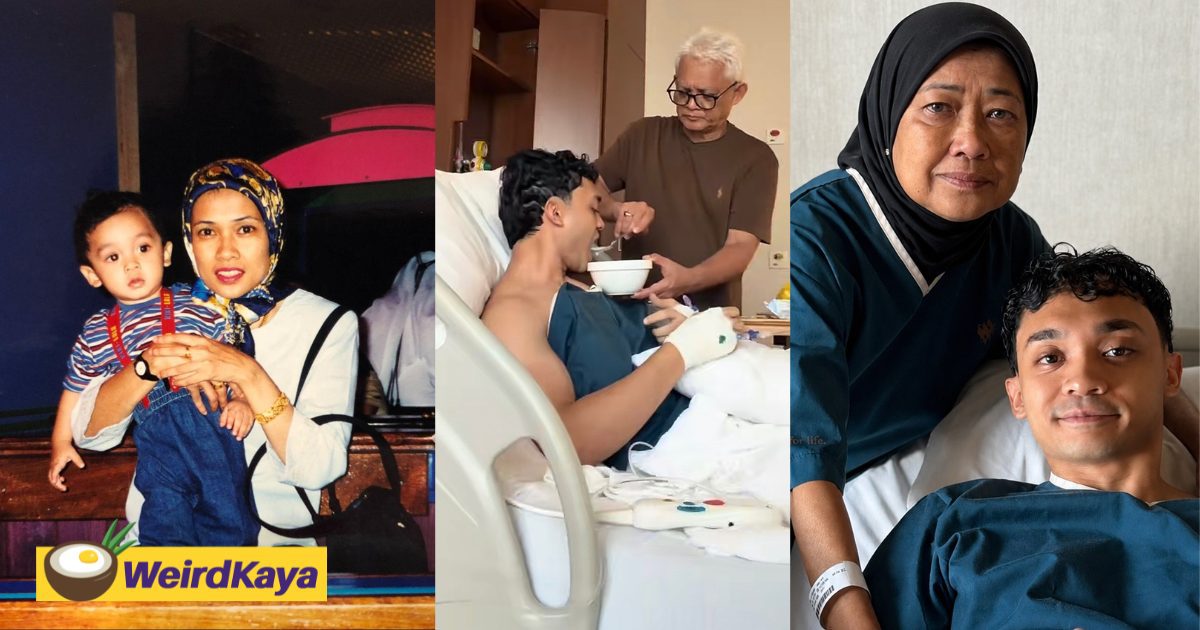
But for 25-year-old content creator Hariz Zulfa Mustafa, there was one thought that quietly stayed in the back of his mind throughout all those years: one day, he might have to save his mother’s life.
Earlier this year, Hariz underwent kidney donation surgery to donate one of his kidneys to his mother after watching her endure dialysis treatments for the past 15 years. What began as a deeply personal family decision would later touch millions online after he shared snippets of the emotional journey on TikTok.
But behind the viral video and heartfelt comments was a much heavier story filled with fear, emotional exhaustion, quiet determination, and a son trying to come to terms with one life-changing decision.
‘I thought about donating my kidney since I was a teen’
When Hariz uploaded the now-viral TikTok video from his hospital bed, he wasn’t thinking about achieving views or virality at all.
At the time, he had only recently undergone surgery and was still processing everything physically and emotionally.
As someone who regularly creates content online, documenting moments came naturally to him. But this video felt different from anything he had ever posted before.
Instead of entertainment, Hariz found himself wanting to document the emotional weight behind the journey while also bringing awareness to organ donation, something he realised many young Malaysians rarely talk about openly.
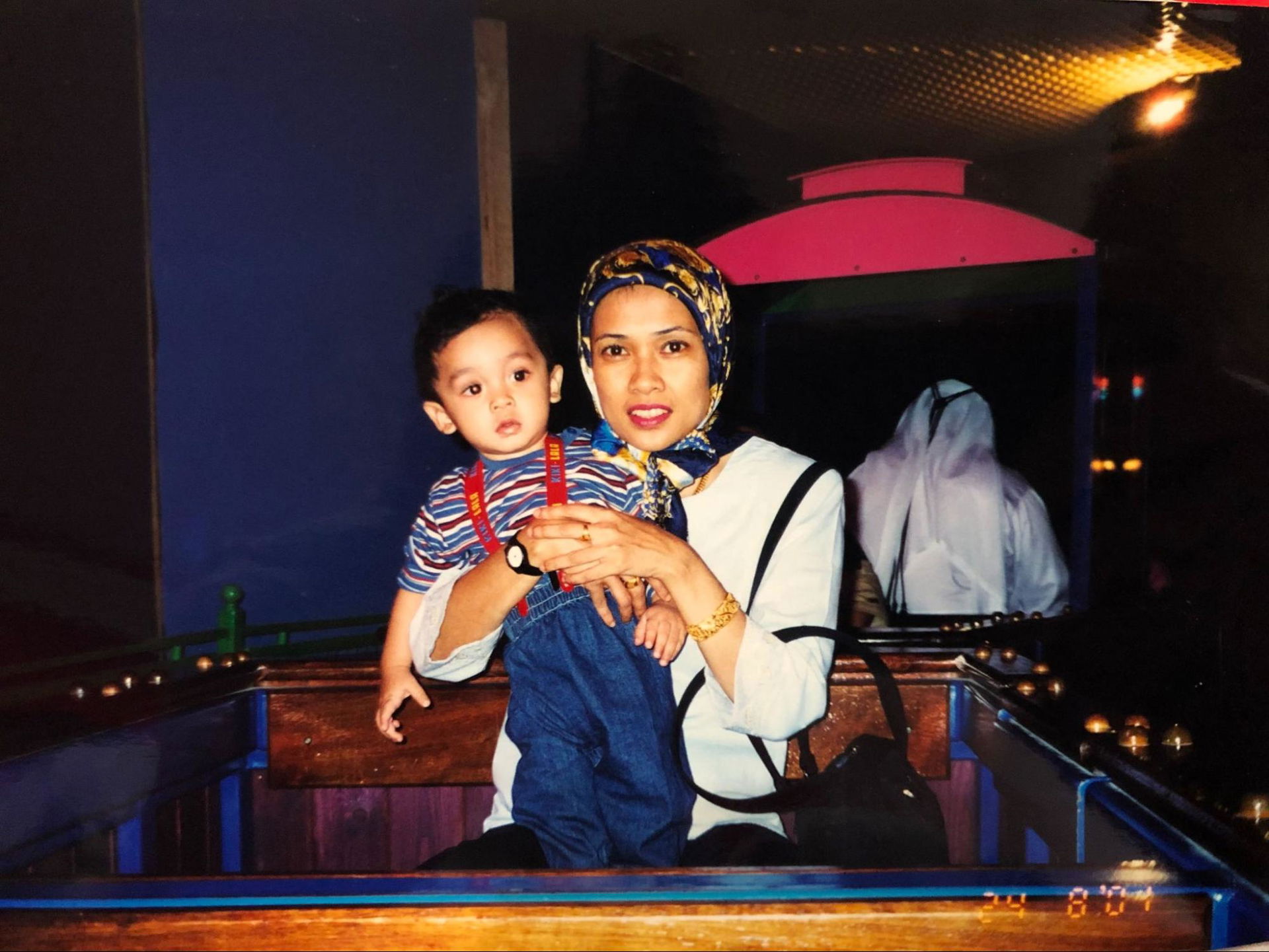
Before posting the video, Hariz spent time revisiting months’ worth of footage from doctor visits, recovery moments, and quiet family interactions.
As he looked through those clips and watched both himself and his mother recover side by side, he suddenly felt the urge to finally share the vulnerability behind it all.
But the decision itself did not happen overnight.
The thought of donating my kidney had already existed since I was in my teenage years. Back then however, it felt too overwhelming and unrealistic to even imagine actually going through with it,” he said.
‘No point if my mum’s not there to witness it’
One line from Hariz’s video especially resonated with viewers online: “In your 20s, there will be an opportunity to give your mum a second chance.”
When asked whether that statement was something he truly believed or simply an emotional reflection in the moment, Hariz admitted it started off as something deeply personal before slowly becoming a belief he now carries strongly.
He explained that people in their 20s are often focused on building their own future, whether through careers, ambitions, or personal goals.
But somewhere along the way, he found himself asking a painful question: What was the point of building this life if my mom wouldn’t be there to see it?
“Instead of seeing my youth as something to protect for myself, I began seeing it as the exact reason why I should do this now.
This is because I realised being in my 20s is the healthiest and strongest years of my life physically, making it the best possible time to help the woman who had spent her entire life raising me.”
What years of watching your mum have dialysis does to you
For Hariz, kidney disease was never just a “medical condition” happening in the background. In fact, it was what shaped his family’s life for over a decade.
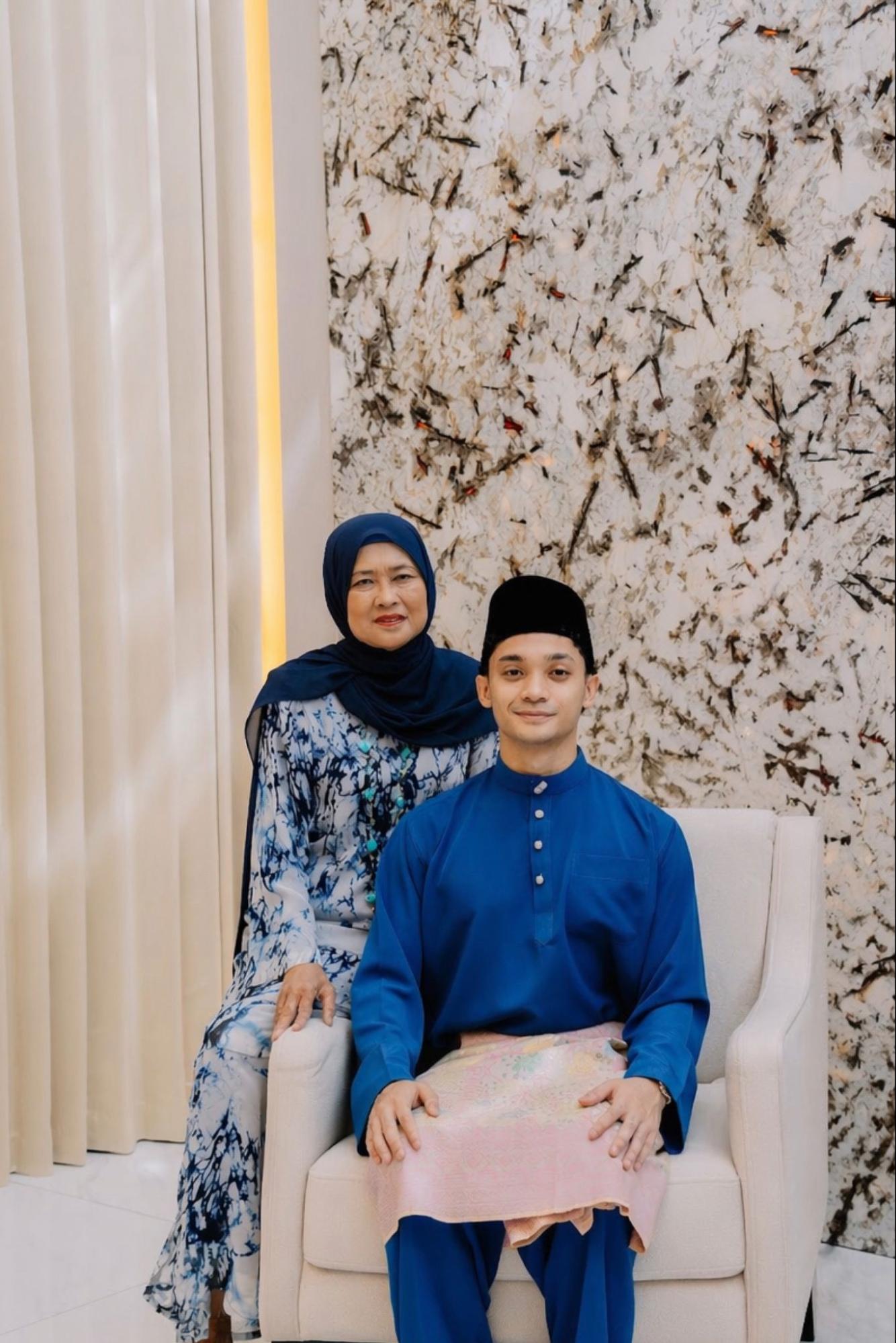
His mother had been undergoing dialysis treatments for 15 years, something that slowly became part of their normal routine.
But while the treatments kept her alive, watching someone you love spend years attached to machines leaves a lasting emotional impact.
After his mother experienced a serious health scare last year, Hariz realised he could no longer afford to delay anymore.
“I realised that I couldn’t wait much longer and had to act on it before it would be too late.
“Shortly after graduating with my Master’s degree in Melbourne last August, I returned to Malaysia and officially informed both my family and close friends that I intended to proceed with becoming a kidney donor.”
While many people only think about the surgery itself, Hariz explained that the months leading up to it were already exhausting emotionally, mentally, and physically.
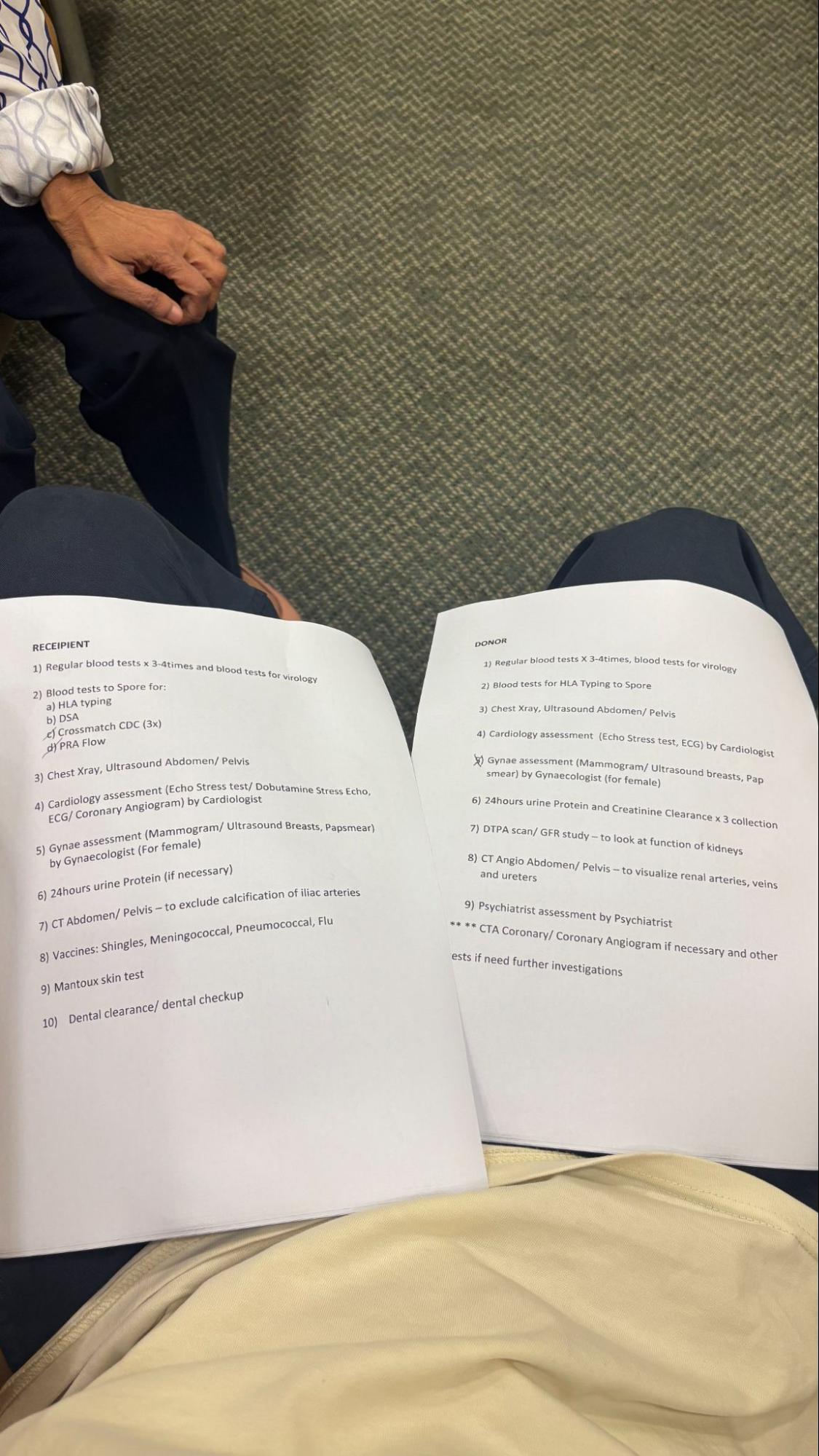
“The process began with detailed consultations with doctors and nephrology specialists, who walked both me and my mother through every possible risk, procedure, and outcome.
“Over several months, I underwent frequent blood and urine tests, compatibility screenings, overall health assessments, and eventually psychological evaluations to determine whether I was medically and mentally fit to become a donor,” he recounted.
The transplant surgery eventually took place on April 11, at Prince Court Medical Centre. But emotionally, the hardest part was the uncertainty.
You’re always on edge waiting for results. Every appointment came with another fear. Would my mum and I still be compatible? Will the surgery get delayed? Will complications suddenly appear? You’re constantly hoping everything goes smoothly until the very end.”
“It’s a heavy but quiet fear”
Despite appearing calm publicly, Hariz admitted there were many moments leading up to surgery where fear quietly followed him around.
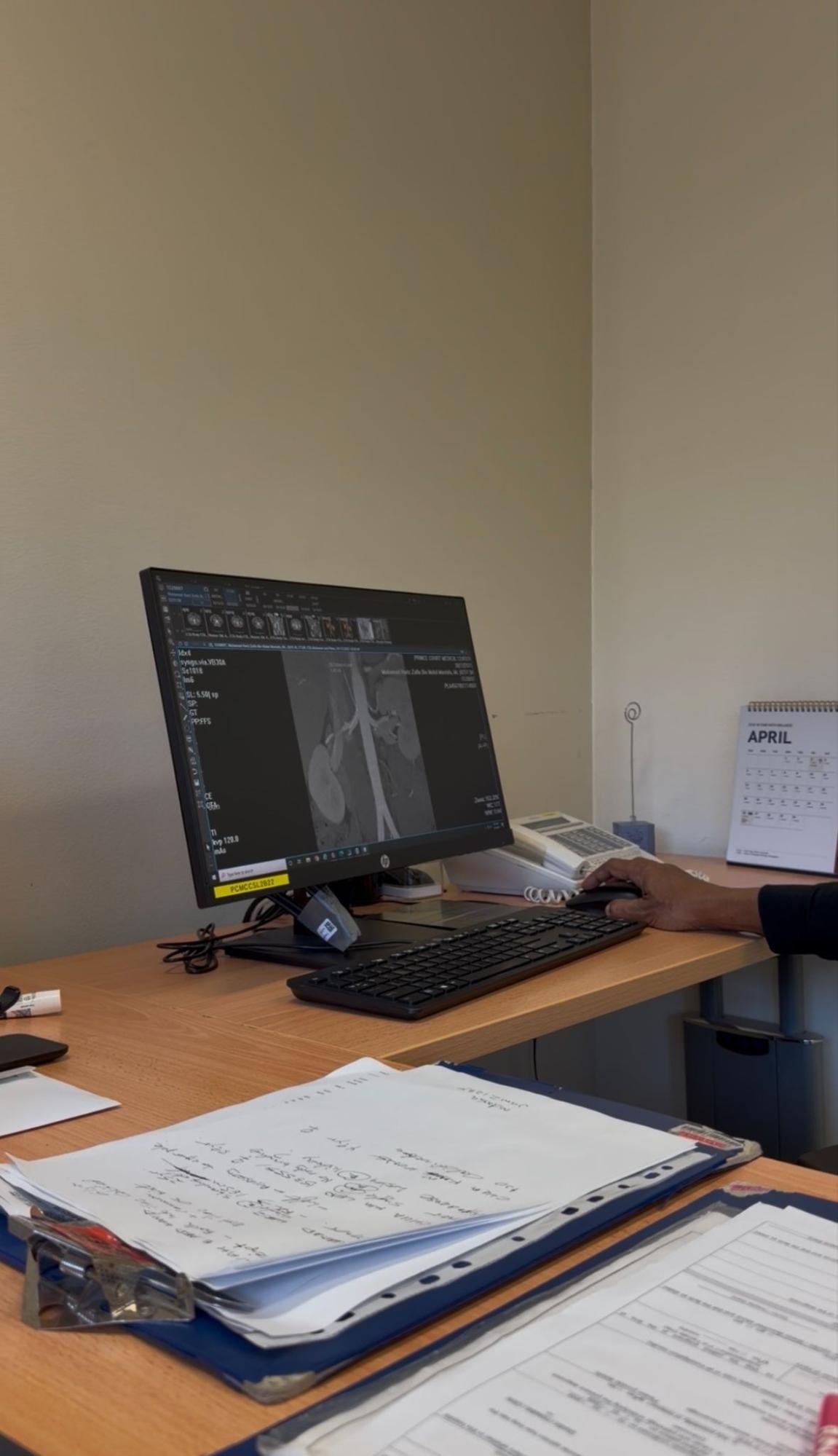
It’s a constant feeling of ‘what if’. Still, I chose not to openly burden those around me with those fears because I knew my mother and family were already carrying enough emotional stress themselves.”
As the surgery date got closer, the emotional pressure became heavier. But every time Hariz looked at his mother still trying to live her life despite years of dialysis, the doubts disappeared.
“At no point throughout this journey did I feel like I was ever going to back out of this.
Whenever fear or doubt surfaced, I would think about everything my mother had endured over the last 15 years and tell myself that I needed to stay strong for both of us.”
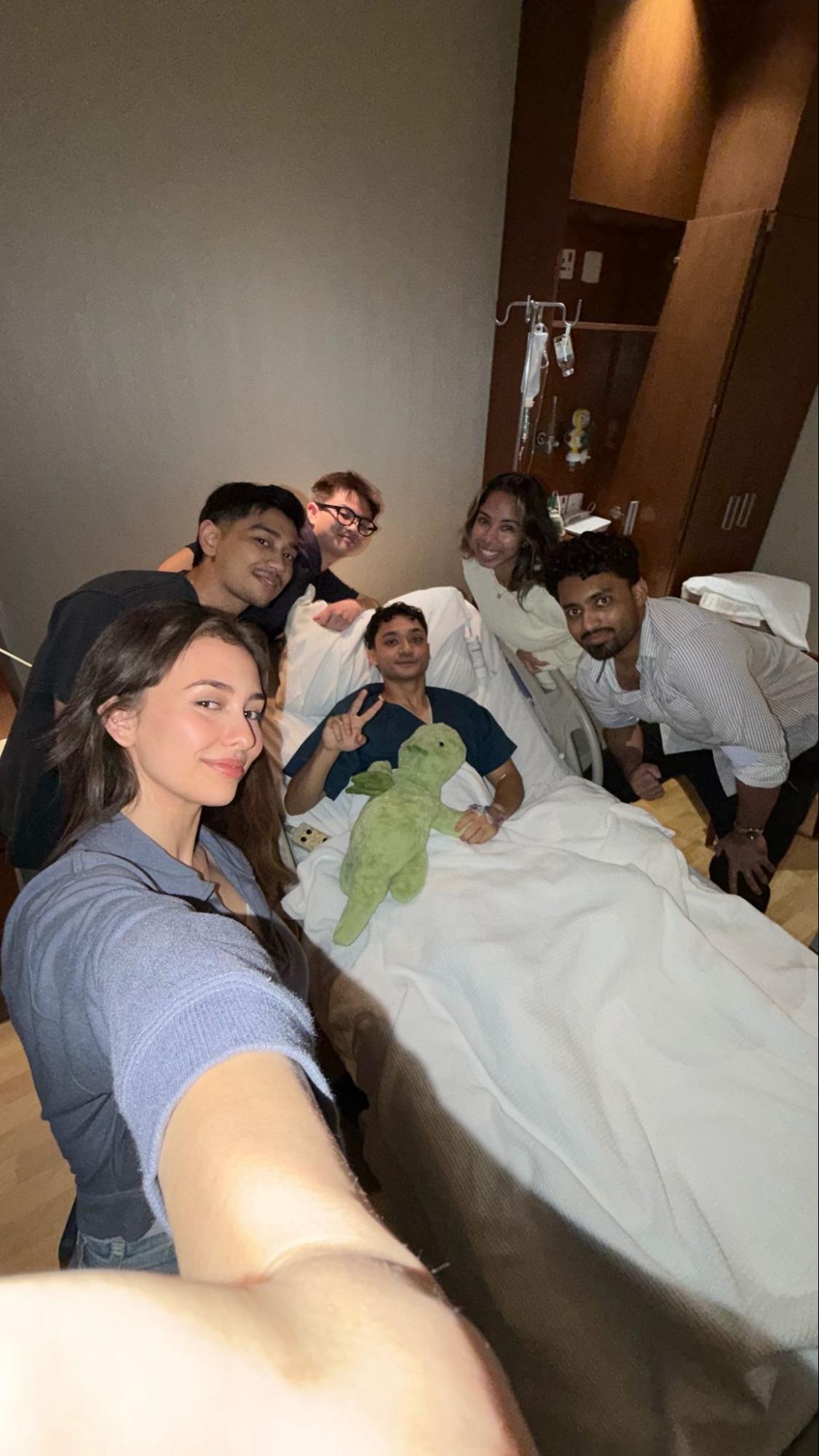
“At the same time, going to the gym regularly, maintaining an active social life, and staying disciplined with healthy habits helped me to avoid spiralling mentally during the long waiting period.”
On the day of the surgery, Hariz said he unexpectedly felt calm.By that point, he had passed every test and felt like everything had unfolded exactly the way it was meant to.
As anesthesia was being administered, his final thoughts were simple: he prayed both he and his mother would wake up safely to a completely new chapter of their lives together.
‘There’s life in her eyes again’
When Hariz regained consciousness after the surgery, he did not ask the nurses about his pain levels or his own condition.
Instead, his first thought immediately went to his mother’s wellbeing and condition as he wanted to ensure his kidney was working well for her.
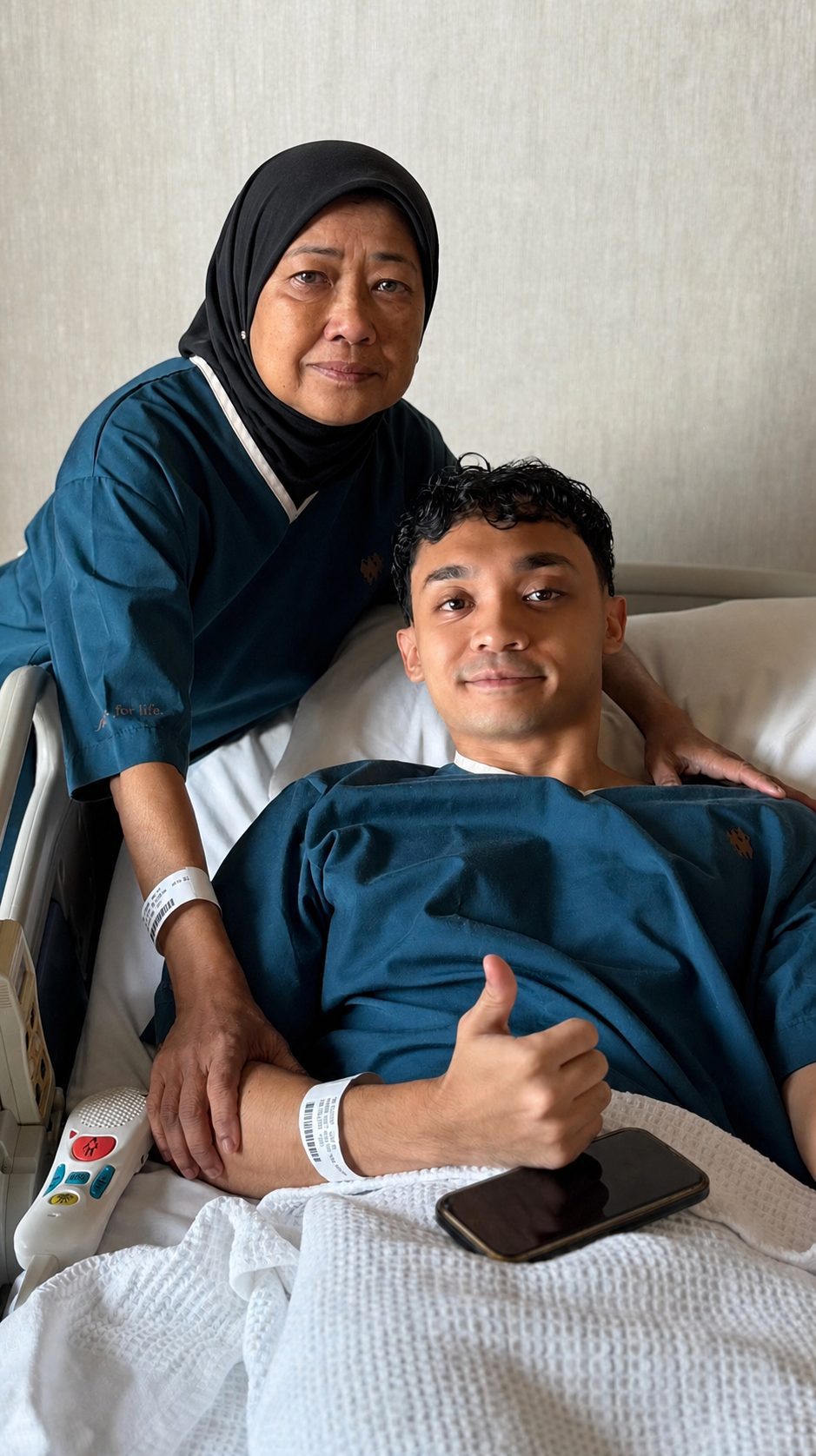
Today, both Hariz and his mother are recovering well. Ironically, he joked that his mother’s physical recovery has actually been smoother than his as donors often experience more painful side effects.
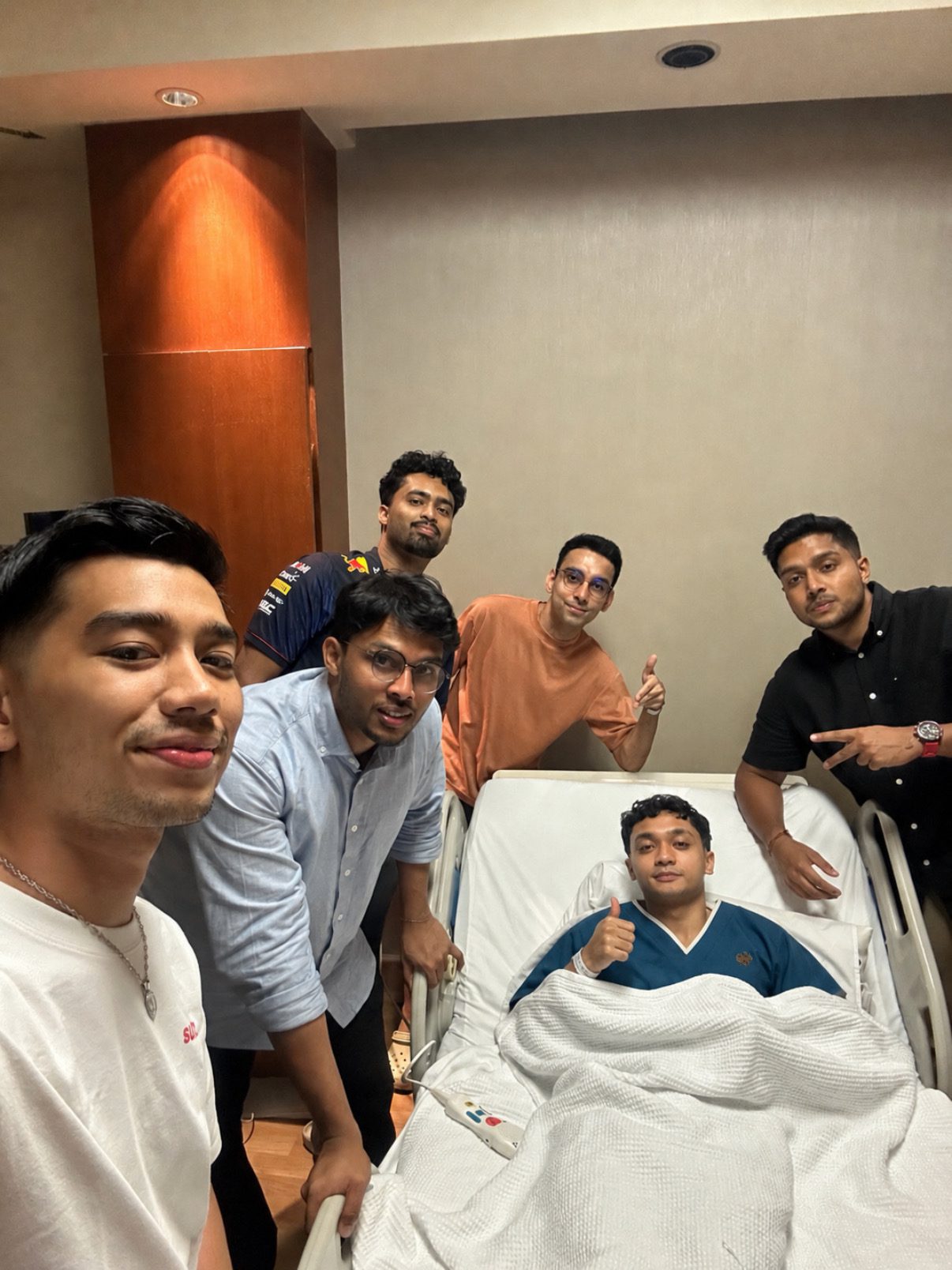
But for Hariz, the biggest reward is not physical recovery but seeing the visible difference in his mother’s energy, spirit, and happiness.
“The difference in her energy levels and seeing life coming back in her eyes again is a feeling I can’t even describe,” he shared.
Looking back now, Hariz believes the entire experience has changed how he views sacrifice, fear, and purpose. And if there’s one thing he hopes others understand about organ donation, it’s that fear is normal.
I want people to know that it’s okay to feel scared. But don’t let that fear overpower the possibility that you can save someone’s life.”
For Hariz, donating his kidney was never about losing something. Instead, he sees it as gaining something far more meaningful, that is more time with his mother.
Exclusive Story by WeirdKaya – If you wish to reproduce this story, please ensure that you obtain consent from the interviewee to maintain factual accuracy and avoid the potential spread of misleading information.

If referencing or using any information from our story, we kindly ask that proper credit is given, along with a backlink to WeirdKaya, as acknowledgment of the efforts made by our editors in sourcing and conducting interviews.