
Every salary, commute & tax position is different, so run your own numbers before making any career decision.
A RM700 gross gap is never a RM700 gap
Statutory deductions scale with your salary, so a chunk of that RM700 was never mine to begin with.
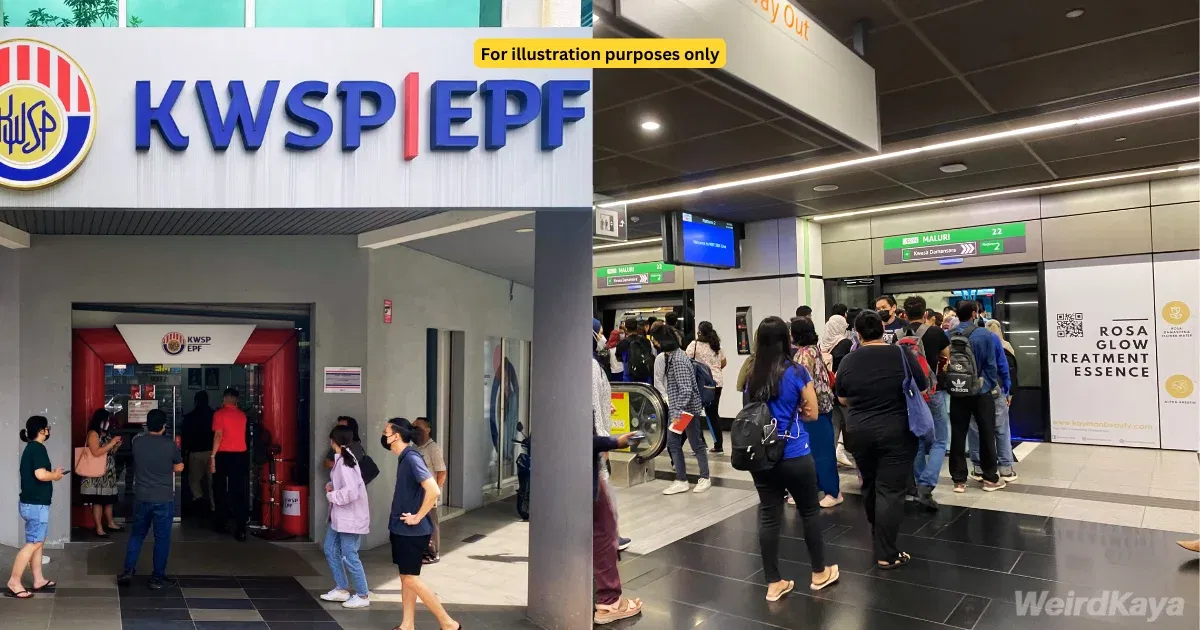
EPF takes 11% from the employee side, SOCSO takes roughly 0.5%, EIS takes 0.2%, & then there is monthly tax deduction on top.
At RM4,500 my net pay landed around RM3,860.45. At RM3,800 it landed around RM3,316.90. That is a real gap of roughly RM543.55, not RM700.
About RM156.45 of the “loss” was money that was going to EPF, SOCSO, EIS or LHDN regardless.
The RM400 tax rebate nobody mentions
Malaysia’s resident tax bands run 1% on chargeable income from RM5,001 to RM20,000, 3% from RM20,001 to RM35,000, then jump to 6% from RM35,001 to RM50,000.
LHDN’s own table works cumulatively, so the first RM35,000 of chargeable income comes to exactly RM600 in tax. On top of that, anyone with chargeable income of RM35,000 or below gets a RM400 rebate taken straight off the tax bill.
At RM4,500 a month my annual income was RM54,000. After the RM9,000 individual relief & RM4,000 EPF relief, chargeable income was RM41,000. That is RM600 for the first RM35,000, plus 6% on the remaining RM6,000, which is another RM360.
Annual tax is RM960, with no rebate because I was over the line.

At RM3,800 a month my annual income was RM45,600. Same reliefs, so chargeable income dropped to RM32,600. That is RM150 for the first RM20,000, plus 3% on the remaining RM12,600, which is RM378.
Tax before rebate was RM528, then the RM400 rebate applied, leaving RM128 for the year.
RM960 a year versus RM128 a year. A RM832 annual difference on a RM8,400 gross pay cut.
Roughly 10% of the cut came straight back as tax I no longer owed.
My salary increased, but so did my expenses
The RM4,500 job was five days in a KL city centre office, 35km round trip. At roughly 770km a month & about 10km per litre, that is 77 litres. RON95 under BUDI95 sits at RM1.99 a litre for Malaysians, so fuel was around RM153.
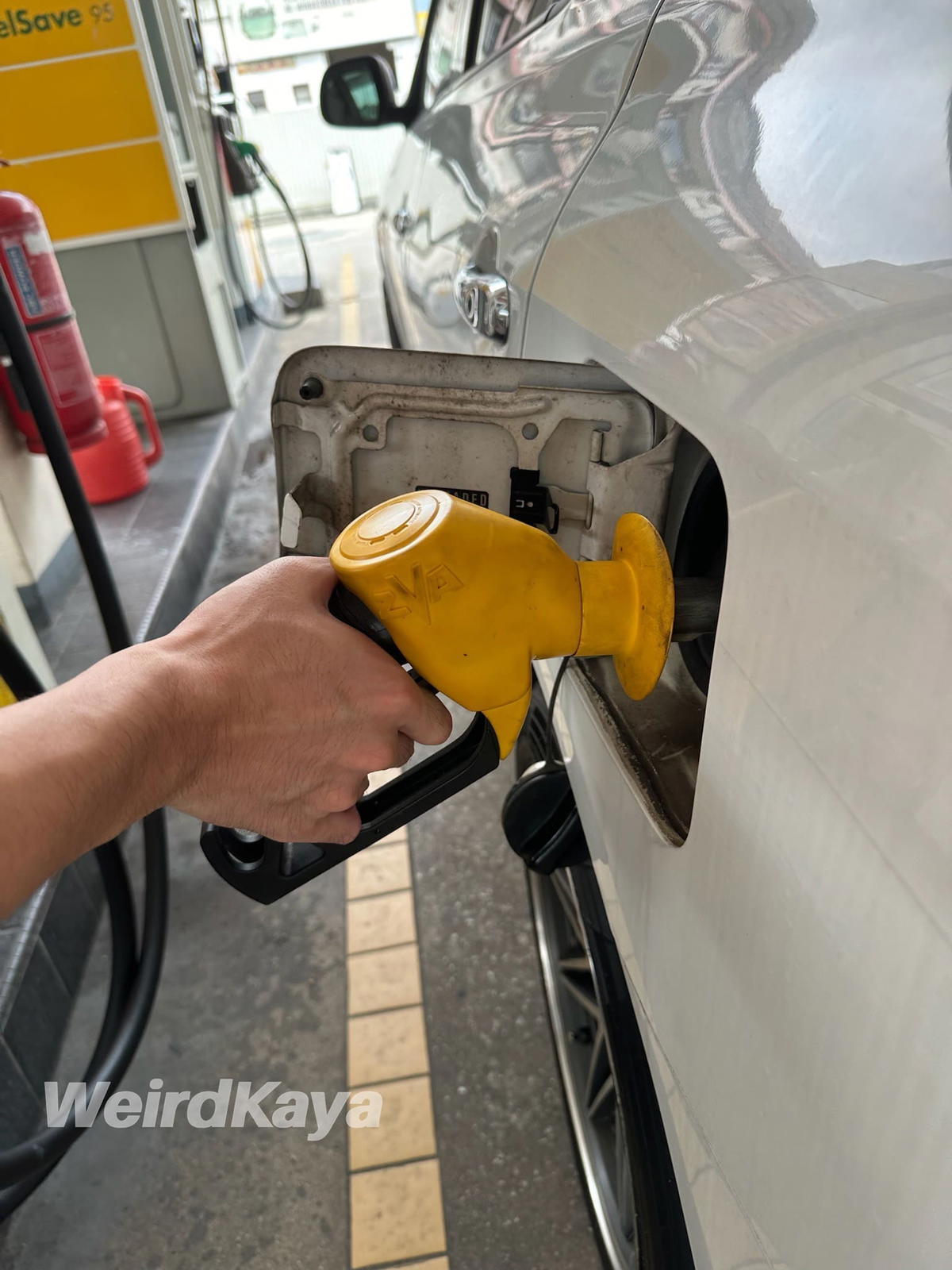
Add roughly RM220 in tolls & a RM250 season parking bay, & the commute cost about RM620 a month before any servicing, tyres or wear and tear.
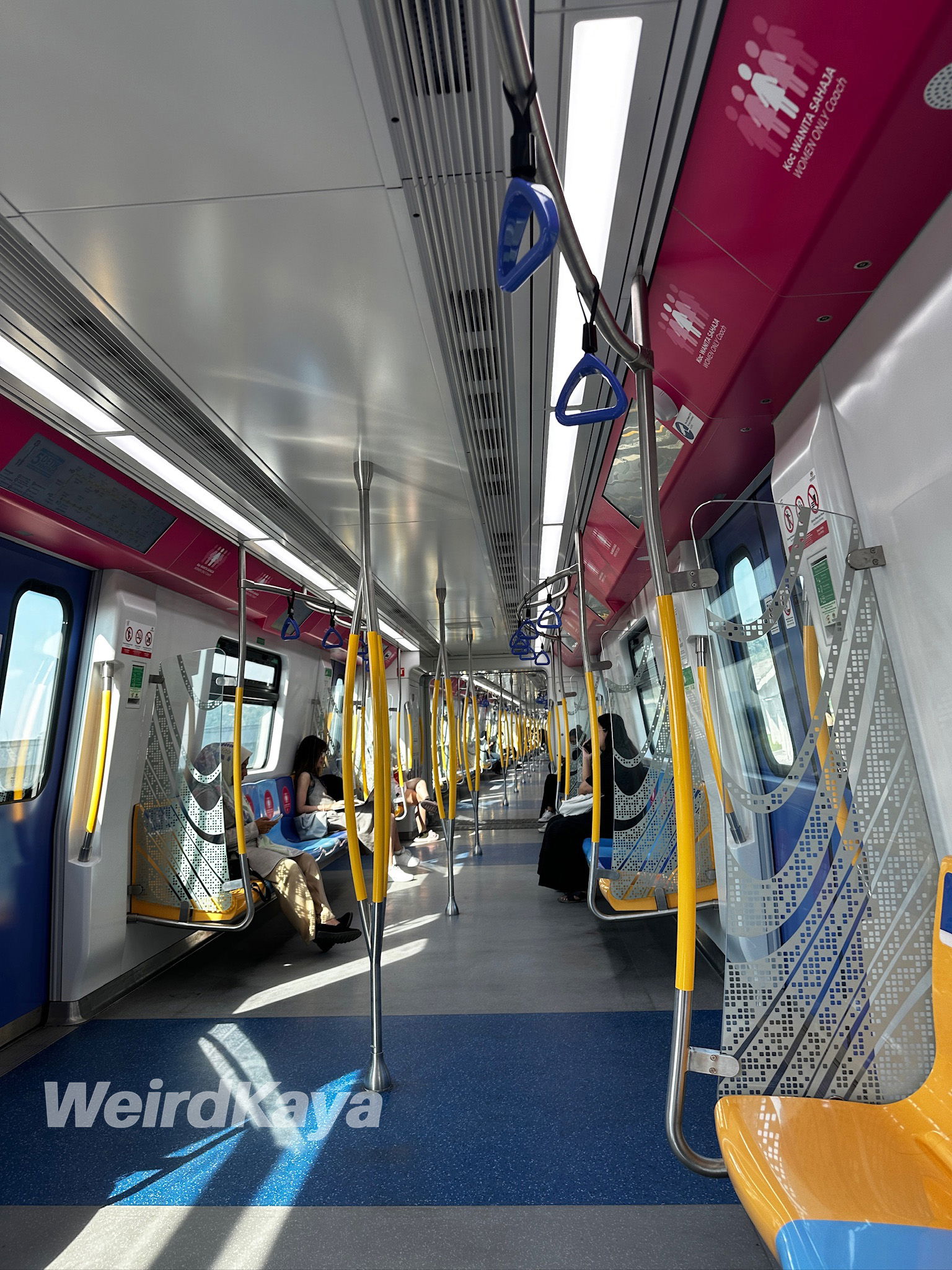
The RM3,800 job is hybrid, two days in an office next to an MRT station. The My50 pass gives unlimited Rapid KL rail & bus for RM50 a month & stayed at RM50 through the January 2026 price revision.
EPF’s own Belanjawanku 2024/2025 guide puts the same principle in national numbers:
- A car owner needs about RM2,800 a month
- A single adult in the Klang Valley using public transport needs about RM1,970 a month
That RM830 gap is the price of driving, & it does not care what your job title is.
The full monthly comparison
| Line item | RM4,500 job | RM3,800 job |
|---|---|---|
| Gross monthly salary | RM4,500 | RM3,800 |
| EPF employee 11% | -RM495 | -RM418 |
| SOCSO + EIS (approx) | -RM31.15 | -RM26.25 |
| Income tax, monthly average | -RM80.05 | -RM10.70 |
| Net pay | RM3,860.45 | RM3,316.90 |
| Commute: fuel, toll, parking | -RM620 | -RM50 |
| Other commitments | -RM350 | -RM230 |
| Money actually left over | RM2,890.45 | RM3,036.90 |
Figures are rounded & assume only the RM9,000 individual relief plus RM4,000 EPF relief. Your commute, tax reliefs & benefits will differ.
My EPF took a hit
Both salaries sit at or below RM5,000, the employer rate is 13% in both cases, so total contributions dropped from RM1,080 a month to RM912. That is RM168 less going into EPF every month, or RM2,016 a year.
EPF declared 6.15% for 2025, following 6.30% for 2024. If that gap ran for three years & compounded until 55 at similar rates, I would be giving up roughly RM32,000 in retirement money.
If the gap never closed at all, the number runs well past RM160,000.
This is why the trajectory matters more than the number. Aon’s study of over 700 Southeast Asian organisations projects Malaysian salaries rising about 4.8% in 2026, & Randstad’s 2026 outlook found most workers expecting single-digit increments from their current employer.

Meanwhile the Michael Page Malaysia Salary Guide 2026 notes candidates in shortage areas asking for 30% to 40% when they change jobs. Staying put pays 5%. Moving well pays 20% or more. One good move closes a RM700 gap entirely.
When you should not accept a lower salary
You have fixed repayments
Car loans, PTPTN & credit card minimums do not shrink with your salary. A cut turns a comfortable ratio into a dangerous one overnight.
It drops you below your baseline
Belanjawanku 2024/2025 puts a single Klang Valley adult at RM1,970 a month on public transport & RM2,800 with a car. Below that, you are not budgeting, you are surviving.
There is no medical coverage
A standalone medical card runs roughly RM42 to RM150 a month at ages 18 to 35, & premiums rise with age. Losing group cover can wipe out the entire gain.
You are running from, not running to
If the only thing the new job offers is that it is not the old job, you will be back on the market in eight months with a lower salary anchor.
Six things to consider before you accept
1. Calculate net, not gross
Strip out EPF, SOCSO, EIS & tax on both offers. The real gap is almost always smaller than the headline gap.
2. Check where your chargeable income lands
Crossing below RM35,000 chargeable income triggers the RM400 rebate. Crossing above RM35,000 puts you into the 6% band.
3. Price the commute honestly
Fuel at RM1.99 a litre under BUDI95, plus tolls, parking, servicing & depreciation. Compare against a RM50 My50 pass.
4. Ask for the benefits schedule in writing
Medical card annual limit, outpatient cover, annual leave days, EPF employer rate & whether overtime is paid. Verbal promises are not terms.
5. Build the emergency fund first
Three to six months of expenses before you take a cut, not after. A cut with no buffer is a gamble, not a plan.
If a lower salary leaves you with more money, more hours & a clearer route to the next role, that is not a step backwards. If it does not, no amount of work life balance talk is going to patch a hole in your budget.