

If you have been meaning to explore more of Malaysia, 2026 is actually a great year to do it and get rewarded on your taxes while you are at it.
As part of Belanjawan MADANI 2026, Prime Minister Datuk Seri Anwar Ibrahim announced a special individual income tax relief of up to RM1,000 for domestic tourism spending, tied to Visit Malaysia Year 2026.
The government has set a target of attracting 47 million visitors and generating RM329 billion in tourism revenue this year and this relief is their way of getting Malaysians to explore home first.
Here is everything you need to know before you book that trip.
First things first: What even is a tax relief

A tax relief is NOT RM1,000 cash back in your pocket. It is an amount deducted from your chargeable income before your tax rate kicks in.
So if your chargeable income is RM60,000 and you claim RM1,000 under this relief, LHDN taxes you on RM59,000 instead. The actual ringgit savings depend on your tax bracket but every bit of relief helps lower the final amount you owe.
What expenses qualify?
The relief covers two main categories:
1. Entrance fees to local tourist attractions, including:

- Theme parks and water parks (Sunway Lagoon, Legoland Malaysia, Genting SkyWorlds, Lost World of Tambun, Wet World)
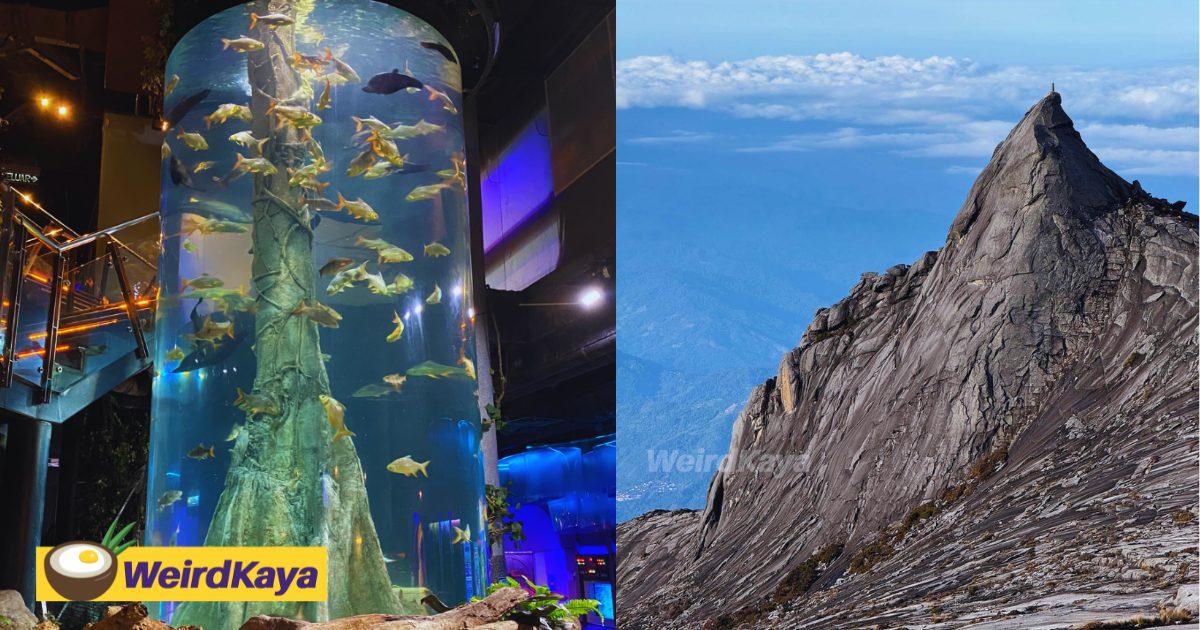
- National parks and forest reserves (Taman Negara, Endau-Rompin, Gunung Mulu, Kinabalu Park)
- Marine parks and wildlife parks
- Zoos and aquariums (Zoo Negara, Aquaria KLCC, state-level zoos)
- Museums, art galleries, and heritage sites (Muzium Negara, Penang Peranakan Mansion, Istana Seni)
- Geoparks
2. Art and cultural programmes, including:

- Ticketed performances and cultural festivals
- Hands-on workshops (Batik, traditional dance, handicrafts, People’s Theatre)
- Paid arts events featuring local culture
What does NOT qualify?

This is where a lot of people get tripped up especially since a similar relief existed during Covid-19 years (2020–2022) that was much broader.
The 2026 version is more specific. These are NOT claimable:
- Hotel stays and accommodation
- Flights and transport costs
- Meals and food expenses
- Shopping
- Overseas holidays (domestic travel only)
- Tour packages (previously claimable during Covid years, but not this time)
The relief sits specifically at the point where you pay to enter somewhere or pay to experience something culturally Malaysian. Keep that line clear, and you will be fine.
Who can claim it?
Any individual taxpayer in Malaysia with taxable income who makes qualifying purchases within Assessment Year 2026.
This includes salaried employees, freelancers, and self-employed individuals who are tax residents in the country.
How do you claim it? Step by step:
Step 1: Spend on qualifying activities throughout 2026
Keep every official receipt or proof of payment. Do not rely on booking confirmations alone, LHDN wants the actual receipt.
Step 2: Store your documents safely
Hold on to all receipts and supporting documents for at least seven years. LHDN can request proof at any point, even after you have filed.
Step 3: File via MyTax in early 2027
When e-Filing opens for Assessment Year 2026 (around March 2027), log in at mytax.hasil.gov.my, and declare your qualifying tourism expenses under the relief section.
Tips to maximise your RM1,000
- Spread it out across the year — a national park visit here, a museum there, a cultural festival in between. You do not have to hit RM1,000 in one trip.
- Each taxpayer claims separately — if you and your spouse both paid admission individually, you can each claim up to RM1,000.
- Keep the physical or digital receipt, not just a screenshot of the booking page.
- Check if the event is ticketed — free entry attractions, even cultural ones, would not have a claimable receipt.
Quick summary
| Relief amount | Up to RM1,000 |
| Assessment year | 2026 (file in early 2027) |
| What’s covered | Entrance fees + cultural programme fees |
| What’s NOT covered | Hotels, flights, food, overseas travel |
| Where to claim | mytax.hasil.gov.my |
| Documents needed | Official receipts, proof of payment |
| Keep receipts for | At least 7 years |