

If your company gives you a “panel clinic” card and calls it a day, you might be under the impression you’re fully covered health-wise.
Spoiler: you’re probably not, and the gap between “I can see a doctor for free” and “I can survive a major medical bill” is bigger than most working Malaysians realise.
Here’s what panel clinics actually cover, where they fall short, and whether you genuinely need your own private insurance on top.
What a panel clinic actually is
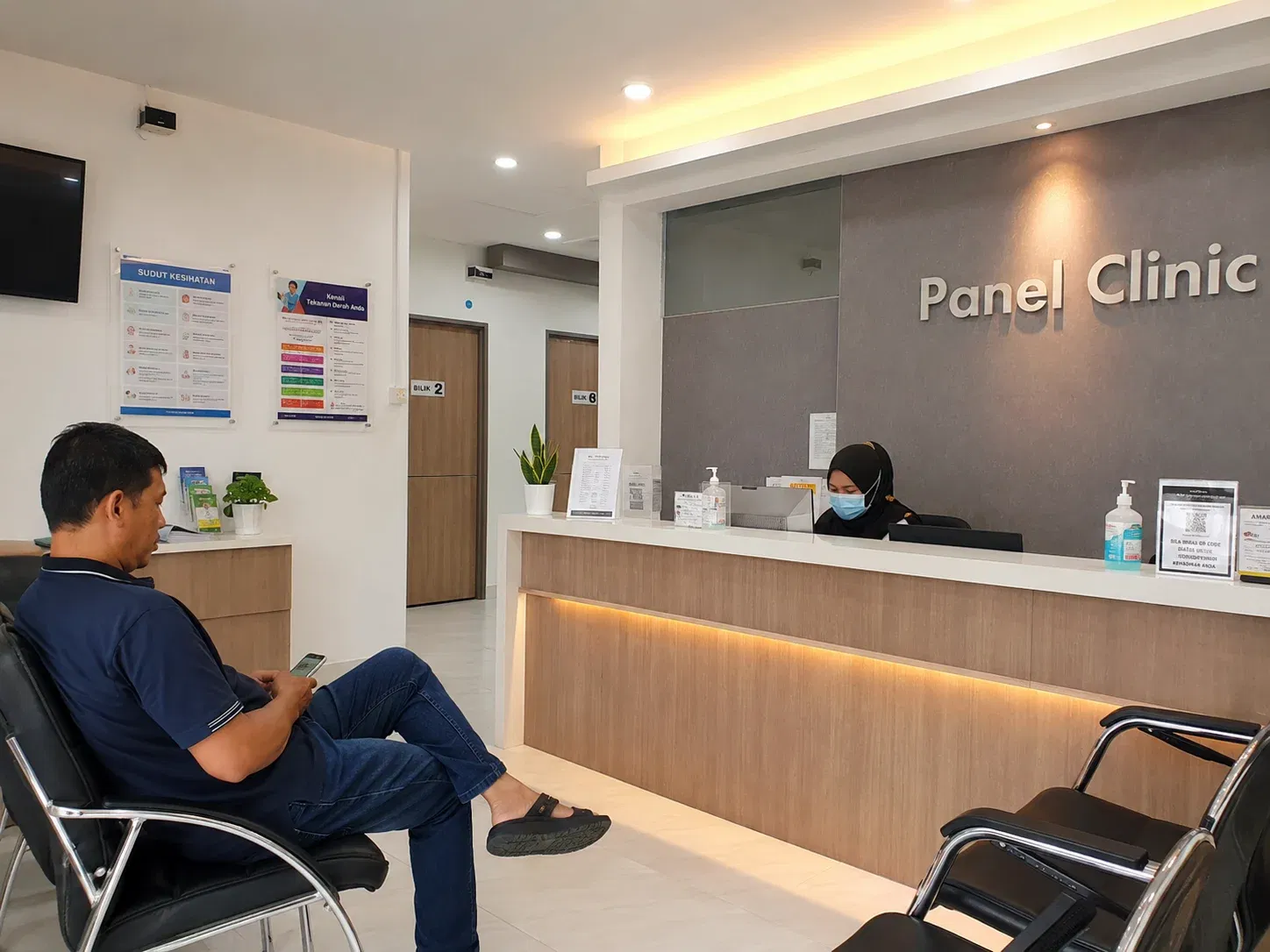
A panel clinic is simply a private GP clinic that’s been approved to treat you under a scheme funded by a third party, in this case, your employer so you don’t pay the full cost out of pocket.
You walk in, flash your staff ID or a letter of guarantee, get seen for a cough, fever, minor injury, or general check-up, and walk out without paying (or paying very little).
It’s genuinely useful for the everyday stuff: flu, minor infections, medical certificates (MCs) for sick leave, basic follow-ups. But that’s largely where it stops.
Basic panel clinic benefits usually do not cover hospitalisation
This is the part that catches people off guard.

Most basic employer panel benefits are mainly meant for outpatient GP treatment. Unless your company provides separate specialist, hospitalisation and surgical benefits, the panel clinic arrangement alone will usually not cover admission, surgery or major treatment.
If you need to be admitted to a hospital, see a specialist, or undergo any kind of procedure, your panel clinic card usually won’t help you there at all.
And the costs at that level are no joke.
None of that gets touched by a standard panel clinic arrangement.
But doesn’t my company also give me “medical insurance”?
This depends heavily on your employer, and it’s genuinely worth checking rather than assuming.
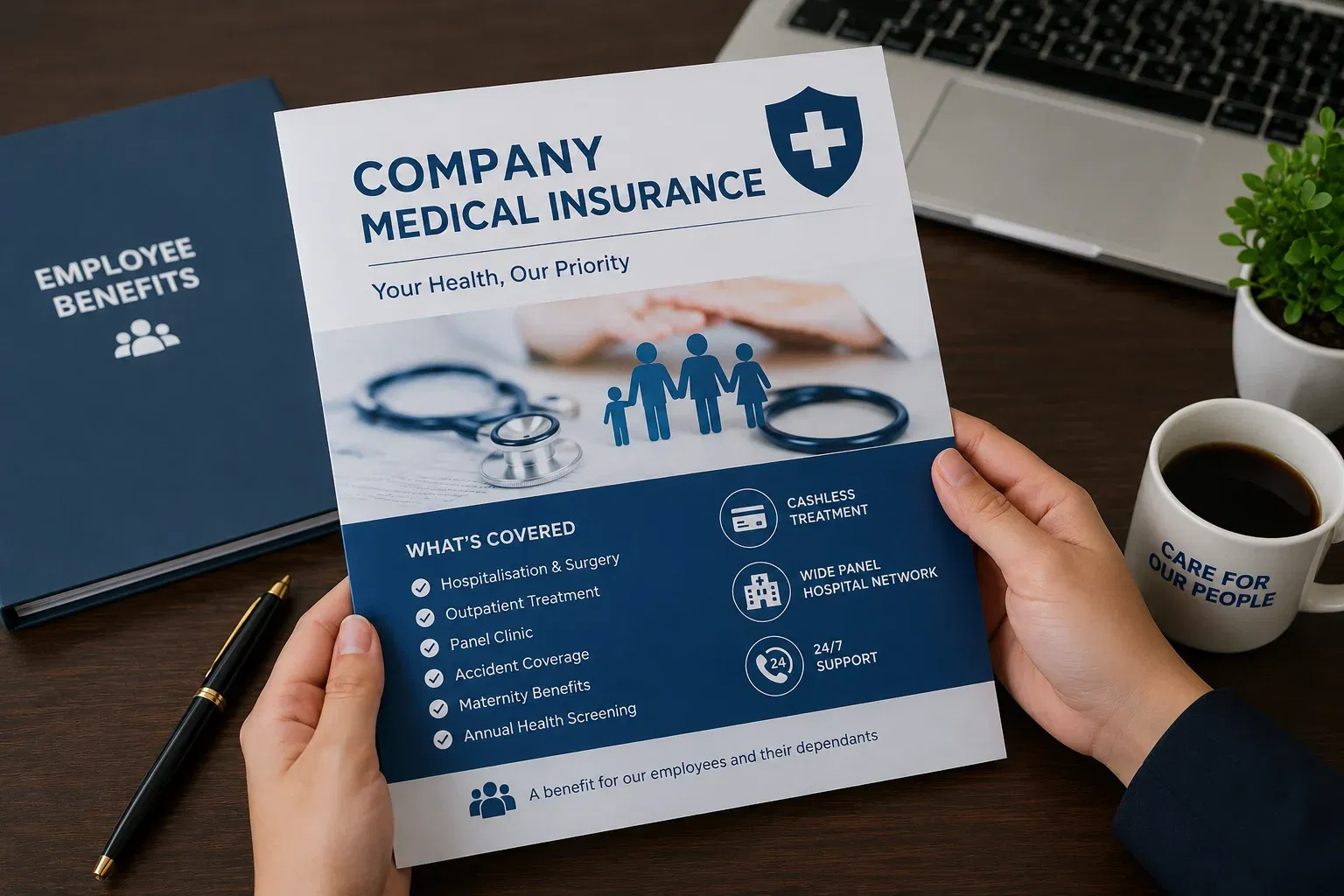
Some companies bundle panel clinic access with a separate group hospitalisation and surgical insurance plan (often shortened to “group H&S”) that does cover inpatient care. Others only provide the outpatient panel clinic benefit and nothing more.
Even when group insurance is provided, it comes with real limitations.
If you’re an employee, you may have company medical insurance, but it will typically come with coverage limits — meaning if your treatment costs exceed your policy’s annual or per-illness cap, you’re responsible for the difference.
And nationally, less than 50% of Malaysian workers actually have group coverage at all, leaving a large chunk of the workforce exposed if serious illness strikes.
The other catch: employer coverage disappears the moment you leave your job
Even a solid group insurance plan is tied entirely to your employment.
Resign, get retrenched, or switch jobs, and that coverage typically ends immediately, there’s usually no continuation once you’re off the payroll.
If you’re mid-treatment for something serious at that point, or simply between jobs, you could suddenly find yourself with zero coverage until your new employer’s plan kicks in (which often comes with its own waiting period).
So… do you actually need your own private insurance?
For most working adults, the honest answer is yes, at least as a supplement; not necessarily a full replacement, but a safety net your company’s benefits don’t provide.
Here’s the reasoning:
- Panel clinics don’t cover hospitalisation, so if you’re ever admitted, you’re relying entirely on your own medical card or personal savings.
- Company group insurance, even where it exists, may have caps that don’t stretch far enough for serious conditions like cancer or major surgery.
- Your coverage vanishes the day you leave your job, while a personal medical card stays with you regardless of employer.
- Medical inflation is accelerating — private healthcare costs rose around 15% in 2025 alone, which means even a “sufficient” plan today may not stretch as far in a few years.
A more standardised option called MediAsas is coming
Malaysians will also have another option to consider soon.
The government, Bank Negara Malaysia and industry players are developing MediAsas, a standardised base medical and health insurance and takaful plan.
The voluntary plan is intended to provide essential coverage for treatment at private hospitals while complementing, rather than replacing, Malaysia’s public healthcare system.
A pilot programme involving six insurers and takaful operators is scheduled to take place in the Klang Valley from the end of July until October 2026.
Nationwide implementation is targeted for January 2027.
The Finance Ministry said indicative monthly premiums are expected to range from around RM60 to RM550 for people entering the plan up to age 70. Final prices will only be confirmed before the nationwide rollout.
The basic plan is expected to have an annual coverage limit of RM100,000. Bank Negara Malaysia said its analysis found that this amount would have covered 99% of hospital bills for common medical conditions in the claims data studied.
The government also plans to expand EPF’s i Lindung platform so members can use savings from Akaun Sejahtera to subscribe to approved basic medical insurance or takaful plans. Further implementation details are expected to be announced separately.
Check your benefits before assuming you are covered
A panel clinic is useful for everyday medical needs, but it should not be mistaken for complete medical protection.
Check with your human resources department to find out whether you also have hospitalisation and surgical coverage, how high the annual limit is and what treatments are excluded.
If the coverage is limited, you can then decide whether a personal medical plan, additional savings or reliance on public healthcare best suits your needs and budget.
The most important thing is not to wait until you are sitting in a hospital admission room to find out what your company card actually covers.