


A black stool can mean nothing at all, or it can be the body’s first warning sign of life-threatening internal bleeding from the upper gastrointestinal (GI) tract.
The difference, according to Dr Quek Yeow Ling, Consultant General Surgeon at Oriental Melaka Straits Medical Centre, comes down to colour, texture, smell and what else is happening to the body.

Certain foods such as seaweed, black sesame and blueberries, as well as iron tablets, can make stools look darker.
“But bleeding is more likely if stools are jet black, sticky and tar-like, extremely foul-smelling, and accompanied by dizziness, weakness or vomiting blood,” he said.
Upper GI bleeding, from the oesophagus, stomach or duodenum, is a medical emergency. Severe blood loss can trigger a drop in blood pressure, shock and death if not treated in time.
A 2025 study published in Cureus tracked 293 adults treated for upper GI bleeding at Hospital Canselor Tuanku Muhriz in Kuala Lumpur.
Of those, 18.4 per cent required intensive care, 7.8 per cent experienced rebleeding, and 4.8 per cent died in hospital, with most patients aged 70 and above.
Vomiting blood, whether bright red or resembling coffee grounds, is another warning sign. So are sudden dizziness, fainting, a racing heartbeat, shortness of breath, cold and clammy skin and upper abdominal pain.
If you are unsure, it is safer to get checked at a clinic or emergency department rather than assume it is due to food or supplements,” Dr Quek said.
Stomach and duodenal ulcers are the most common cause. Gastritis, Mallory-Weiss tears from severe vomiting, oesophageal varices linked to liver disease, long-term painkiller use and H. pylori infection are also known triggers.
Oesophageal or stomach cancer, though less common, can also be responsible.
People on long-term painkillers, aspirin or blood thinners are among those most at risk. So are heavy drinkers, smokers, older patients and those on multiple medications. A history of ulcers, liver disease or untreated H. pylori infection also raises the risk.
Do not wait at home or try to self-medicate. Go straight to the nearest emergency department, especially if there is vomiting of blood, black tarry stools, or dizziness and weakness,” Dr Quek warned.
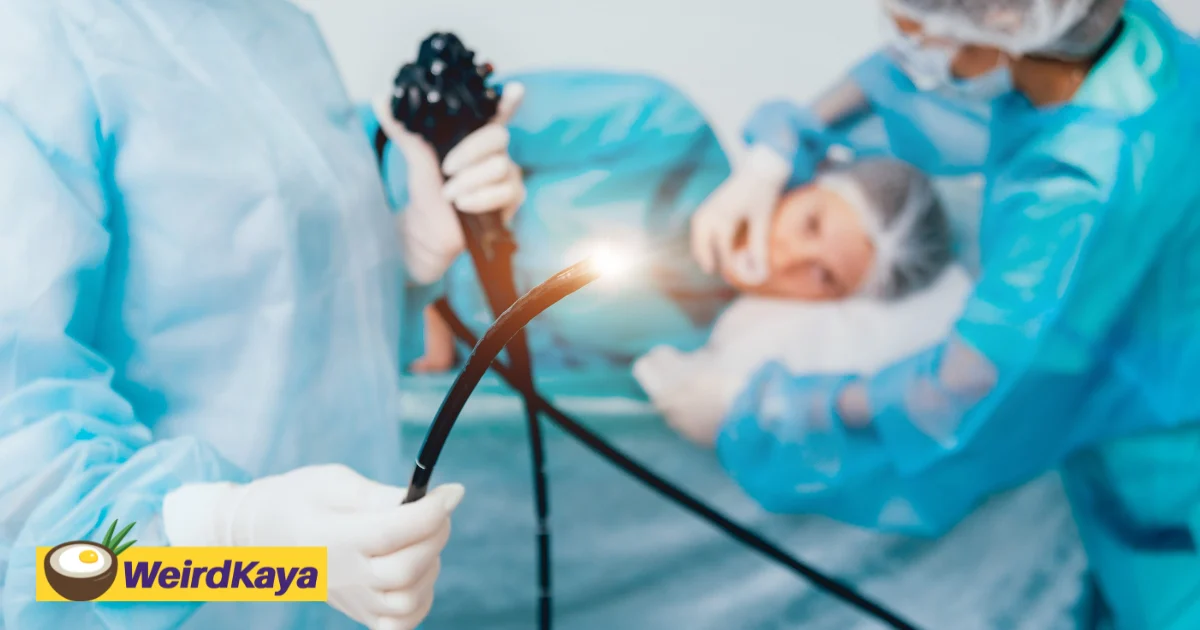
At the hospital, doctors check vital signs and run blood tests to assess blood loss and stability. The main diagnostic tool is an upper GI endoscopy, or OGDS.
A thin, flexible camera is passed through the mouth to locate the source of bleeding. In many cases, it can be stopped during the same procedure using clips, injections or heat.

Treatment may include intravenous fluids and blood transfusions, acid-reducing medications such as proton pump inhibitors, drugs to reduce vein pressure for liver disease patients and radiology procedures to seal off bleeding vessels.
With advances in endoscopy and radiology, most patients no longer need surgery.
Surgery is considered only when other methods fail, when severe rebleeding persists or when complications such as a perforated ulcer or certain tumours arise.
Dr Quek advises using painkillers only when necessary and taking stomach-protecting medication if on long-term aspirin or blood thinners.
Those with a history of ulcers or persistent indigestion should get tested for H. pylori. Cutting back on alcohol, quitting smoking and keeping chronic conditions in check can also lower the risk.
Upper abdominal pain, black stools, blood in vomit or unexplained fatigue should not be ignored, he said, adding that early recognition and prompt treatment of upper GI bleeding can save lives.
Read more: