

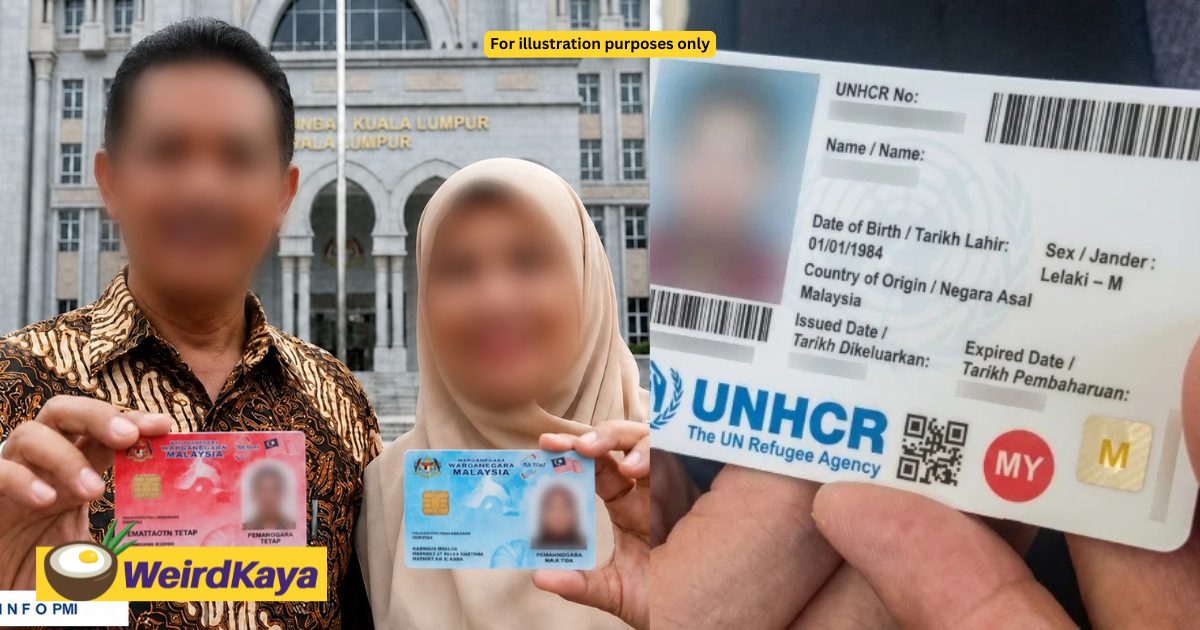
Recently, discussions about the Rohingya community in Malaysia have once again become a hot topic on social media.
Along with that, many Malaysians have also started talking about different types of documents and statuses such as the blue identity card, red identity card, UNHCR card, and PATI.
However, while these terms are often mentioned together online, they do not mean the same thing.
From a legal and immigration point of view, each one carries a very different status in Malaysia.
Some refer to Malaysian citizenship, some refer to permanent residence, some are linked to refugee protection, while others involve immigration offences.
So, what exactly is the difference?
Here’s a simple breakdown.
1. Blue IC, or MyKad
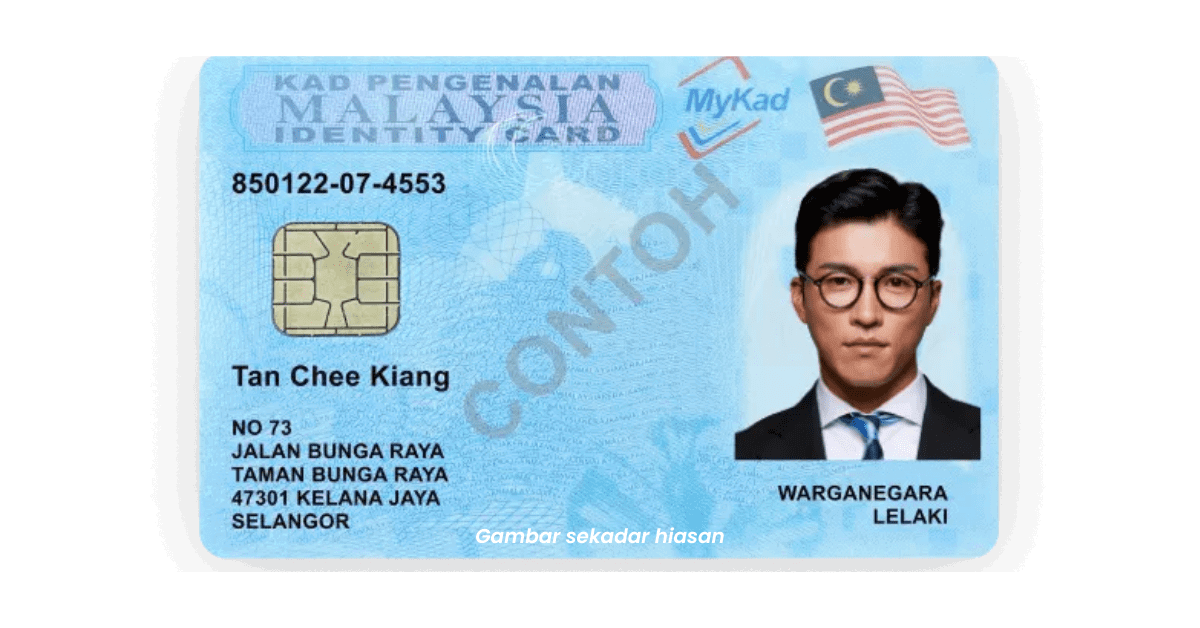
What it means: Malaysian citizen
The blue identity card, commonly known as MyKad, is the official identity card issued to Malaysian citizens by the National Registration Department.
It is the main identity document for Malaysians and is required for citizens aged 12 and above.
In simple terms, if someone holds a valid blue MyKad, the person is recognised as a Malaysian citizen.
What MyKad holders generally have:
- Malaysian citizenship
- Access to public facilities
- Access to public education and healthcare
- Rights and responsibilities as Malaysian citizens under the law
- Eligibility for official matters involving citizenship, such as applying for a Malaysian passport
MyKad is also widely used in daily life, including for banking, government services, voting eligibility when one reaches the required age, and other identity verification purposes.
So when people refer to the “blue IC”, they are generally talking about Malaysian citizenship.
2. Red IC, or MyPR
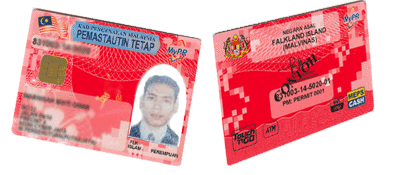
What it means: Permanent resident, but not Malaysian citizen
One document that is often misunderstood is the red identity card, also known as MyPR.
MyPR is issued to individuals who have Permanent Resident status in Malaysia.
This means they are allowed to live in Malaysia legally on a permanent resident basis, but they are still not Malaysian citizens.
The card has a red background and displays the original nationality of the holder.
What people often misunderstand:
- A red IC holder is not automatically a Malaysian citizen.
- A red IC holder is not automatically a PATI.
- A red IC holder has legal status in Malaysia as a permanent resident.
- Permanent resident status is different from citizenship.
This is important because some people wrongly assume that anyone with a red IC is an undocumented migrant.
That is not accurate.
A MyPR holder can legally remain in Malaysia as a permanent resident, but they do not enjoy the same full rights as Malaysian citizens.
For example, being a permanent resident does not automatically mean the person can vote, hold a Malaysian passport, or be treated the same as a citizen in all legal matters.
In simple terms, a red IC does not mean the person is a PATI.
It means the person is a legal permanent resident, but not a Malaysian citizen.
3. UNHCR Card
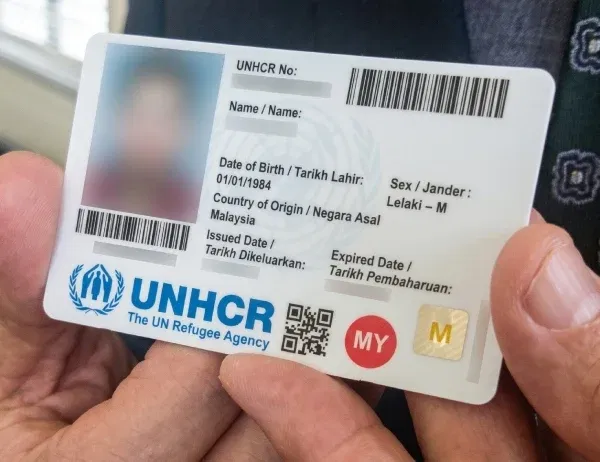
What it means: Refugee or asylum seeker document
Another document often discussed, especially when it comes to the Rohingya community, is the UNHCR card.
To understand this better, we need to look at the background.
Many Rohingya who are in Malaysia are stateless or do not have citizenship in Myanmar. Because of this, some seek international protection as refugees or asylum seekers through UNHCR, the United Nations refugee agency.
UNHCR cards are issued to individuals who have gone through UNHCR’s registration or assessment process and are identified as needing international protection.
What a UNHCR card is not:
- It is not a Malaysian identity card.
- It is not a MyKad.
- It is not a MyPR.
- It is not proof of Malaysian citizenship.
- It does not automatically make someone a Malaysian permanent resident.
In simple terms, having a UNHCR card does not make someone a Malaysian citizen or permanent resident.
The card mainly shows that the person is registered with UNHCR and is under its protection process.
According to UNHCR, the card may provide a level of protection and help reduce the risk of arrest, while also allowing limited access to certain health, education, or support services through UNHCR, its partners, or other organisations.
However, UNHCR cardholders are still required to respect the laws of the country they are in.
This means the card does not place someone “above the law”, and it does not give them the same legal status as Malaysian citizens.
4. PATI
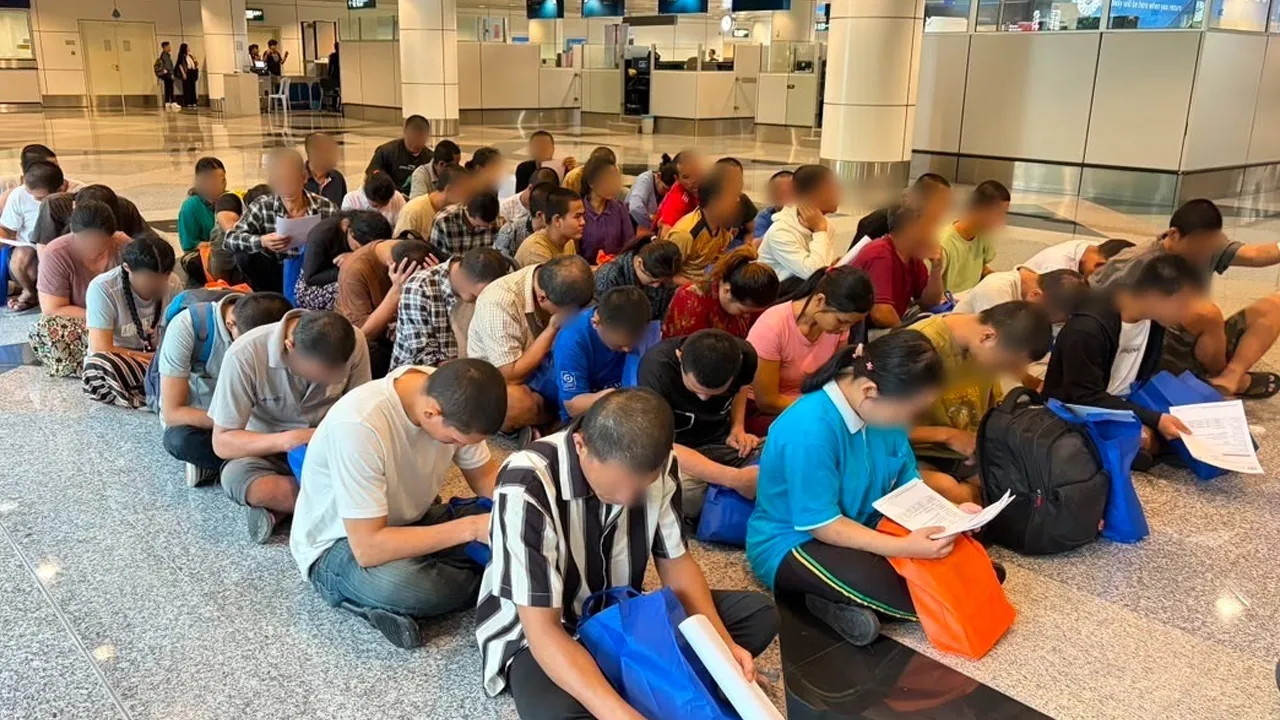
What it means: Individual without valid immigration documents
PATI stands for Pendatang Asing Tanpa Izin, or undocumented migrant.
This generally refers to individuals who do not have valid immigration permission to enter, stay, or remain in Malaysia.
This can include individuals who:
- Enter Malaysia without valid documents
- Overstay their visa or permit
- Do not have valid immigration permission to remain in the country
- Fail to comply with immigration requirements
The Malaysian Immigration Department enforces these matters under the Immigration Act 1959/63.
This is why PATI is a separate category from MyKad holders, MyPR holders, and UNHCR cardholders.
A Malaysian citizen with a MyKad is not a PATI.
A permanent resident with a valid MyPR is also not a PATI.
A UNHCR cardholder is registered with UNHCR as needing protection, but the card itself is not the same as a Malaysian immigration pass, MyKad, MyPR, or citizenship document.
Why do people often confuse these categories?
A lot of confusion happens because these documents are often discussed together during debates about refugees, migrants, citizenship, and national security.
On social media, terms like “Rohingya”, “UNHCR card”, “PATI”, “red IC”, and “citizenship” are sometimes used loosely, even though they refer to different things.
This can lead to misunderstanding.
For example:
- Some may assume a UNHCR card means the person has been given Malaysian citizenship. This is not true.
- Some may assume a red IC holder is an undocumented migrant. This is also not true.
- Some may assume all non-citizens fall under the same category. This is inaccurate.
- Some may assume every Rohingya in Malaysia has the same legal status. This may not be the case.
At the same time, immigration issues are sensitive because they involve several serious aspects, including humanitarian concerns, border control, public resources, safety, and the country’s legal framework.
That is why it is important to separate facts from assumptions.
The easiest way to remember
- Blue MyKad: Malaysian citizen
- Red MyPR: Permanent resident, but not Malaysian citizen
- UNHCR card: Registered refugee or asylum seeker document
- PATI: Individual without valid immigration documents or permission to stay in Malaysia
Final takeaway
The Rohingya and refugee issue in Malaysia is often emotional and sensitive, especially because it touches on both humanitarian concerns and national interests.
However, before making assumptions or sharing posts online, it is important to understand the difference between citizenship, permanent residency, refugee documentation, and undocumented migrant status.
Not all documents mean the same thing.
Not all non-citizens have the same legal status.
And not every person without Malaysian citizenship automatically falls under the same category.
Understanding these differences helps prevent confusion, misinformation, and unfair assumptions from spreading on social media.