
The Ministry of Investment, Trade and Industry has officially announced new CBU EV import rules effective 1 July 2026.
Minimum declared CIF value of RM200,000 and minimum power output of 180kW (245PS/241hp). This article reflects the official confirmed policy as of publication date.
The situation has been developing since December 2025 through multiple revisions.
M’sia road to EV and sustainable energy
Between 2022 and 2025, Malaysia ran a bold experiment.
The minimum price floor was set at RM100,000, low enough to allow mainstream EVs from Chinese manufacturers to enter the market at prices ordinary Malaysians could consider.
The experiment worked.
According to data.gov, Malaysia’s official open data portal, EV registrations more than doubled in 2025.
Affordable EVs from multiple brands entered the market. Consumers had real choices at multiple price points.
The EV segment went from niche to mainstream in the span of three years.
And then, on 6 May 2026, MITI officially ended it.
In a media statement, the Ministry of Investment, Trade and Industry confirmed that from 1 July 2026, all imported Completely Built-Up (CBU) EVs entering Malaysia must meet two requirements:
- A minimum declared CIF (Cost, Insurance and Freight) value of RM200,000
- A minimum power output of 180 kilowatts, equivalent to 245PS or 241 horsepower.
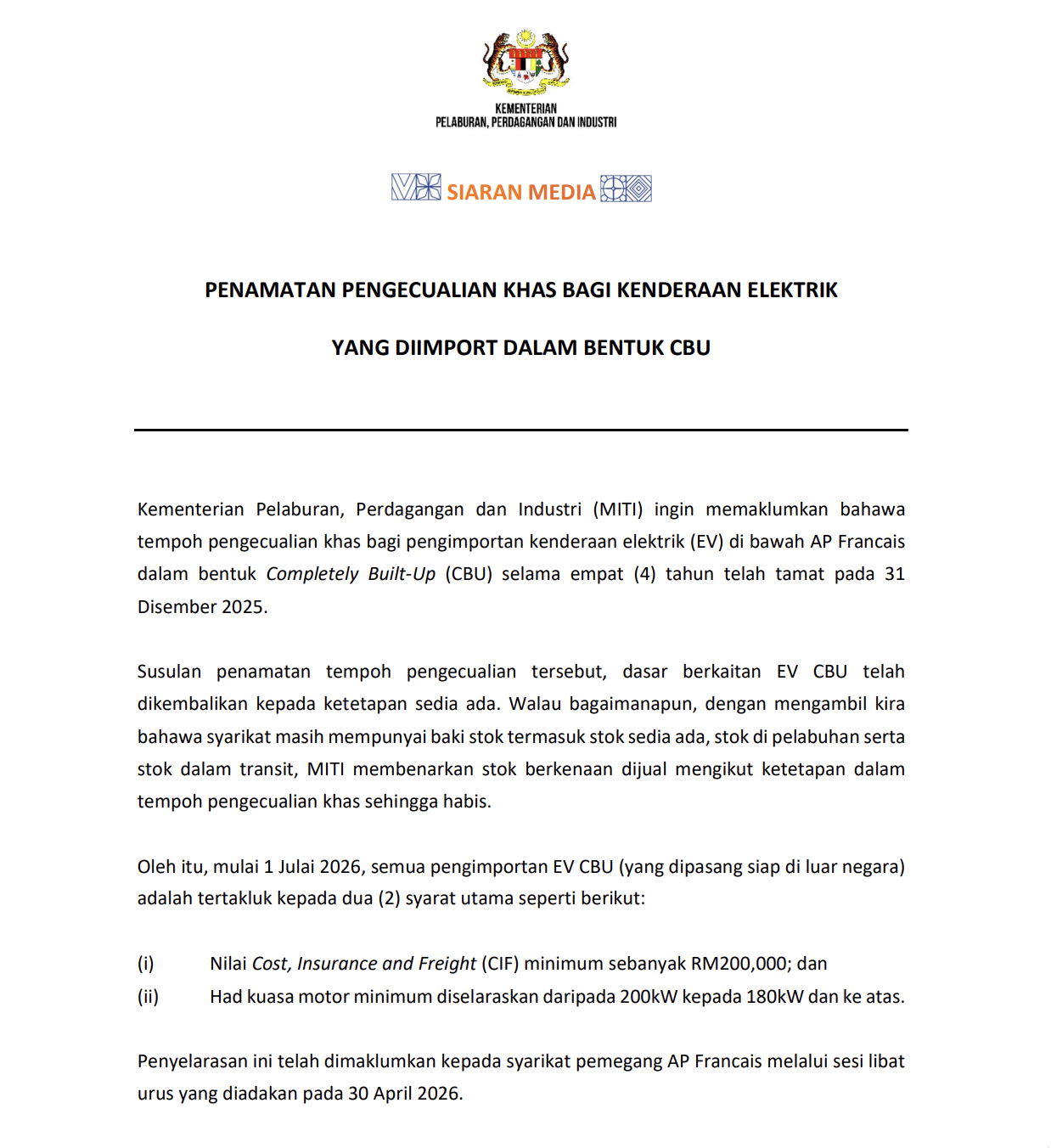
The ministry said this adjustment was communicated to AP franchise holding companies through an engagement session held on April 30, 2026.
Ready stock and cars already in transit are exempted from the new rule.
What the policy actually means in Ringgit
The RM200,000 figure is the CIF value, the cost of the vehicle plus insurance and freight before Malaysian taxes are applied.
By the time import duty (30%), excise duty (10%), and sales tax (10%) are added on top of a RM200,000 CIF vehicle, the on-road price in Malaysia would realistically land at RM300,000 or above for most models.
| Cost component | Amount | Notes |
|---|---|---|
| Minimum CIF value (from 1 July 2026) | RM200,000 | Cost + insurance + freight before Malaysian taxes |
| Import duty | 30% | Of CIF value. Some countries may benefit from FTA rates (e.g. China-ASEAN FTA). |
| Excise duty | 10% | Applied on top of CIF + import duty |
| Sales tax | 10% | Applied on the taxable value |
| Estimated minimum on-road price | ~RM300,000+ | For a RM200,000 CIF vehicle, after all duties and taxes |
The timeline of policy flip-flops that led here
This is at least the third time MITI has changed its CBU EV policy in 2026 alone.
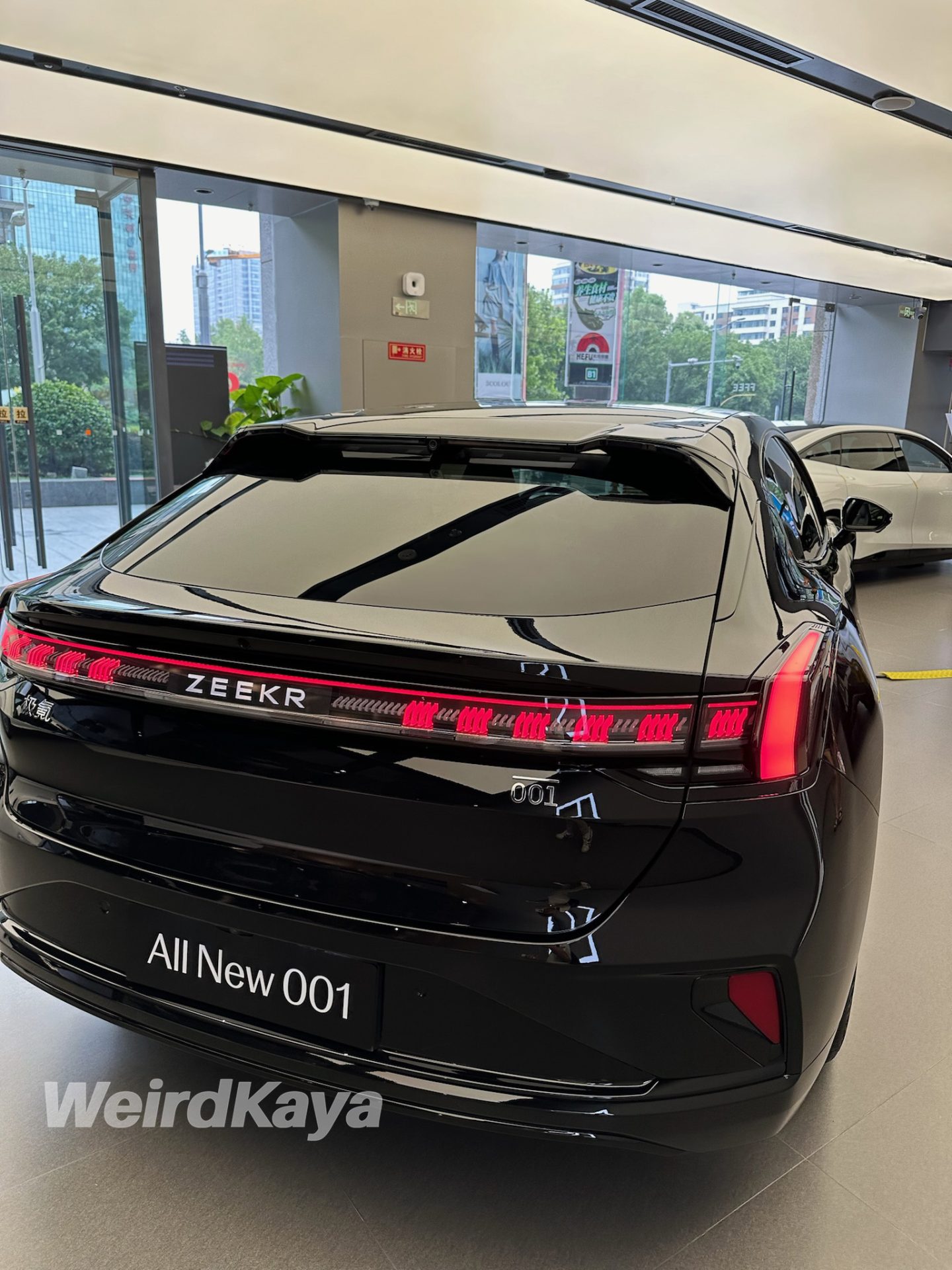
Understanding the timeline is important because it explains why industry players, consumers, and observers are frustrated, not just with the policy itself, but with how it has been handled.
Budget 2022, January 2022
The window opens: full duty exemption for CBU EVs
Government announces full import and excise duty exemption for all CBU EVs, effective 1 January 2022. Minimum price floor set at RM100,000 to prevent cheap micro-car flooding. Window originally set to close end-2023, then extended to end-2024, then extended again to end-2025. EV registrations grow dramatically during this period.
31 December 2025
First shock: RM250,000 minimum and 200kW power floor, for new brands only
On the last day of the tax exemption period, MITI announced new requirements for CBU EVs effective 1 January 2026. The industry had assumed that while taxes would return, the RM100,000 price floor would remain. Instead, MITI announced a RM250,000 minimum selling price and 200kW minimum power output, initially stated to apply only to new EV brands entering Malaysia.
21 January 2026
Second shock: expanded to ALL new models, including existing brands
With the January 2026 amendment, MITI applied the ruling to all new CBU EV models, even for brands that are already in the Malaysian market. This dramatically widened the impact. Existing brands planning new model launches suddenly found those models may not meet the requirements. The Malaysian Automotive Association (MAA) confirmed that 30% import duty, 10% excise duty, and 10% sales tax would also be applied.
6 May 2026, Confirmed official
Final ruling: RM200,000 CIF minimum, 180kW power floor, effective 1 July 2026
MITI officially confirms new CBU EV ruling. New imported EVs must adhere to a minimum CIF price of RM200,000 and a minimum power requirement of 180kW, effective 1 July 2026. Ready stock and vehicles in transit are exempted. The CIF requirement (slightly lower than the earlier RM250,000 selling price discussion) still translates to an on-road price of approximately RM300,000 or above once all duties and taxes are applied.
Who gets hit, and who gets protected
Of the top 20 best-selling EVs in March 2026, only a few models would be unaffected by the new rules.
The rest, including many of the most popular and accessible EVs that drove Malaysia’s EV adoption growth, face either being pulled from the market or being repriced to levels beyond most Malaysian buyers.
| Category | Impact | Why |
|---|---|---|
| Mainstream CBU EVs below RM200k CIF | Effectively priced out | Cannot meet the RM200k CIF minimum, economic rationale for importing disappears |
| Entry-level and mid-range EV models | Replacement models unlikely | Most mainstream EV models do not reach the 180kW minimum power requirement. Automakers will not artificially upspecify a car to meet a power threshold. |
| Premium CBU EVs already priced above RM300k | Largely unaffected | Already meet both CIF and power requirements. Policy makes no practical difference. |
| Locally assembled (CKD) EV models | Fully protected, no CIF or power rules apply | CKD tax exemptions continue until end of 2027. CBU restrictions do not apply to locally assembled vehicles. |
| Local national brands with special dispensation | Fully shielded | One national brand already enjoys a CKD-bridging programme allowing it to import CBU units at below RM100,000 despite the policy, a dispensation that does not apply to any other brand. |
MITI’s stated rationale: developmental, not protectionist
MITI and Minister Johari Ghani have consistently maintained that the policy is developmental rather than protectionist.
He said in a press statement earlier that the conditions were designed to ensure alignment with the National Automotive Policy and New Industrial Master Plan 2030, promote high-value activities, and prevent market distortion.
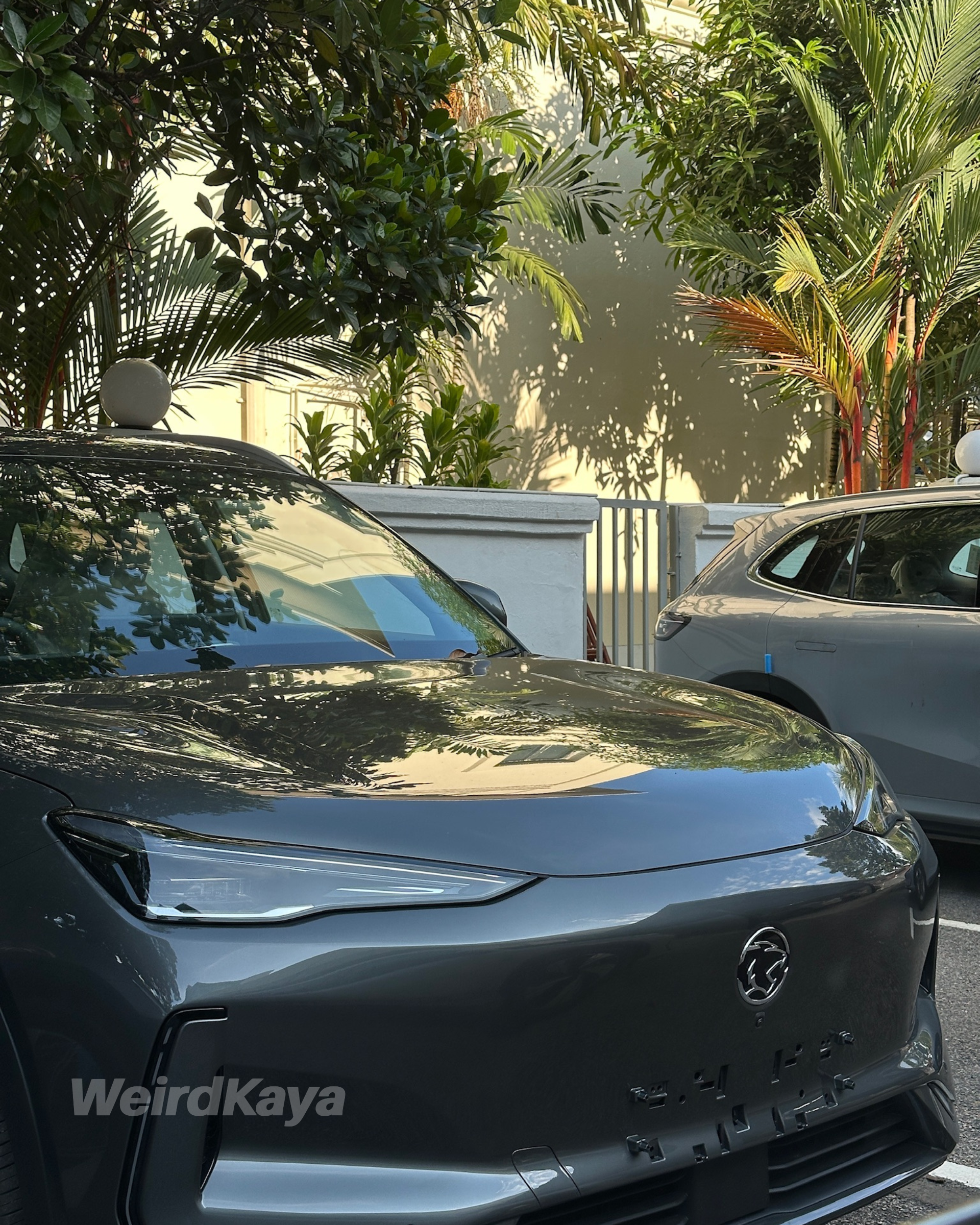
The core argument: Malaysia wants to be a manufacturing and export hub for EVs, not just a market for imported ones.
The ministry said local manufacturing and assembly, not perpetual CBU imports, is the government’s longer-term strategy for making EVs more accessible and affordable to Malaysians.
By making CBU imports economically unviable for mainstream models, MITI is attempting to force a decision: automakers must either commit to local assembly with real localisation targets, or exit the mainstream price segment.
Chinese brands including Chery, Jaecoo, Jetour, Haval, Wey, MG and Volvo have been granted manufacturing approvals in Malaysia.
Chery Automobile Co. Ltd was also granted a Manufacturing License by MITI on 26 June 2025.
MITI points to these approvals as evidence that the policy framework is not a barrier to entry but a framework for meaningful, high-value participation.
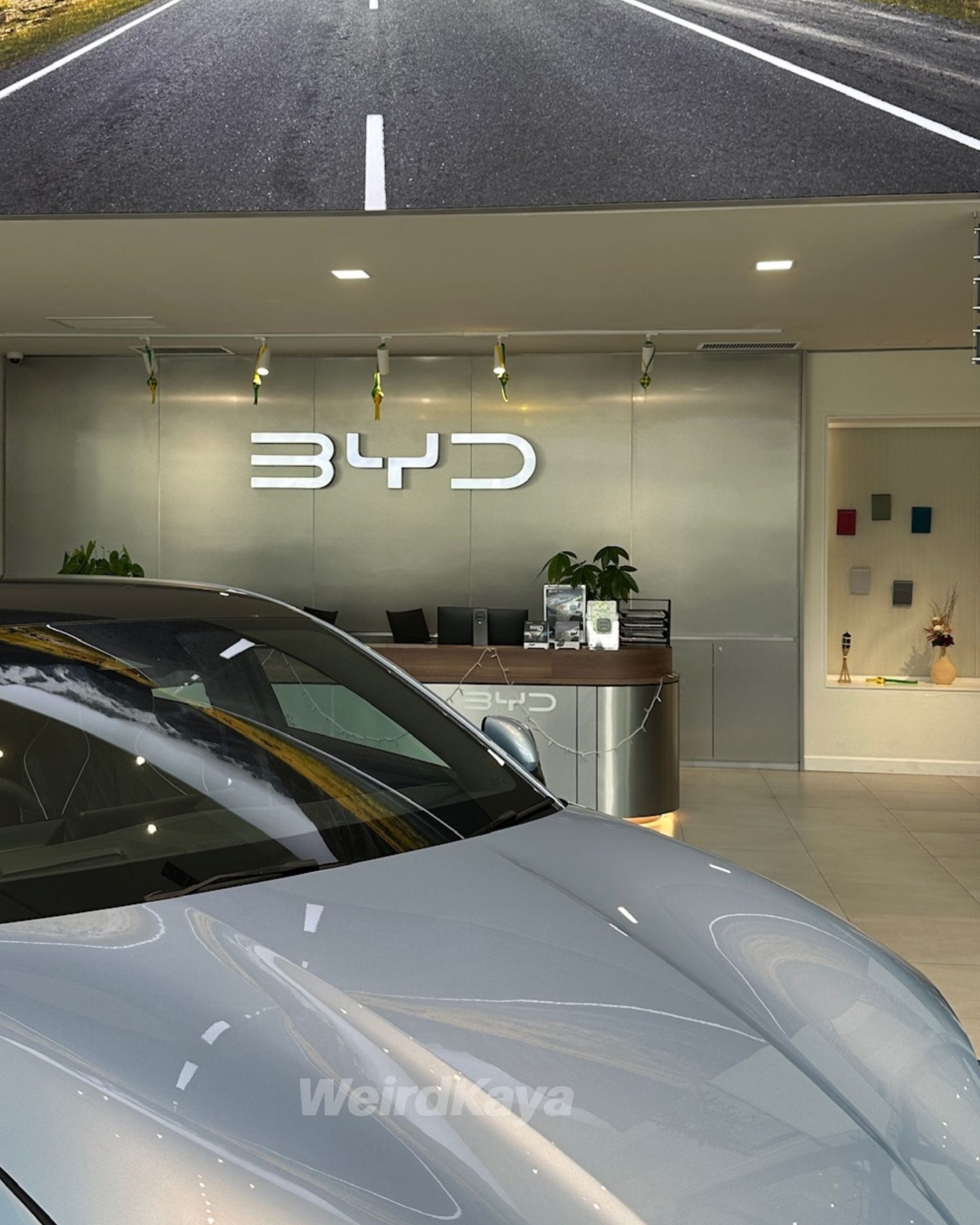
On the other hand, BYD was granted an interim Manufacturing License on 29 September 2025, but reportedly faced difficulties in reaching an agreement with the government.
The counterarguments: Why industry and consumers are not convinced
Despite MITI’s framing, the policy has drawn significant criticism from automotive analysts, consumer advocates, and industry observers across multiple dimensions.
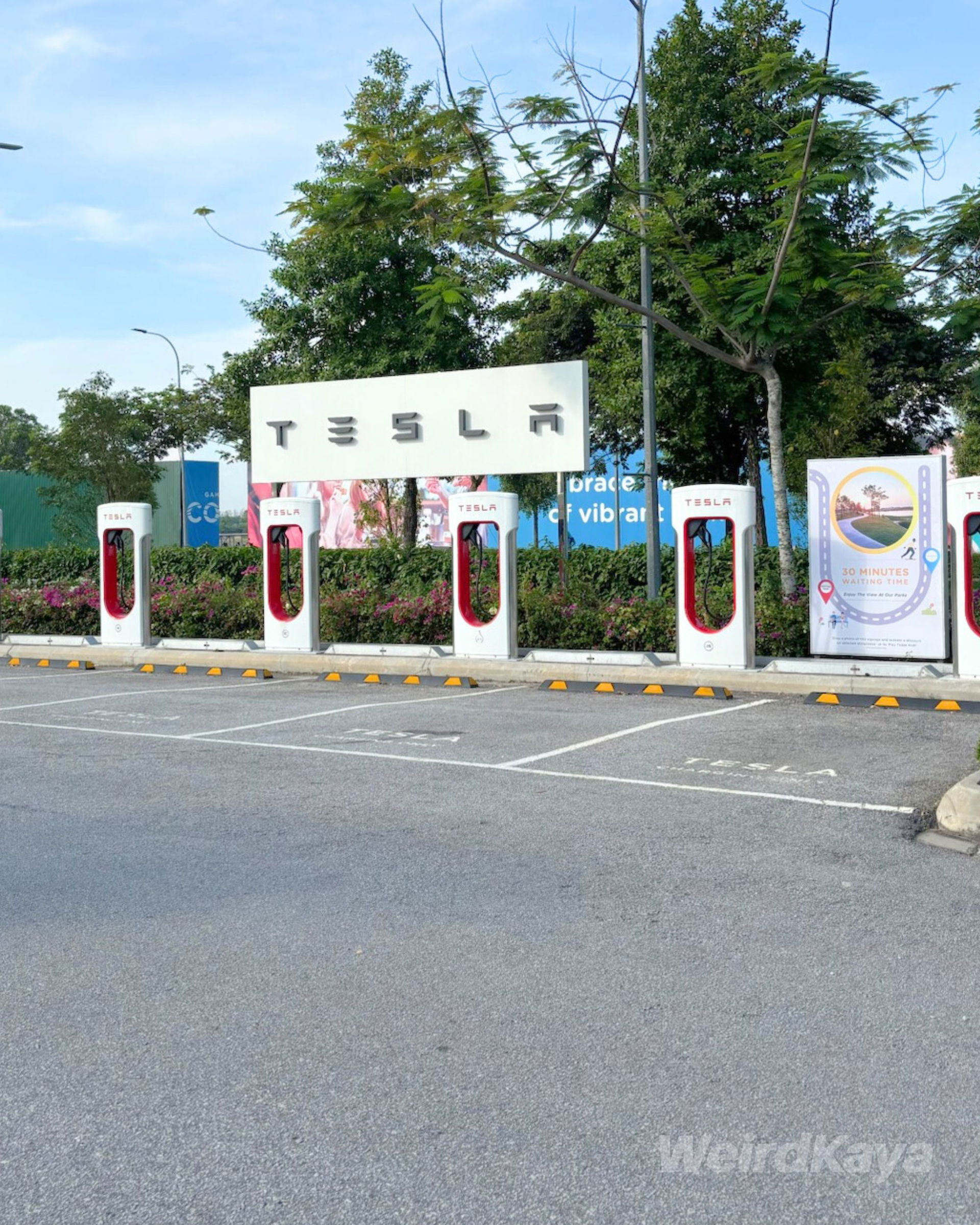
Firstly, limiting affordable imported EVs could slow Malaysia’s EV adoption and undermine the country’s 80% EV target by 2050, while prolonging the government’s heavy fuel subsidy burden.
Besides, the proposed 180kW minimum power requirement appears arbitrary, as it has no clear link to safety, emissions, or range, and mainly serves to exclude lower-cost EV models.
Also, the policy’s sudden July 2026 implementation disrupts manufacturers’ and dealers’ long-term investment planning, giving the industry less than 60 days to adapt.
CKD EV tax exemptions ending in 2027 are seen as too short-term to justify the high costs and long timelines needed to set up local assembly plants.
What this means for Malaysian car buyers right now
If you are in the market for an EV or thinking about one in the next year or two, this policy directly affects your options and your timing.
Malaysians planning to buy an EV before 1 July 2026 may still have access to affordable imported CBU models already in stock or transit, but this window is expected to close once existing inventory runs out.
After 1 July 2026, imported EV choices are expected to shrink mainly to premium models above RM300,000, leaving locally assembled CKD EVs as the primary option for more affordable EV ownership.
The market is now closely watching whether enough CKD models can be introduced fast enough to replace excluded CBU models and maintain affordable EV choices.
Another major concern is the expiry of CKD EV tax exemptions at the end of 2027.
If these incentives are not extended, Malaysia could face another sharp increase in EV prices across both imported and locally assembled segments.