

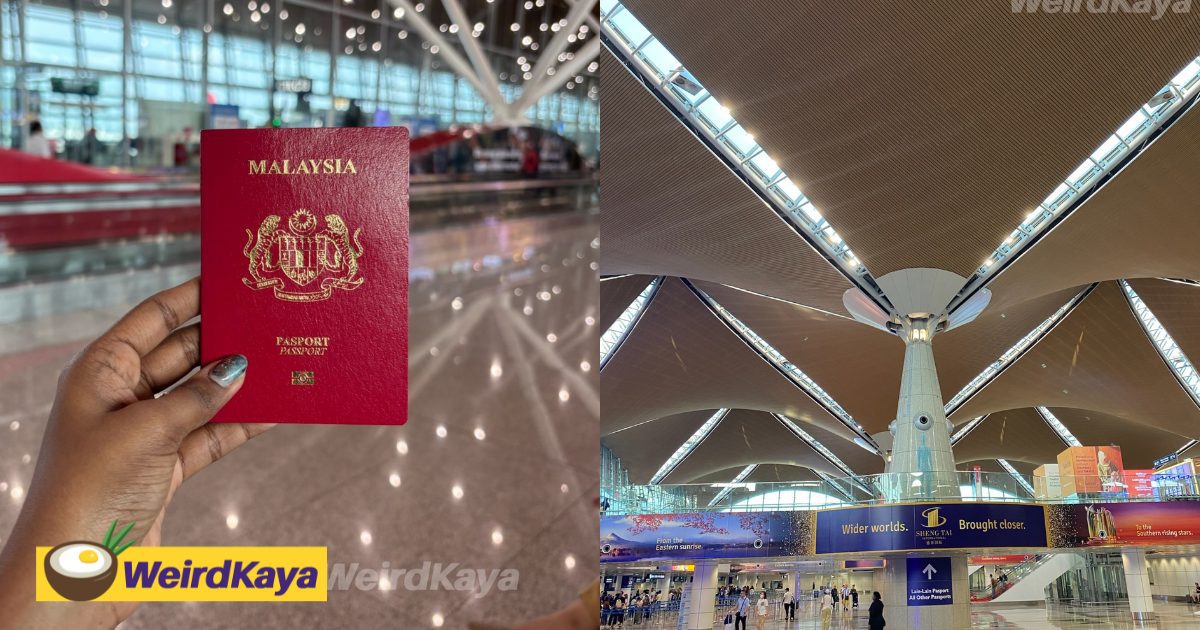
Malaysia’s Immigration Department director-general Datuk Zakaria Shaaban confirmed something that has been in the works for months on 19 May.
Starting 1 June 2026, Malaysia will begin issuing a completely redesigned passport.
The announcement came at the Immigration Department’s 2025 Excellent Service Award ceremony in Putrajaya, and it covered more than just a visual refresh.
The new Malaysian International Passport, or PMA, nearly doubles the number of security features compared to the version Malaysians have been carrying for years.
For most Malaysians, the honest answer to “what do I need to do?” is: nothing right now.
But for anyone with a passport expiring in the next year, anyone planning to apply for the first time, or anyone who just wants to understand what their travel document is becoming in 2026, here is the full picture.
What Is Actually New?
94 security features, up from 49
The most significant upgrade is the near-doubling of embedded security features. The current passport carries 49 security features.
The new version brings that to 94.
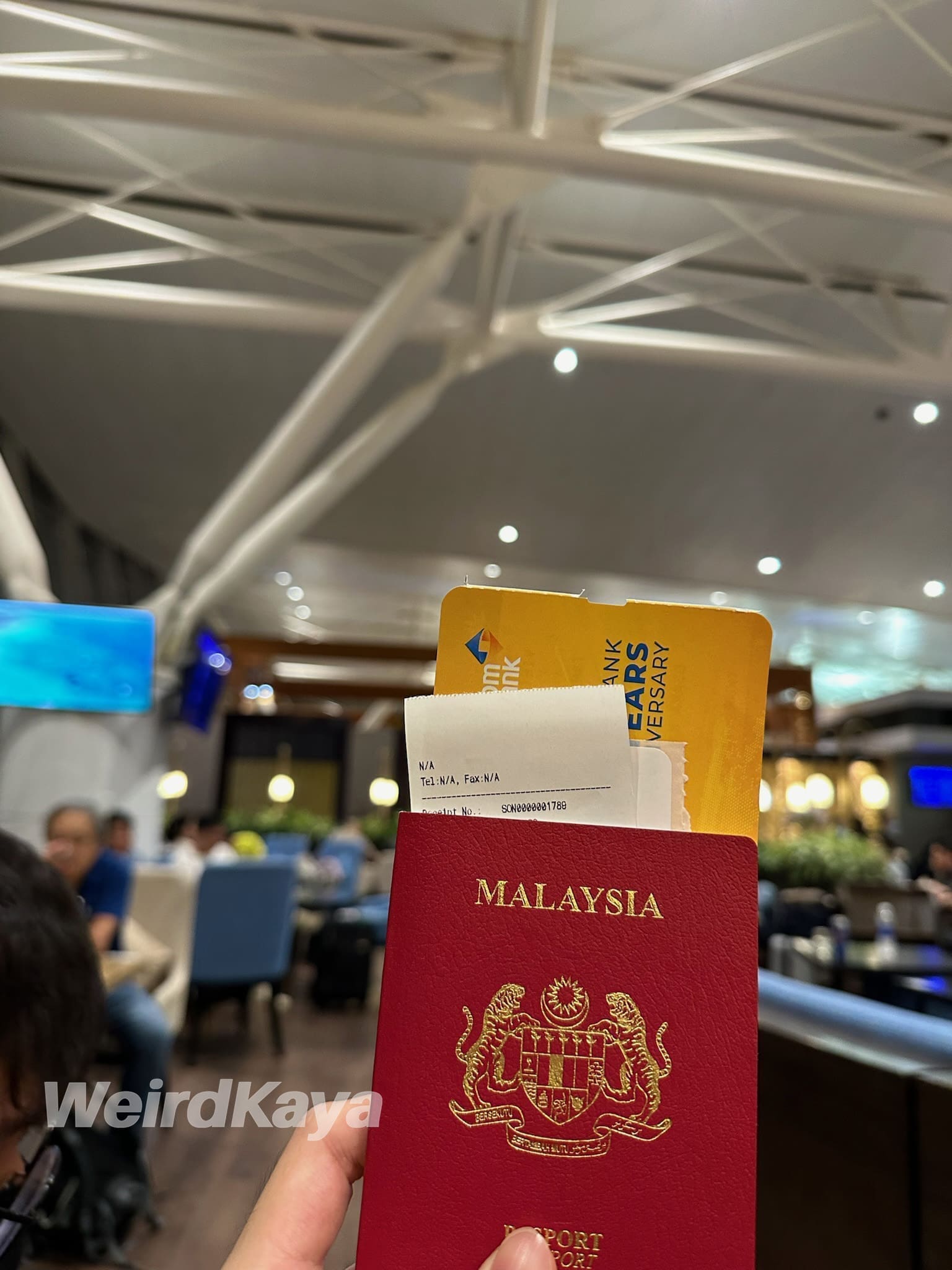
The additional features include holograms, ultraviolet printing, and special security threads used in the passport stitching.
Together, these make the document significantly harder to forge, alter, or counterfeit. Malaysia has long taken document security seriously.
The country was the world’s first to issue biometric passports back in 1998, and the 2026 upgrade continues that track record.
A new cultural design
Beyond security, the new passport features a modern, culturally inspired design.
Each page features elements of Malaysia’s iconic landmarks, flora, and heritage, turning a simple travel document into a celebration of the country’s identity.
This is a meaningful departure from the relatively plain internal pages of the current passport, which has been in use since 2017.
Advanced biometric technology and digital authentication
The 2026 passport incorporates advanced biometric technology to enhance identity verification at airports worldwide.
Embedded chips store secure personal and biometric information, ensuring rapid border clearance and reducing the risk of identity fraud.
The biometric transition also involves a shift from the existing Secured Access Module (SAM) system to Public Key Infrastructure (PKI), meaning the data in the electronic chip can now be read by other countries’ immigration systems.
This matters in practice: it is part of why Malaysian passport holders increasingly benefit from fast-track eGate processing at international airports.
APSS: the screening upgrade you will never see but will benefit from
In December 2025, the Passports Amendment Bill 2025 was passed alongside the Immigration Amendment Bill 2025.
One of the most significant additions is the Advance Passenger Screening System (APSS).
The APSS enables the government to screen travellers 72 hours before their arrival in Malaysia.
The measures are in line with international security standards and are designed to ensure border control remains relevant and responsive to emerging threats.
For travellers, this means faster clearance at the border because risk assessment has already been completed before the plane lands.
For Malaysia’s immigration infrastructure, it is a major modernisation of how people entering the country are processed.
The QR code and automated gate upgrades
The Passports Amendment Bill 2025 also introduced provisions for automated gates and QR code-based processing at immigration checkpoints.
This means the 2026 passport is designed to work with Malaysia’s evolving automated immigration infrastructure, reducing dependency on manual counter processing and shortening queue times at major ports of entry.
The Rollout: Where and When
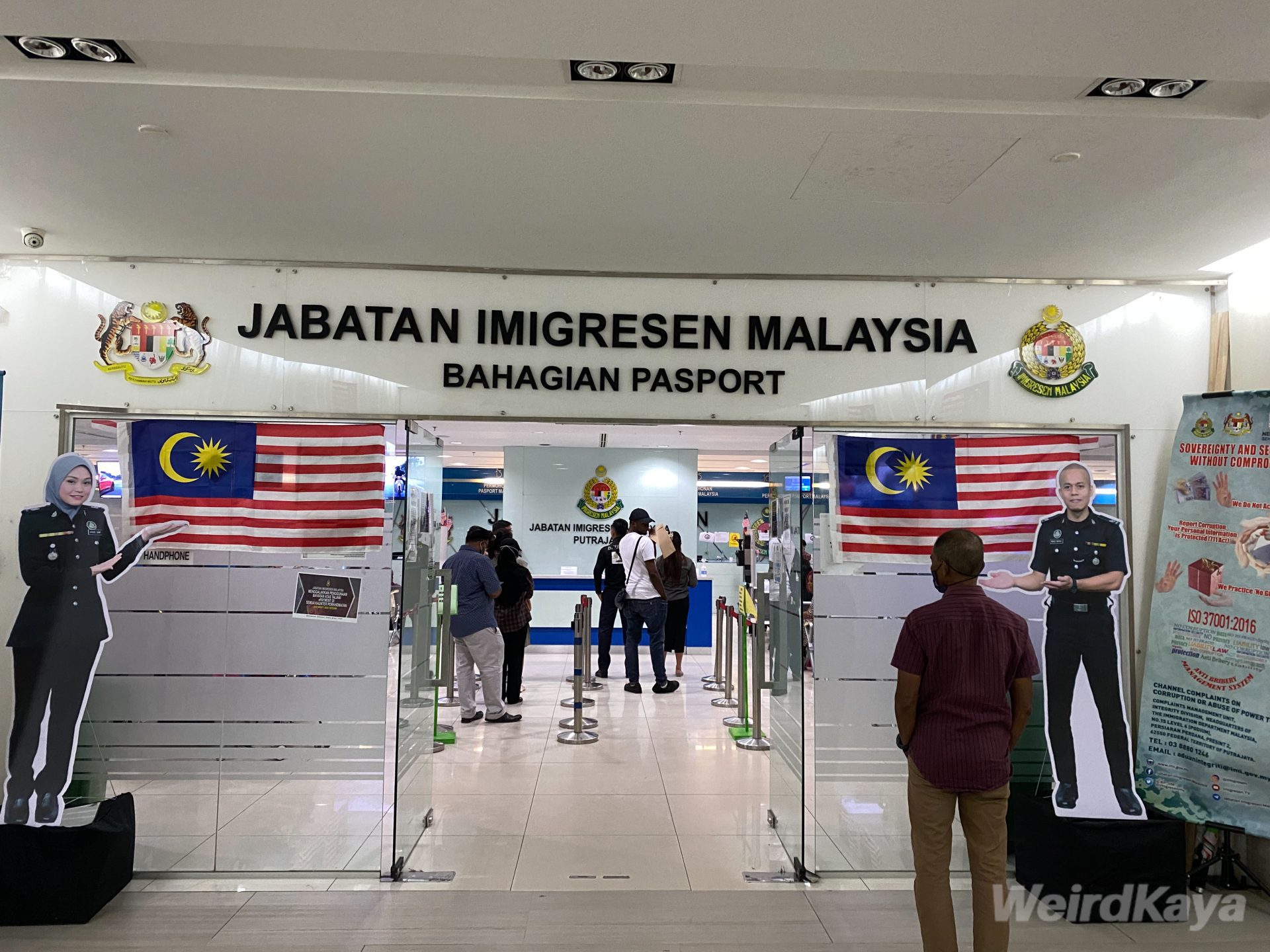
The initial phase of the new passport rollout will involve four offices: the Immigration headquarters in Putrajaya, the Kuala Lumpur Passport Office in Jalan Duta, the Urban Transformation Centre (UTC) in Wangsa Maju, and the Shah Alam Immigration Office.
Full nationwide rollout to all branch offices is expected by end of July 2026.
The director-general was explicit that Malaysians should not rush to immigration offices to get the new version.
Existing passports remain valid as long as they are within their validity period. He urged the public to allow the Immigration Department to carry out the rollout gradually.
| Phase | Date | Offices covered |
|---|---|---|
| Phase 1 | From 1 June 2026 | Putrajaya HQ, KL Jalan Duta, UTC Wangsa Maju, Shah Alam |
| Full nationwide | By end of July 2026 | All branch offices nationwide |
The AI Photo Warning: Do Not Do This
The director-general dedicated a notable portion of his press conference to a specific warning that felt very 2026: do not use AI-generated or AI-enhanced photos when applying for your passport online.
Immigration officers who process the applications have the expertise and are able to tell the difference.
Several cases have been detected where applicants used AI to brighten darker images or enhance their appearance.
This matters because passport photos are biometric source material.
The image in your passport is matched against your physical appearance at immigration checkpoints, linked to the RFID chip data, and used in facial recognition systems at eGates globally.
An AI-enhanced photo that does not accurately reflect your real appearance creates a mismatch that causes problems at borders.
Use a genuine photo. No filters. No AI touch-ups. No beauty mode.
How powerful is your Malaysian passport right now?
While the physical passport is getting an upgrade, the diplomatic strength of the document has also been on an upward trajectory.
As of May 2026, the Malaysian passport ranks 6th on the Henley Passport Index, granting visa-free or visa-on-arrival access to 183 countries, the second highest in Southeast Asia.
Singapore remains the most powerful passport globally, with access to 192 to 195 destinations depending on the index.
Japan and South Korea follow closely.
Malaysia’s position in the top 10 to 15 globally reflects decades of diplomatic engagement and bilateral visa agreements that have opened doors for Malaysian travellers across Asia, Europe, and the Americas.
Renewal fees and practical details
| Category | Fee | Notes |
|---|---|---|
| Adult (age 13 to 59) | RM200 | Standard 5-year international passport |
| Children (age 12 and below) | RM100 | Both parents must be present for minors |
| Senior citizens (age 60 and above) | RM100 | Discounted rate |
| Students (degree abroad, age 21 and below) | RM100 | Supporting documents required |
| Haji passport | RM100 | Specific travel use |
| Person with disability | Free | OKU card required |
Source: Jabatan Imigresen Malaysia official fee schedule 2026. Fees unchanged from previous year.
Here is something most Malaysians do not know:
Malaysia is among the fastest passport-issuing countries in the world, with a processing time of as little as 1 hour at Immigration offices nationwide since 2009.
This is according to Jabatan Imigresen Malaysia’s own official data, shared via their verified social media channels in May 2026.
𝐌𝐀𝐋𝐀𝐘𝐒𝐈𝐀 𝐏𝐄𝐍𝐆𝐄𝐋𝐔𝐀𝐑 𝐏𝐀𝐒𝐏𝐎𝐑𝐓 𝐓𝐄𝐑𝐏𝐀𝐍𝐓𝐀𝐒 𝐃𝐈 𝐃𝐔𝐍𝐈𝐀
— Imigresen Malaysia (@imigresenmy) May 19, 2026
Tahukah anda? Malaysia merupakan antara negara pengeluar pasport terpantas di dunia dengan tempoh siap seawal 1 jam hasil transformasi sistem dan pendigitalan perkhidmatan pasport negara. pic.twitter.com/6Mi5fqHuu7
For context, Singapore takes 3 to 7 working days. The UK takes 3 to 10 weeks. The United States takes 6 to 10 weeks. Australia takes 6 weeks. Canada takes 10 to 20 working days. Malaysia does it in an hour.
The 1-hour processing time has been made possible through decades of digitisation, beginning with the Pejabat Pasport Wangsa Maju in February 2007 and expanded nationwide from 2009 onward.
Online renewal via the MyOnline Passport portal is also available for eligible applicants.
You can renew up to 12 months before expiry, though Immigration advises against renewing more than 12 months out as the application may not be processed.
The recommended window is six months before expiry, especially for those with upcoming travel.