


For years, travellers flying from Australia or New Zealand to Europe often looked to airports like Singapore, Bangkok or Middle Eastern hubs for their layovers.
But Kuala Lumpur appears to be getting a bigger slice of that traffic, with Malaysia Aviation Group saying more passengers are now choosing to transit through KL on their way to Europe.
This comes as Malaysia Airlines’ Kuala Lumpur to London route records a load factor of more than 95%, driven in part by travellers from Australia and New Zealand connecting through the Malaysian capital.
More travellers choosing KL to fly to Europe
Malaysia Aviation Group president and group chief executive officer Captain Nasaruddin A. Bakar said the airline has been seeing strong demand for Europe-bound services via Kuala Lumpur.

Speaking to Business Times in an exclusive interview, he said the trend was especially noticeable in March and April, following the closure of several Middle East airports.
“In the first few months because of the closure of Middle East airports, we’re seeing a lot of flow especially from Australia, New Zealand to Europe via Kuala Lumpur,” he said.
He added that the higher passenger movement also shows why Malaysia Airlines and Kuala Lumpur International Airport need to be prepared to handle such demand.
“I think it’s important for Malaysia Airlines and also for Kuala Lumpur International Airport to ensure that we are ready for that kind of movement,” he said.
Extra London flights added, but Heathrow slots remain limited
To cope with the strong demand, Malaysia Airlines has also operated additional flights to London.

However, Nasaruddin said the airline is currently unable to introduce more scheduled London flights due to slot constraints at Heathrow Airport.
“We have some extra flights to London. Having due to slots reason, we’re not able to induce additional schedule flight into London at this point of time,” he said.
Making KL a stronger transit hub
Beyond adding flights, Nasaruddin said Malaysia Airlines is also working closely with the Transport Ministry, Malaysia Airports Holdings Bhd and the Civil Aviation Authority of Malaysia to support the country’s aviation industry.
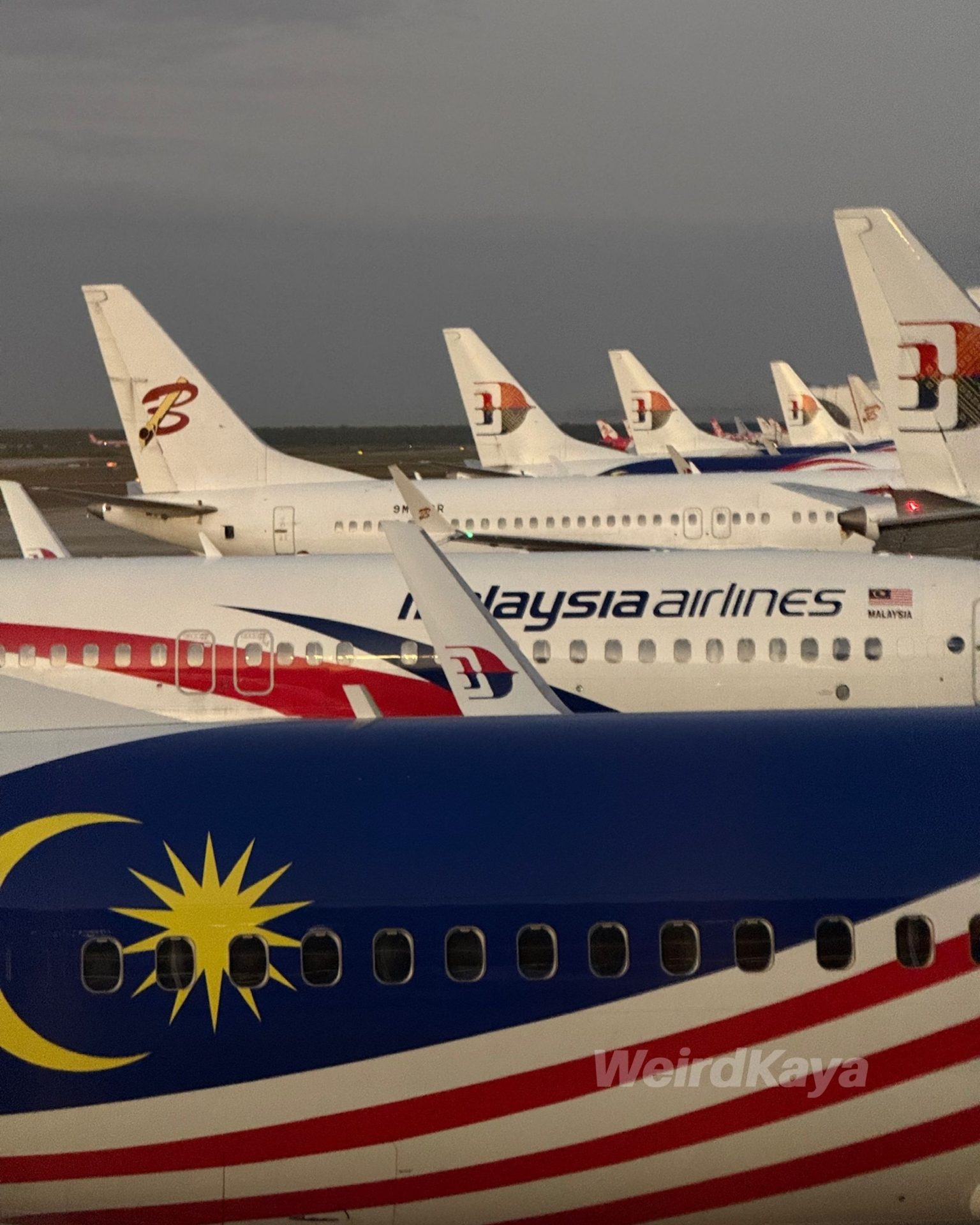
“As a company, we have been working a lot with the government through the Transport Ministry, CAAM and MAHB,” he said.
He added that Malaysia Airlines must also ensure smooth network connectivity, especially for passengers flying between Australia and Europe through Kuala Lumpur.
This includes offering efficient transit connections with waiting times of around three hours.
“As an airline, we have to ensure that we have additional product to entice people to stop over Kuala Lumpur rather than to Singapore or Bangkok,” he said.
Getting travellers to stop over, not just pass through
One way Malaysia Airlines is trying to attract more international passengers is through its Bonus Side Trip programme.
Under the programme, eligible international passengers travelling through Malaysia can enjoy complimentary flights to selected domestic destinations.
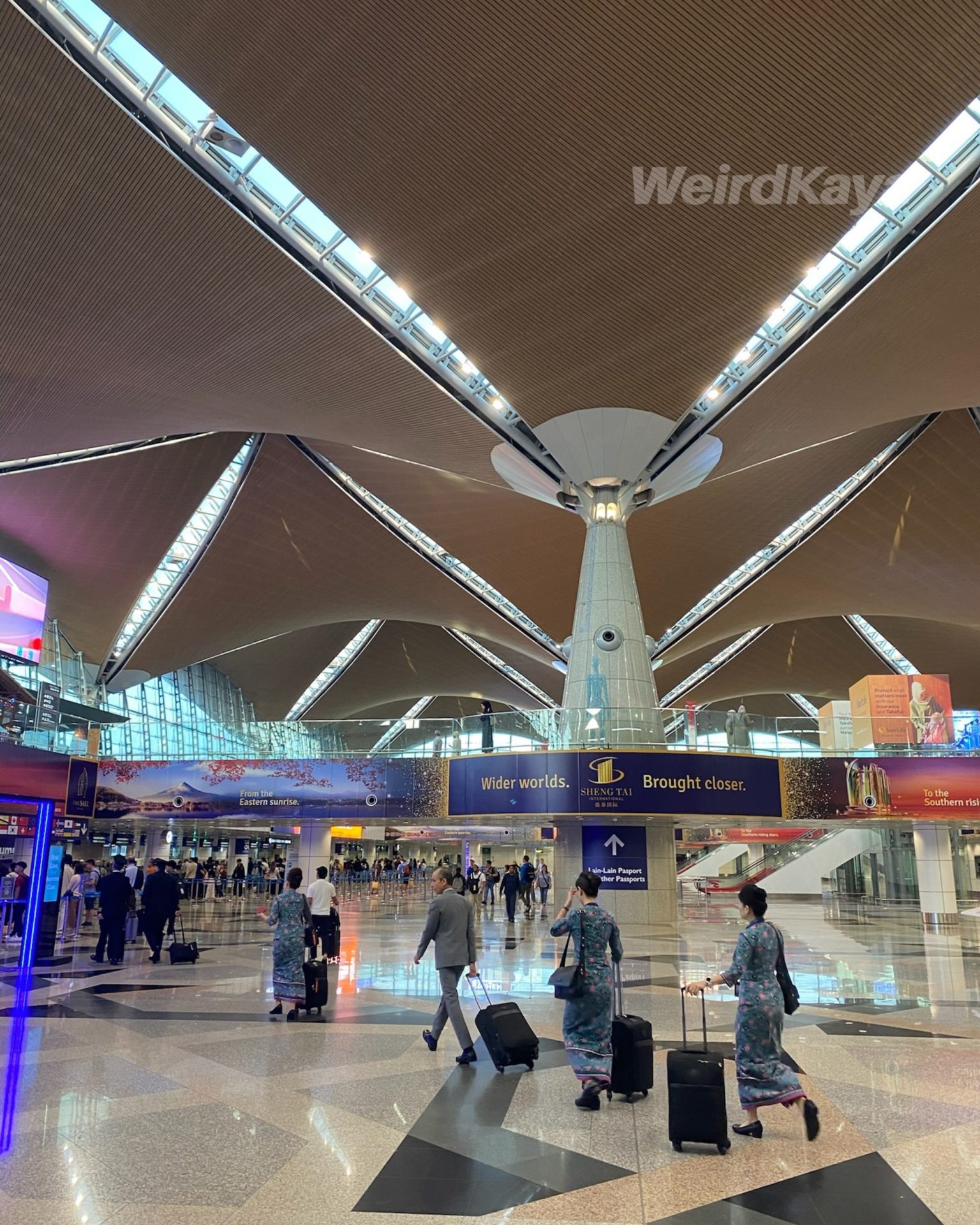
The idea is to encourage travellers to explore more of Malaysia, instead of only using Kuala Lumpur as a transit point before flying off again.
Nasaruddin also said airport infrastructure plays a major role in shaping the travel experience and attracting transit passengers.
“As an airport, we have to ensure that our infrastructure is seamless. It means the infrastructures are well and good, have been maintained, are operationally well,” he said.
He added that this would help encourage international passengers to choose Kuala Lumpur over other regional hubs such as Bangkok or Singapore.
With demand for Europe-bound flights growing and more travellers from Australia and New Zealand passing through KL, Malaysia now has a chance to strengthen Kuala Lumpur’s role as a key transit hub in the region.