

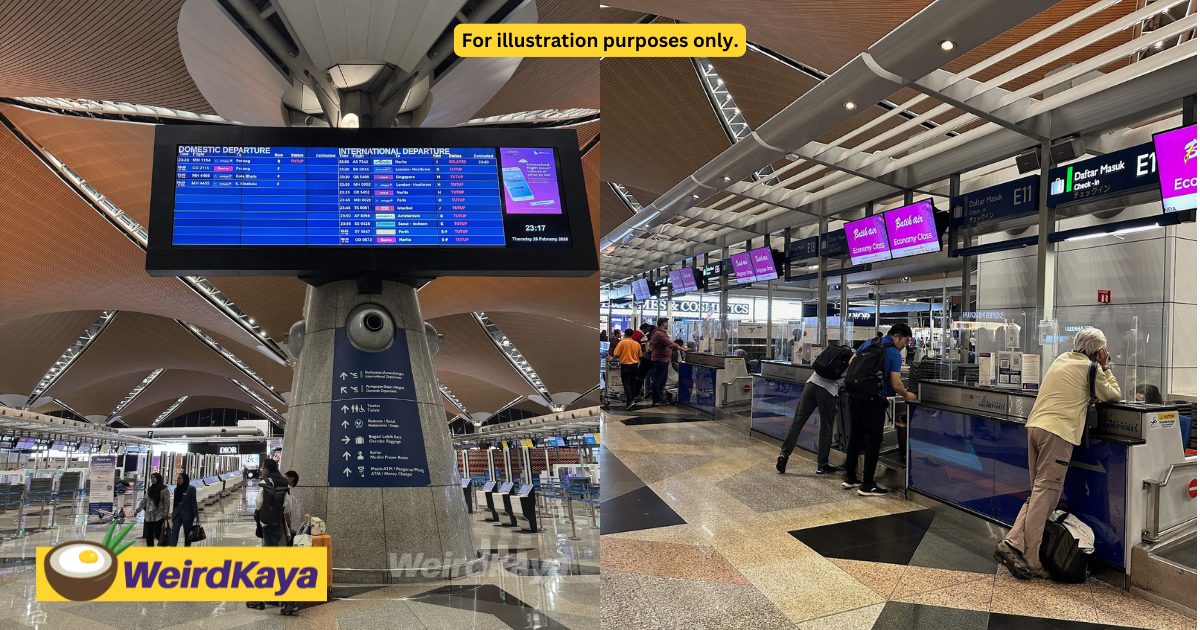
If you’re planning a trip overseas anytime soon, especially to regions facing unrest, here’s something you might want to double check first.
According to the General Insurance Association of Malaysia (PIAM), standard travel insurance policies offer little to no protection when it comes to war or conflict-related situations.
What your travel insurance won’t cover in war zones
PIAM chief executive officer Chua Kim Soon said war-related events are almost always excluded from standard policies.
This typically includes:
- Trip cancellations caused by conflict
- Flight delays due to war-related disruptions
- Emergency evacuations from affected areas
- Injuries sustained during war or violence
- Losses caused by military action, civil war, or rebellion
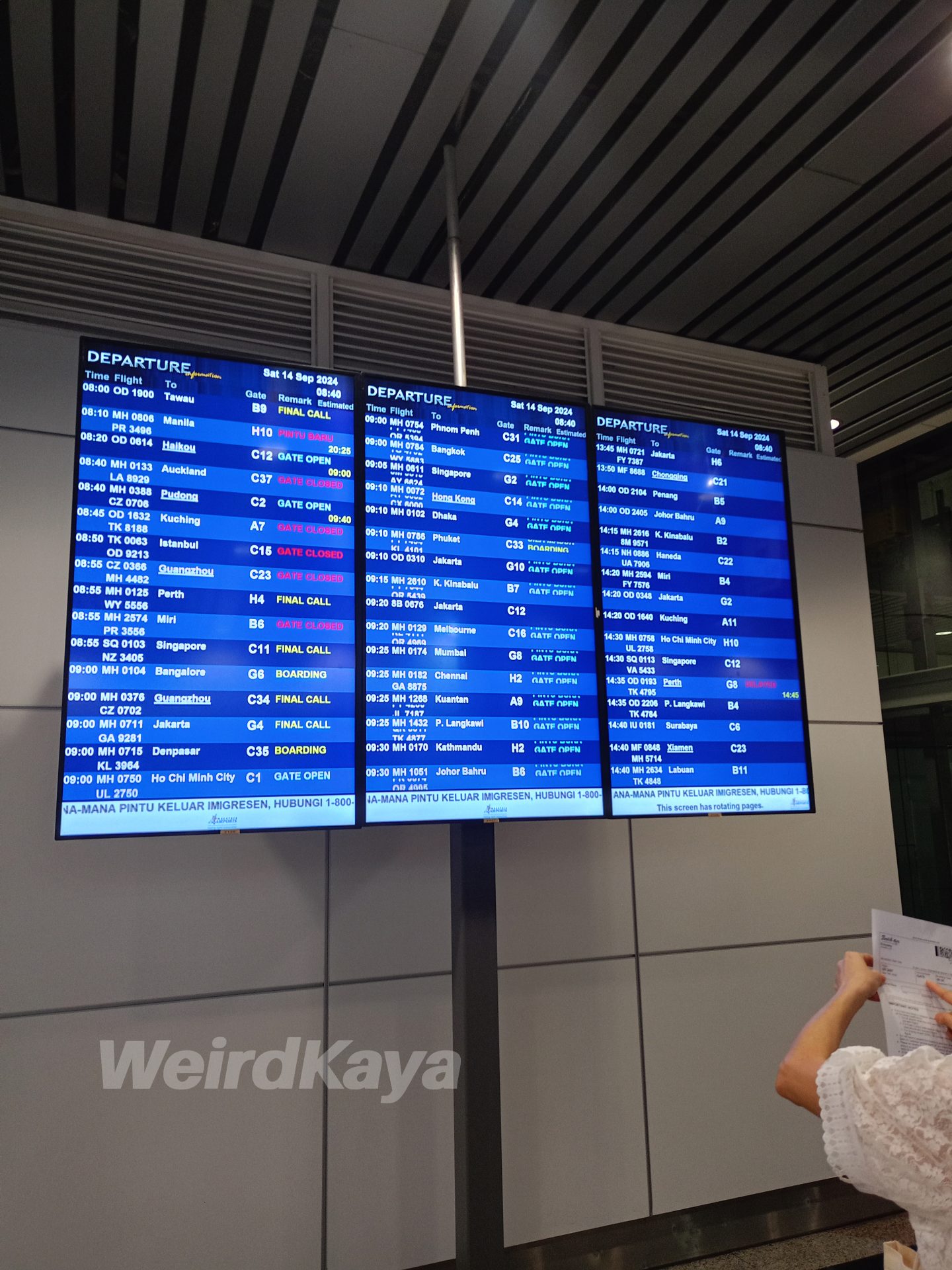
“War is a standard exclusion. Malaysian insurers almost universally exclude claims arising from war, armed conflict, military action, civil war or rebellion,” he said in response to queries reported by The Star.
Even if you didn’t know, you’re still not covered
One detail many travellers overlook is that the exclusion applies regardless of awareness.
Chua explained that even if you unknowingly travel into a conflict zone, your policy will not apply to war-related incidents.
For example:
- Getting injured while fleeing violence
- Being stranded due to sudden conflict escalation
- Travel disruptions directly caused by war
All of the above would still fall outside coverage.
What might still be covered
Not everything is automatically excluded, but it depends on whether the situation is linked to the conflict.
Chua said claims may still be considered if they are unrelated, such as:
- Medical issues not caused by war
- Lost luggage not linked to the conflict
- Other general travel mishaps outside the crisis
So while coverage isn’t entirely void, it becomes very limited in such situations.
You might be wondering why insurers don’t just offer coverage for this.
According to Chua, it comes down to one thing: unpredictability.
- War risks are too large in scale
- Situations can escalate suddenly
- Losses are difficult, if not impossible, to price accurately
“How do you price a war?” he said, highlighting the challenge insurers face.
What travellers should do before booking
Both Chua and senior insurance consultant Leonard Tan stressed the importance of checking official advisories before travelling. In Malaysia, these are issued by Wisma Putra.
Before confirming your trip, consider:
- Whether the destination has an active travel advisory
- If airlines allow postponements or rebooking
- Whether your insurance offers any flexibility or goodwill refunds
If a warning has already been issued and you still choose to go, it will be entirely at your own risk.
Despite these exclusions, travel insurance still plays an important role for most trips.
Leonard Tan noted that policies generally cover events like:
- Floods
- Earthquakes
- Volcanic eruptions
As long as there are no official advisories against travel, insurance can still offer valuable protection.
Travel insurance can protect you from many unexpected situations, but war isn’t one of them.
If there’s one takeaway here, it’s this: always check where you’re going, and when in doubt, don’t risk it.