


“Besides KWSP, what else can you do to grow your retirement savings?”
That simple question recently sparked a discussion online and the replies revealed something many Malaysians already feel but don’t always say out loud:
Relying on EPF alone may not be enough anymore.
So we broke it down properly with data, expert-backed insights, and the actual options Malaysians are using today.
Why EPF alone might not be enough
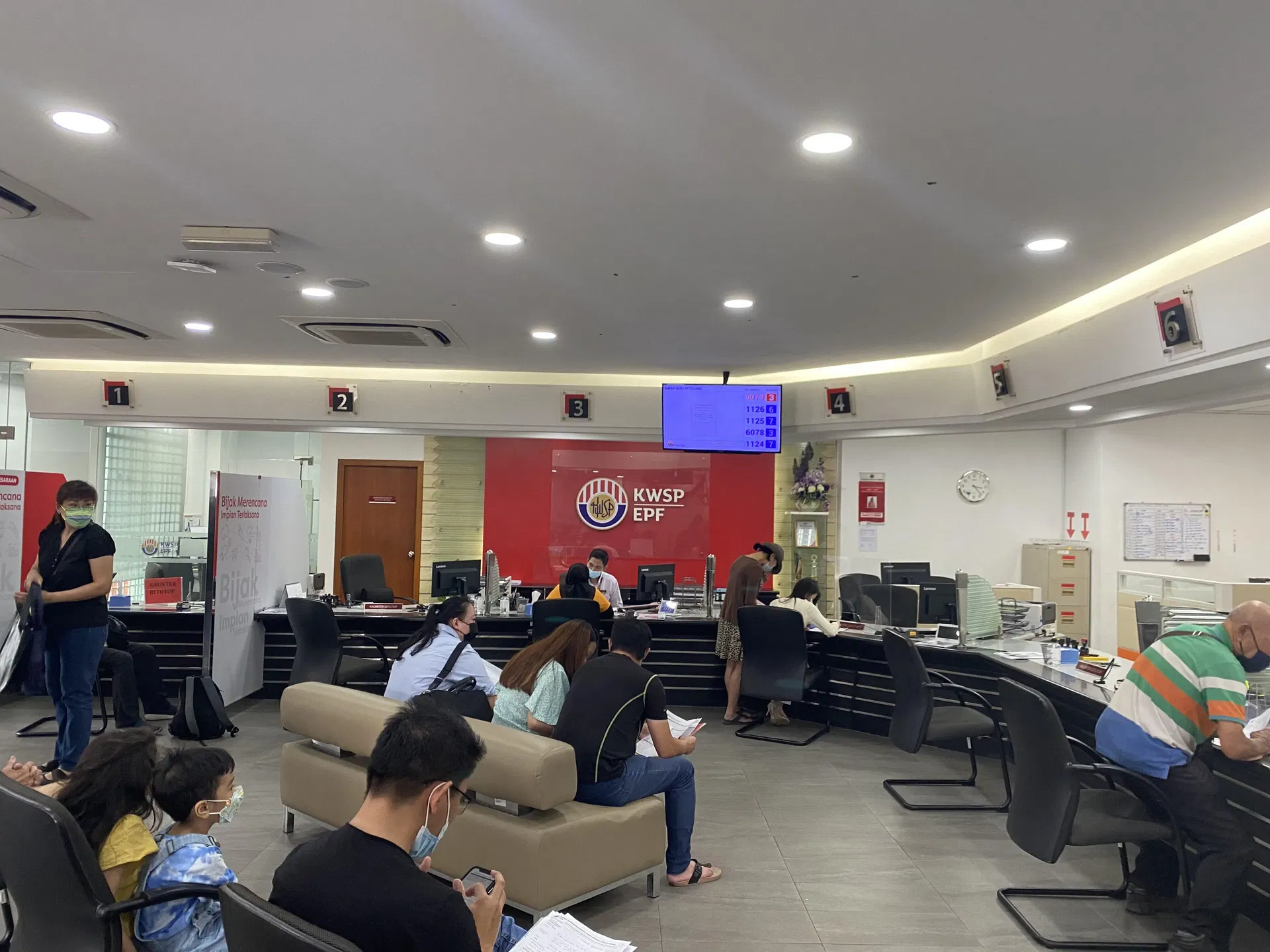
According to Employees Provident Fund Malaysia (KWSP), the Basic Savings benchmark is RM290,000 by age 55.
But here’s the reality:
- Many Malaysians don’t reach this amount
- Rising cost of living means RM290,000 may only last a few years in retirement
Bank Negara Malaysia has also previously highlighted that:
Many retirees risk outliving their savings, especially with longer life expectancy.
Translation: Even if you hit the minimum, it may still not be sufficient.
Which brings up an important question:
if EPF alone may not be enough, what are Malaysians actually doing about it?
So, what are Malaysians doing besides EPF?
From safer, low-risk options to higher-growth strategies, most people today aren’t relying on just one method.
Instead, they’re building their retirement funds through a mix of different tools — depending on their income, risk tolerance, and financial goals.
Some prioritise stability, while others aim for higher returns over time. But one thing is clear:
Diversifying has become the common approach.
Here’s a breakdown of the most common options Malaysians are turning to:
1. Private Retirement Scheme (PRS) — a structured “top-up”
PRS is often described as a voluntary extension of EPF, regulated by Private Pension Administrator Malaysia.
How it works:
- You contribute regularly (or lump sum)
- Funds are invested by professional managers
- Withdrawals are generally locked until retirement age
Why people choose PRS:
- Tax relief (up to RM3,000 annually, depending on policy updates)
- Long-term compounding effect
- Multiple fund types (conservative → aggressive)
What to watch out for:
- Returns are not guaranteed
- Early withdrawals come with penalties and tax implications
Best used for: People who want discipline + tax incentives.
2. Unit Trusts — flexible but requires awareness
Unit trusts (UT) are one of the most accessible investments in Malaysia, offered by institutions like Amanah Saham Nasional Berhad and private banks.
How it works:
- Your money is pooled with other investors
- Fund managers invest in stocks, bonds, or mixed assets
Key advantage:
- Easy entry (some start from RM100/month)
- Wide variety of funds (local, global, Shariah, etc.)
The catch:
- Sales charges & management fees can reduce returns
- Performance depends heavily on:
- Market conditions
- Fund manager decisions
Not all UTs are good. Some outperform, some don’t, research matters.
3. ASB — one of Malaysia’s most stable options
For Bumiputera investors, Amanah Saham Bumiputera (ASB) is often considered a core retirement tool.
Why ASB stands out:
- Fixed price (RM1 per unit) → no capital loss risk from market price
- Consistent dividend payouts historically (~4%–6%)
- Compounding over time
Why many rely on it:
- Low volatility
- Easy to understand
- Suitable for long-term holding
In many cases, ASB is used alongside EPF as a “second pillar” of retirement.
4. Gold — protection, not growth
Gold investments (e.g. via Public Gold) are frequently mentioned in discussions like this.
What gold actually does:
- Preserves value during inflation or economic uncertainty
- Acts as a hedge against currency depreciation
What it doesn’t do:
- Generate passive income
- Grow aggressively like equities
Financial planners generally agree:
Gold should be a small portion of your portfolio, not the main strategy.
5. Other increasingly common options Malaysians are exploring

a) Stocks & ETFs
- Higher risk, but higher long-term growth potential
- Requires knowledge and emotional discipline
b) Property
- Rental income + capital appreciation
- But comes with:
- High entry cost
- Maintenance
- Market risk
c) Side income / multiple income streams
This came up strongly in the thread and it’s arguably the most important factor.
Because no matter how good your investment is:
If your income is limited, your investing power is also limited.
The bigger issue: It’s not just about saving, it’s about capacity
One comment in the thread summed it up best:
Without extra income, savings won’t grow significantly.
And this aligns with what financial experts often say:
- You can only cut expenses to a certain point
- But you can increase income indefinitely
That’s why more Malaysians today are:
- Freelancing
- Building small businesses
- Taking on side hustles
Not just to spend more but to invest more consistently.
So what’s the “ideal” approach?
There’s no one-size-fits-all answer.
But a realistic Malaysian retirement strategy today often looks like this:
- EPF → foundation
- PRS → tax-efficient top-up
- ASB / Unit Trusts → growth layer
- Side income → fuel for everything above