

Nobody tells you the important stuff at 22. You graduate, you get your first payslip, and suddenly you’re expected to navigate EPF, PTPTN, tax filing, insurance, credit scores, salary negotiations.
Also, the social pressure of keeping up with colleagues who seem to be doing fine financially, all at once, with no instruction manual.

What follows is not a generic list of “spend less, save more” platitudes.
These are the specific, concrete things that the Malaysians who arrive at 30 in a materially different financial position from their peers did differently — often without realising they were doing anything extraordinary.
One lesson per year.
Eight years. The most important financial decade of most people’s lives.

The context matters. Malaysia’s household debt stood at 84.8% of GDP at the end of 2025, among the highest in Southeast Asia. Over 53,000 Malaysians under 30 are in debt totalling RM1.9 billion.
Nearly half of all bankruptcy cases involve individuals under 34. This is not a background statistic — it is the financial landscape your twenties are being lived in. Knowing the terrain before you walk into it is the first advantage.
22 | Your first payslip
Your salary is not spending money. It is something you need to allocate properly.
The first instinct when you get paid is to spend. After years of studying, it feels deserved.
But what most people miss is this. If you do not decide where your money goes first, it will disappear on its own through daily expenses and impulse spending.
People who are financially stable later on usually started with one simple habit. They decided what their money was for before spending it.
Action: On payday, transfer a fixed amount into savings first. Even RM100 is enough to start.
23 | Your first raise
Earning more does not mean you will feel richer.
You get a raise, but after a few months, nothing really changes. You still feel just as tight on money.

That is because your lifestyle slowly expands to match your income. Eating out more, upgrading small things, adding subscriptions. It happens quietly.
The key is to act before your lifestyle catches up.
Action: Save at least half of every raise immediately so your spending does not adjust to it.
24 | Your first big purchase
A car costs much more than the monthly instalment.
Most people focus on whether they can afford the monthly payment. But the real cost includes interest, petrol, insurance, road tax, and maintenance.
Over time, a RM60,000 car can easily cost more than double that amount.
This is not about avoiding a car. It is about understanding the full cost before committing.
Action: Keep total car-related expenses within 15 percent of your take-home pay.
25 | The salary you didn’t negotiate
Your starting salary affects everything that comes after.
A small difference at the beginning can grow over time. Raises, bonuses, and future job offers are all based on your current salary.
So even a RM300 or RM400 gap early on can turn into a much bigger difference over the years.
Many people skip negotiating because it feels uncomfortable, but that short moment of discomfort can have a long-term impact.
Action: Research your market value and ask for a review if you are underpaid.
26 | Your credit card
It is only helpful if you use it correctly.
Credit cards can be useful, but the interest rate is very high if you carry a balance.
What starts as a small unpaid amount can grow quickly and take years to clear.

The safest way to use a credit card is simple. Only spend what you already have and always pay it off in full.
Rule: Never carry a balance. Always pay the full amount every month.
27 | Your taxes
Many people overpay without realising it.
There are multiple tax reliefs available, from lifestyle purchases to insurance and EPF.
But if you do not track your spending or keep receipts, you miss out on claiming them.
That means paying more tax than necessary every year.
Action: Keep your receipts organised and claim everything you are entitled to.
28 | The property question
Buying a home is not as simple as it used to be.
Property is expensive, especially in the Klang Valley. For many young adults, buying early is not realistic.
But renting forever also has its downsides, especially as prices increase.

The real goal is not rushing into a purchase. It is preparing yourself so you have options later.
Action: Start saving for a home deposit early and treat it as a fixed commitment.
29 | Your EPF balance
This is where your habits start to show.
By now, your EPF should reflect several years of contributions and growth.
There is a general benchmark to aim for by age 30, and many people fall below it simply because they never checked.
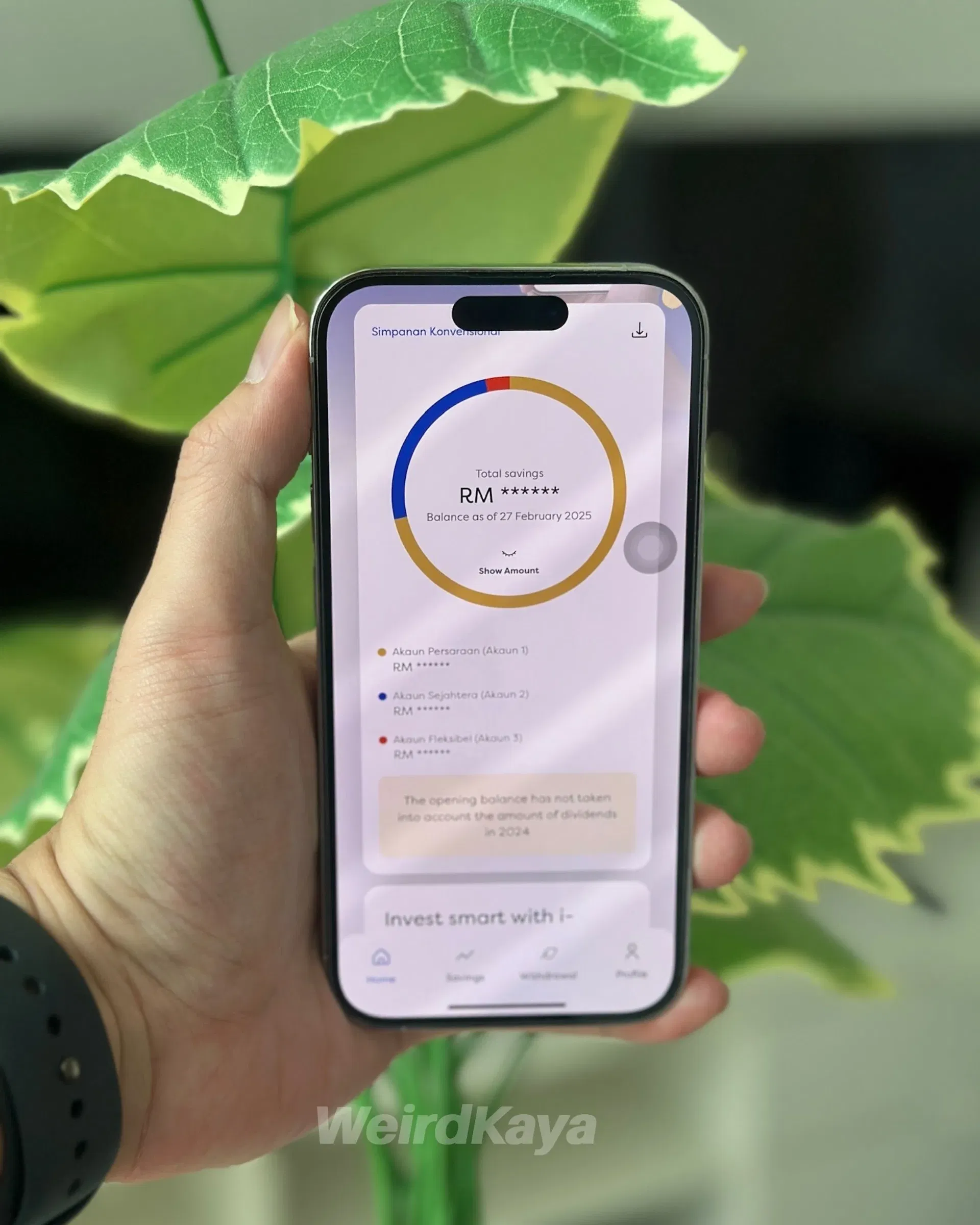
Knowing your number is the first step to improving it.
Action: Log into your EPF account and see where you stand. Adjust if needed.
30 | What it all means
This is when the results become visible.
At 30, the impact of your decisions becomes clearer. The habits you built start to show in your savings, debt levels, and overall stability.
It is not about being perfect. Life happens, and not everything goes according to plan.
But small, consistent decisions over time make a real difference.
Final takeaway
You do not need to do everything at once.
Pick one habit that applies to you right now and start there.
Because your twenties are not defined by one big decision. They are shaped by small choices that add up over time.