

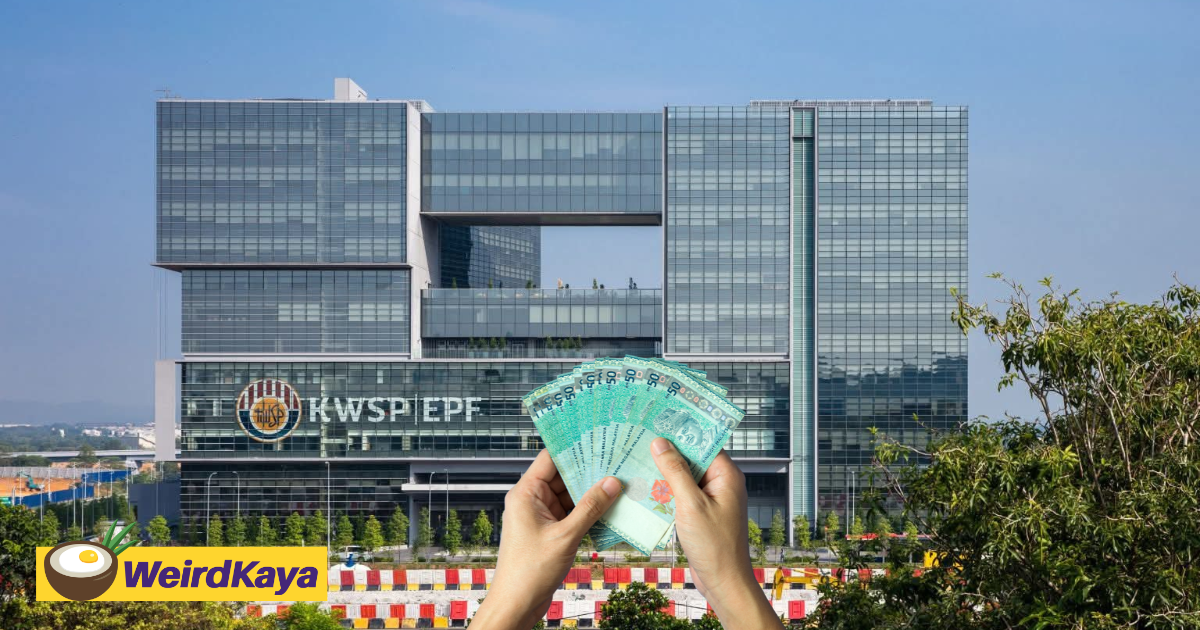
For many Malaysians, EPF is the money we see deducted from our salary every month but rarely think about until retirement gets closer.
With 2027 approaching, several announcements could affect how members build their savings and use their accounts, from medical protection to automatic registration at 18.
Here are five things to know, including what the figures actually mean for your money.
1. Members below 55 allowed to pay MediAsas premiums using Account 2
Under Budget 2027, EPF members aged below 55 will be allowed to use savings in their Akaun Sejahtera, previously known as Account 2, to pay premiums for MediAsas.

The medical insurance and takaful plan is scheduled to launch in January 2027. It is intended to make basic medical protection more affordable, with hospital charges structured according to diagnosis and treatment categories.
For members, this means having another way to pay for medical coverage using their existing savings. The announcement specifically covers MediAsas premiums, so readers should check the scheme’s eligibility and terms when it launches.
Bank Negara Malaysia describes MediAsas as a voluntary plan and says its final product features and pricing will be published at the nationwide launch.
2. Basic Savings benchmark will rise to RM300,000 at age 60
From January 1, 2027, EPF’s Basic Savings benchmark at age 60 will increase to RM300,000, up from RM270,000 in 2026.
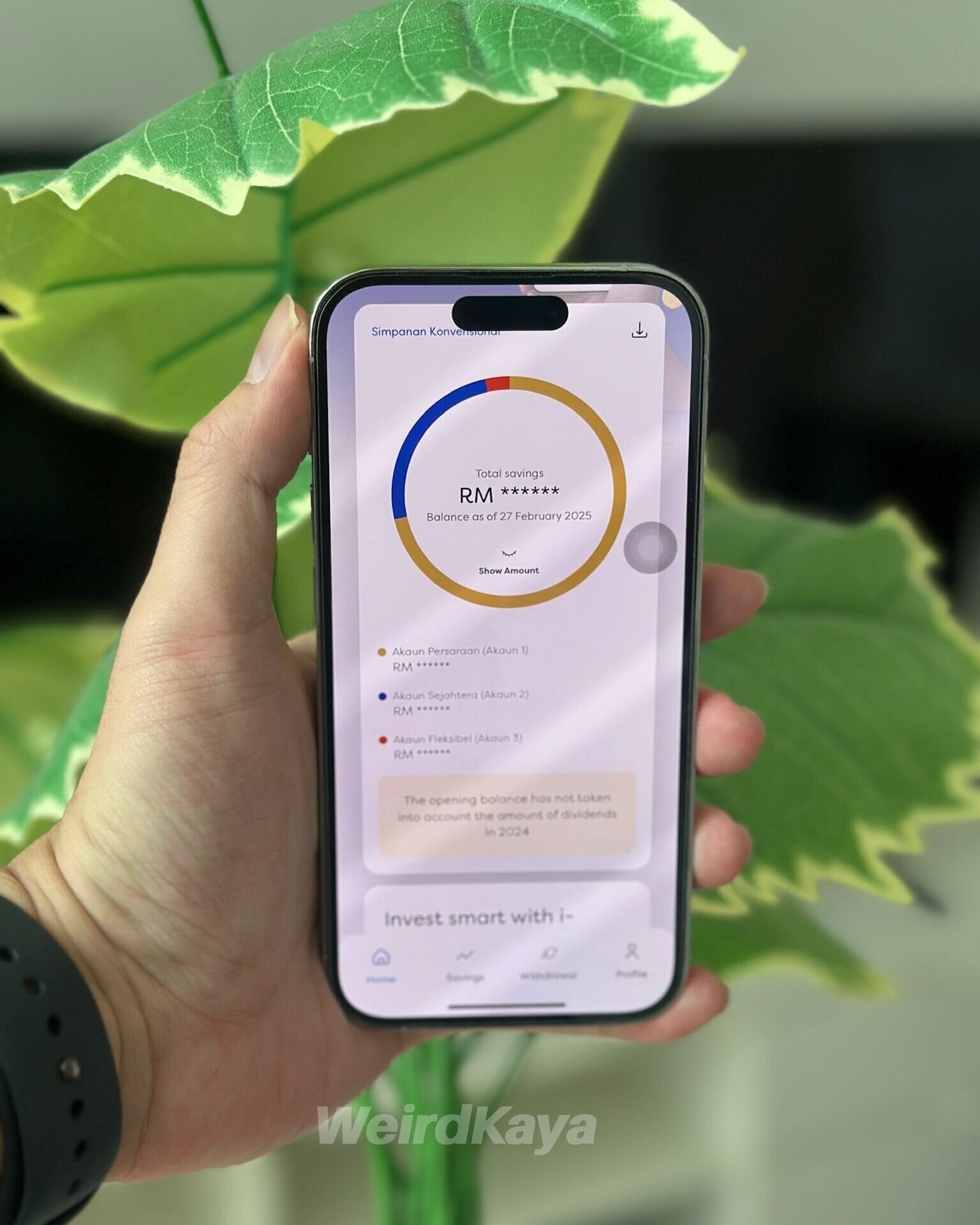
This forms part of a gradual increase under its Retirement Income Adequacy Framework, with the benchmark scheduled to reach RM390,000 in 2030. It serves as a reference for retirement savings adequacy, rather than a new sum every member must immediately deposit.
Separately, the savings threshold for the excess savings withdrawal facility will rise to RM1.2 million in 2027.
This facility allows eligible members below 55 to withdraw the portion of their savings above the threshold. RM1.2 million is therefore the amount that savings must exceed, rather than the amount members can withdraw.
For example, a member with RM1.25 million would have RM50,000 above the 2027 threshold, subject to EPF’s applicable conditions.
3. RM2,000 salary would mean RM480 in combined monthly EPF contributions
The government announced that the minimum wage will increase from RM1,700 to RM2,000 from June 2027.
However, the Budget announcement provides an exemption for micro, small and medium enterprises with annual sales below RM50 million.
For a Malaysian employee below 60 earning exactly RM2,000 a month, the current standard EPF contribution rates would produce this breakdown:
| Contributor | Monthly contribution |
|---|---|
| Employee, at 11% | RM220 |
| Employer, at 13% | RM260 |
| Total credited to EPF | RM480 |
The RM480 includes both the employee’s and employer’s shares. The employee’s EPF salary deduction in this example would be RM220.
The figure also should not be described as a universal minimum contribution for every member, as contribution requirements vary by age, nationality and wages.
4. M’sians will be automatically registered as EPF members at 18
Budget 2027 also announced automatic EPF membership registration for Malaysian citizens when they turn 18.

The move aims to give young Malaysians earlier access to the retirement savings system and encourage them to start building their savings sooner.
However, automatic registration should not be mistaken for an automatic cash payment. Having an account and having money contributed into it are separate things.
The announcement confirms registration at 18, but the cited EPF statement does not specify an exact implementation date.
5. Existing age 55 and 60 withdrawal provisions remain
The existing EPF withdrawal provisions continue to cover ages 55 and 60.

Under EPF’s legal framework, members can withdraw all or part of their eligible savings upon reaching 55. Contributions credited after they turn 55 are subject to the age 60 withdrawal provision.
EPF’s October 2026 statement also continues to refer to withdrawals at both ages. It highlights the option of monthly payments through i-Emas, with savings left in EPF continuing to earn annual dividends.
So, while there are changes to savings benchmarks and new initiatives on the way, these announcements do not establish a new blanket withdrawal age of 65.