

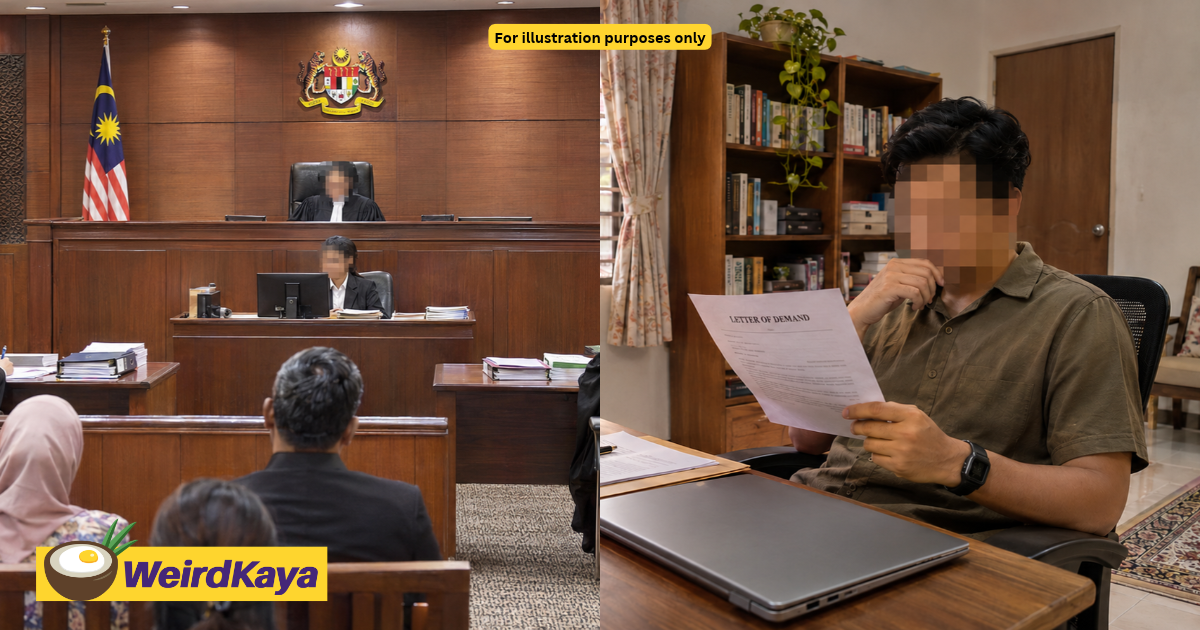
Receiving a letter of demand can be stressful, especially when it involves money someone claims you owe.
But if your first thought is to put it aside and hope the problem disappears, a Malaysian lawyer has warned that staying silent could make things harder later.
In a Threads post, lawyer M. Arif Azmi, who identifies himself as the managing partner of Messrs Arif Azmi & Co, explained why a Letter of Demand (LOD), or surat tuntutan, should be taken seriously.
What exactly is a letter of demand?

According to Arif, an LOD is a formal demand that can come before someone takes a dispute to court.
It typically sets out what the sender is claiming and what they want the recipient to do, such as settling an alleged outstanding debt.
Arif explained that recipients are often given a deadline, such as seven or 14 days, to respond or fulfil the demand. If the matter remains unresolved, the sender may proceed with legal action.
However, receiving an LOD does not mean a court has decided that you owe the money. It states the sender’s claim, which would still need to be proven if disputed in court.
The seven or 14 days stated in an ordinary LOD are also generally the sender’s requested deadline, rather than a universal deadline fixed by law. Different rules may apply if the letter also serves as a contractual or statutory notice.
Staying silent could work against you
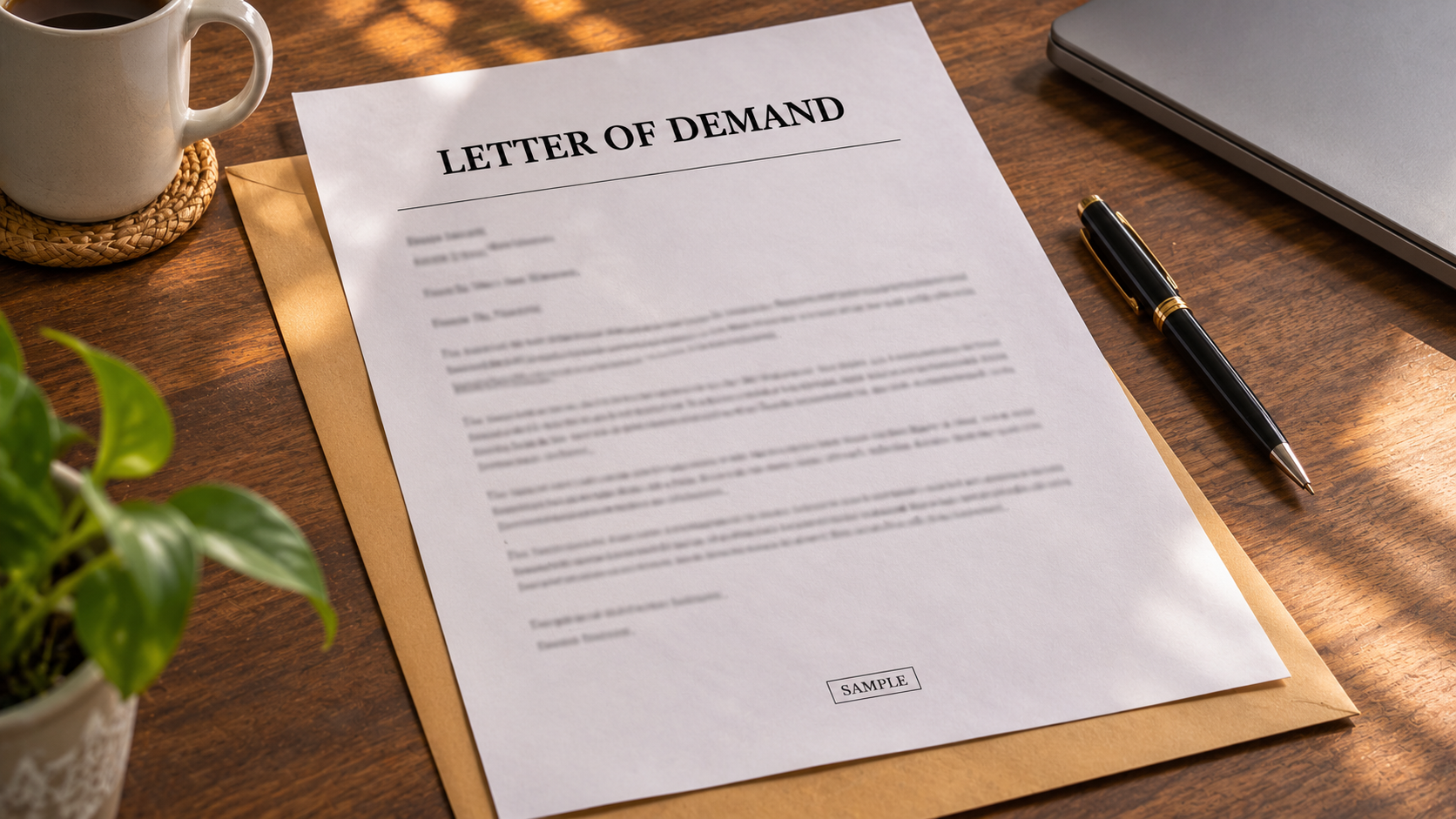
Arif warned that ignoring a demand could affect how a dispute is viewed if it eventually reaches court.
In his post, he cited M & A Securities Sdn Bhd v Wong Mun Hoo and Multi Network Sdn Bhd & Anor v Pembinaan Jari Jaya Sdn Bhd, discussing how unanswered demands can count against recipients, particularly in commercial disputes.
However, not replying does not automatically mean you have admitted the debt or lost the case.
As explained by law firm Tai & Khan Partnership, a court may consider the failure to respond alongside the surrounding facts. In a business dispute, silence can weigh against a recipient who later challenges the claim.
That makes raising a genuine dispute early potentially important, rather than waiting until court proceedings begin.
Senders also need to get their facts right
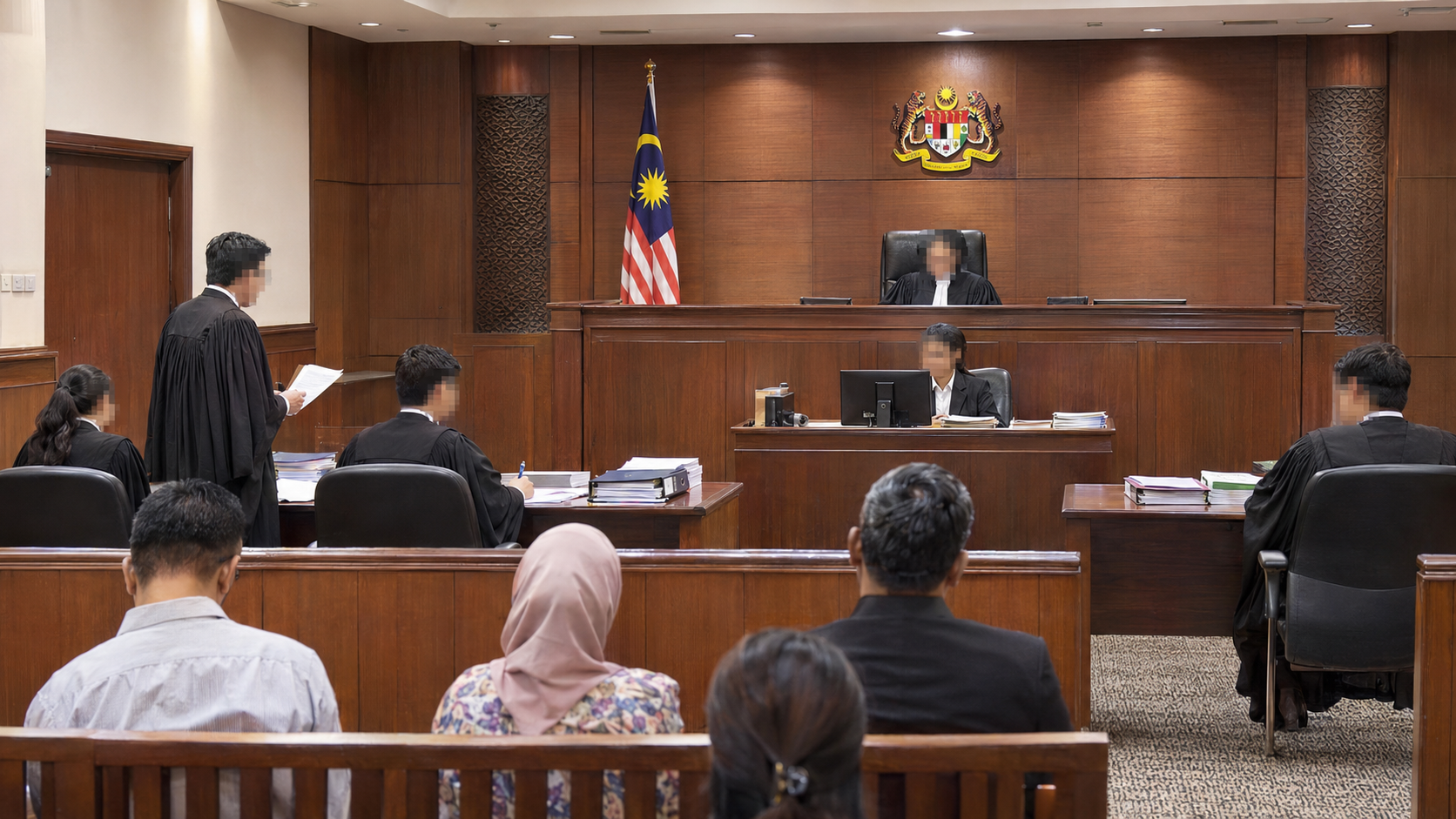
Arif’s reminder was not only directed at people receiving demand letters. He also highlighted that issuing an inaccurate demand can have consequences.
He referred to Saharudin Abd Jabar v Bank Islam Malaysia Berhad, a case involving a demand letter sent to the wrong address.
According to BIMB Holdings’ financial disclosure, the plaintiff alleged that a third party opened the letter and that he suffered harm as a result.
The High Court partially allowed his claims in October 2015, awarding RM50,000 in damages and RM30,000 in costs. His subsequent appeal over the amount awarded was dismissed in June 2016.
The case highlights why senders should also take care over a demand’s contents and where it is sent.
What should you do if you receive one?
Arif encouraged recipients to consult a lawyer promptly to understand whether they should settle, negotiate or dispute the demand.
Law firm Donovan & Ho similarly advises recipients to read the letter carefully and check the facts and figures before responding.
If the amount is disputed, the response should explain that position. If the debt is accepted, the recipient can propose a settlement arrangement, although the creditor does not have to agree to an instalment plan.
It also helps to gather relevant agreements, receipts, bank records and messages so that the claim can be checked properly.
Take the letter seriously, but do not assume every allegation in it is correct. Getting advice before replying can help you address the demand without accidentally making admissions that affect your defence later.