

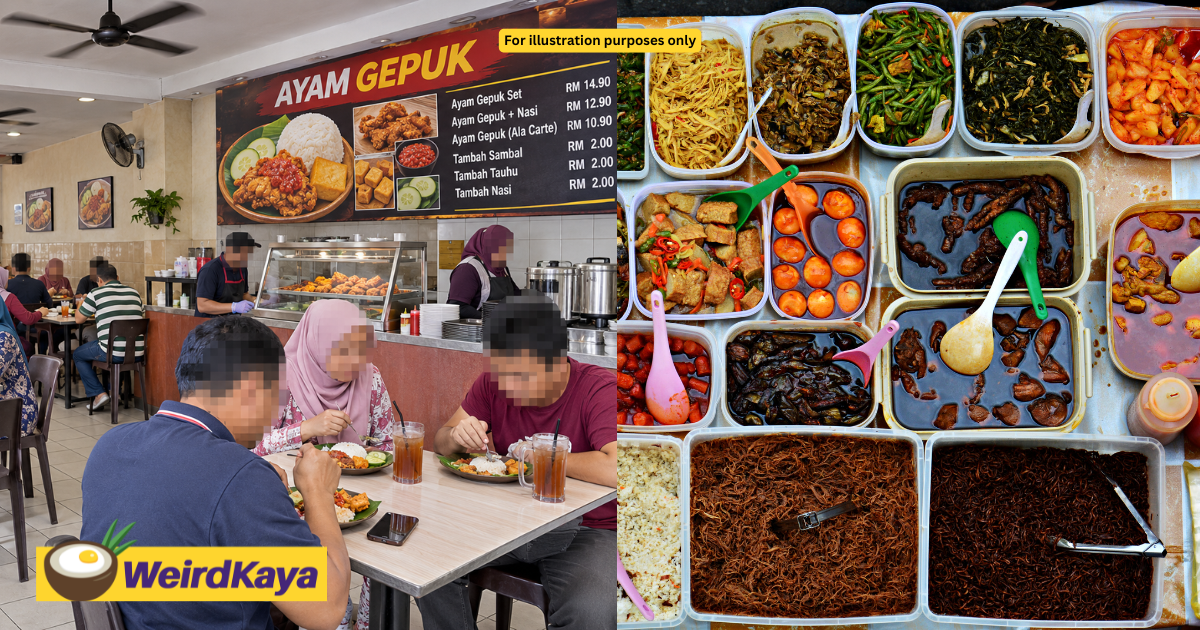
For many Malaysians, a plate of ayam gepuk is an easy choice when craving something spicy and satisfying.
But one Threads user isn’t quite as excited about the growing number of shops serving the Indonesian dish, expressing concern that local Malay cuisine could end up being overshadowed.
Disappointed by businesses jumping on the ayam gepuk trend

In the post, the user apologised upfront to ayam gepuk shop owners who might take offence before sharing their frustration.
I’m sorry if any ayam gepuk shop owners feel offended by what I’m saying. I feel disappointed seeing Malays rushing to open ayam gepuk shops and add ayam gepuk to their menus.”
For the user, the concern went beyond what people were having for lunch. They worried that the enthusiasm for selling the dish could come at the expense of Malaysia’s own food identity.
The user also compared the situation with Indonesia, claiming that the same enthusiasm for selling Malaysian Malay food wasn’t apparent there.
Over in Indonesia, you don’t see people taking the same pride in selling our Malay food,” they claimed.
‘Don’t lose our identity’
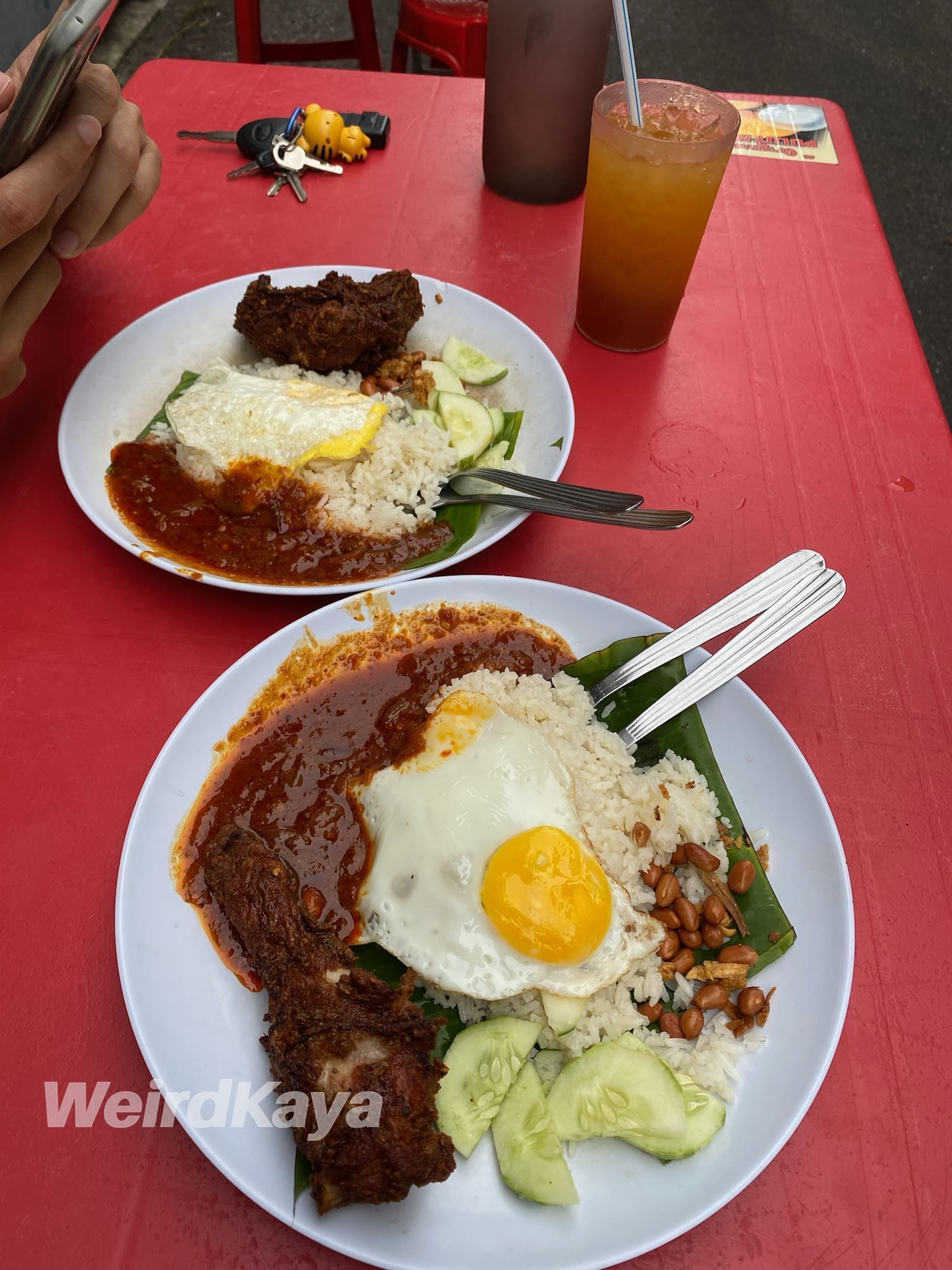
Despite their disappointment, the user acknowledged that business owners were responding to what customers wanted.
Still, they felt the dish had become overwhelmingly common.
Yes, I understand the current market, but I don’t know. Ayam gepuk is everywhere in Malaysia. Don’t let us lose our identity.”
Others share similar concerns
The comments featured in the report included several users who agreed with the sentiment.
One said they had never been keen on the ayam gepuk craze, arguing that Malay cuisine deserved greater appreciation for the care and artistry involved in its preparation.
Another commenter, who identified themselves as Indonesian, also felt there were too many ayam gepuk shops, criticising the taste and prices of the options they had encountered.
Meanwhile, one user claimed the dish had become so widespread that foreigners could mistake it for Malaysian food.
“It’s always ayam gepuk, to the point that even foreigners think it’s a local Malaysian dish.”