

For many women, the confinement period after childbirth is already physically and emotionally exhausting.
But for one Malaysian woman, what was supposed to be a time of recovery allegedly became a painful memory after she claimed her mother-in-law charged RM3,000 to let her stay and recover at her home.
Had no choice but to stay at MIL’s house
According to the woman, the incident happened during the Covid-19 period, when she had just given birth to her first child.
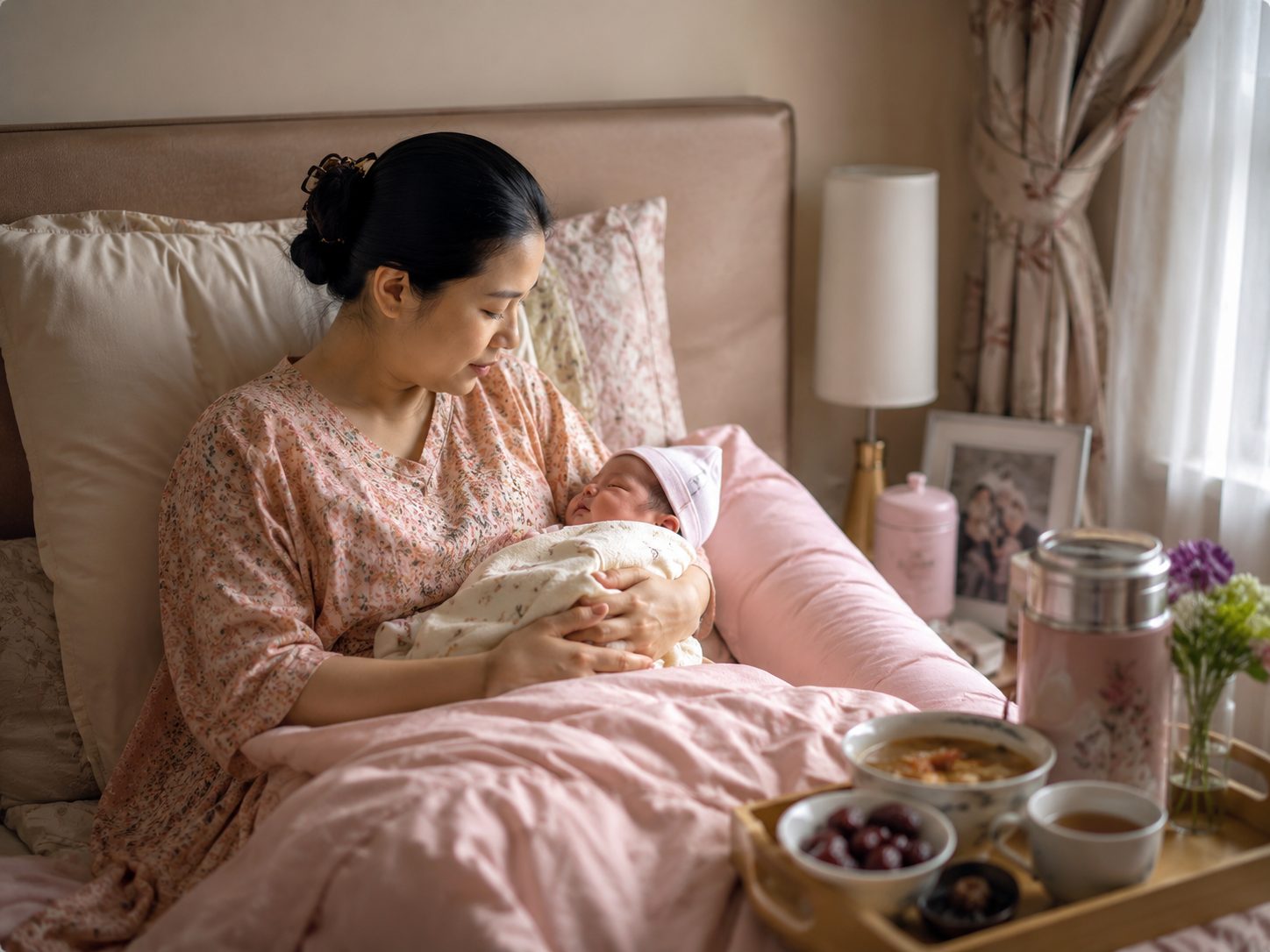
At the time, she had undergone surgery, her husband was working far away, and she did not have parents to turn to.
Because of this, she said she had no choice but to spend her 30-day confinement period at her mother-in-law’s house.
However, instead of receiving support, she claimed her mother-in-law made a hurtful remark about her situation.
She said, ‘Already no parents, now you come and trouble me,’” the woman wrote.
MIL allegedly charged RM3,000
The woman then claimed that her mother-in-law took RM3,000 from her husband as payment for the confinement period.

According to her, the reason given was that it was only fair to pay, since she was being cared for and allowed to stay there.
However, the woman alleged that despite the payment, her mother-in-law did not help much with the baby.
She claimed she had to bathe and care for her child on her own, while her mother-in-law only cooked for her.
Even after paying RM3,000, she never once helped bathe my child. I did everything myself. She only cooked,” she said.
Years later, MIL suffered stroke
Fast forward to 2026, the woman said her mother-in-law has since suffered a stroke and now needs someone to care for her.
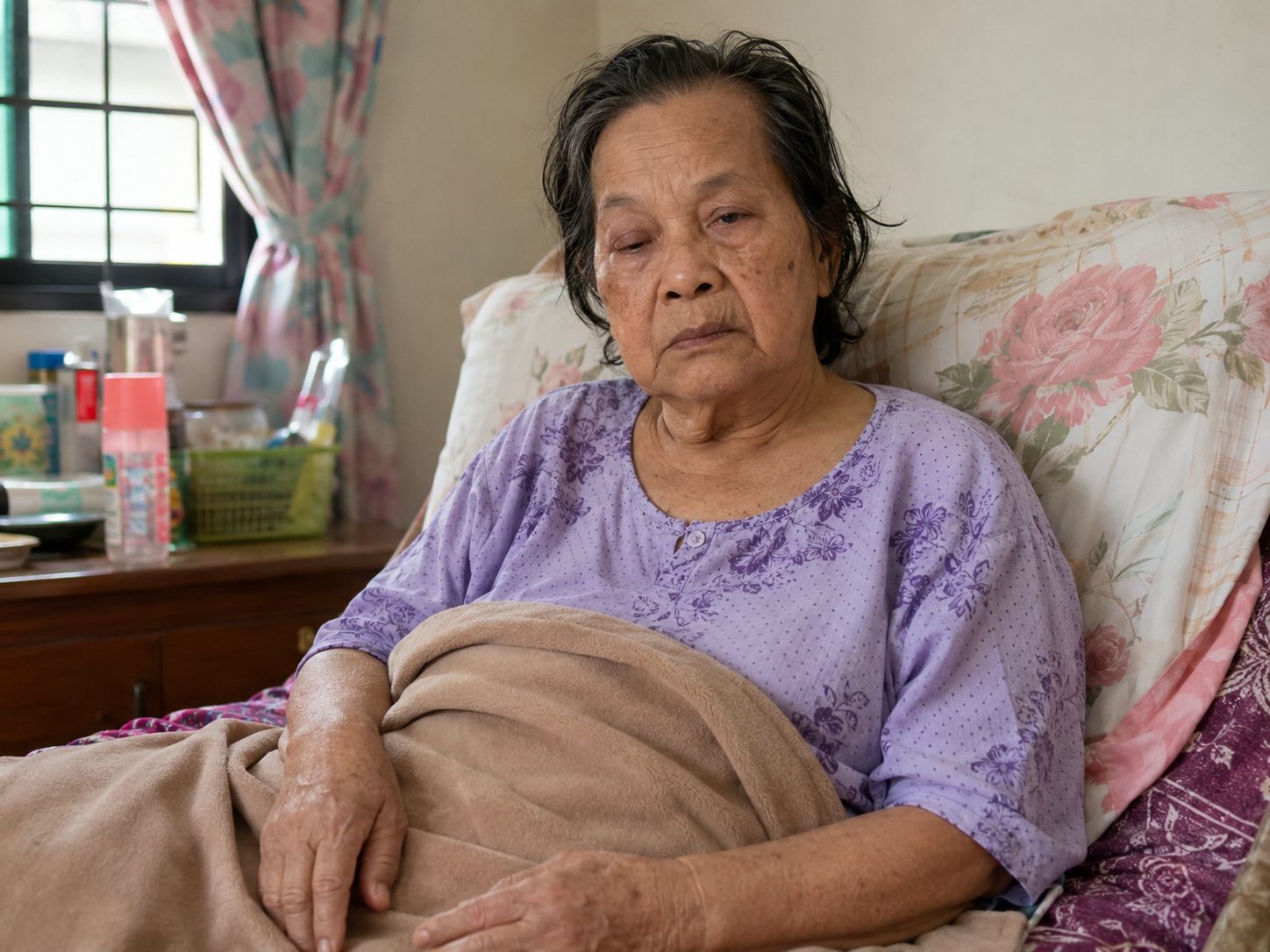
However, she claimed that her husband’s siblings were unwilling to take on the responsibility, saying they were busy with work.
The woman alleged that the family then suggested passing the caregiving responsibility to her husband, with some saying that since she was a housewife and did not work, she could look after her mother-in-law.
But the woman refused.
She said that when she was in need years ago, she was treated as a burden and was even charged for help. Because of that, she felt it was only fair for her to set the same condition now.
Asked for RM3K a month to care for MIL
The woman said she told her in-laws that she would only agree to care for her mother-in-law if she was paid RM3,000 per month.
According to her, everyone immediately went silent after hearing her condition.
She also pointed out that during her confinement, her mother-in-law had charged her despite the baby being her own grandchild.
Now that the situation had reversed, she questioned why the responsibility should fall on her for free.
I’m the same too. I want payment because she’s not my mother,” she wrote.
The woman added that her husband later told his siblings to chip in together, but they allegedly claimed they had no money.
She felt the issue was not that they could not afford it, but that no one wanted to spend money or take responsibility.
She also suggested that the siblings rotate every two weeks to care for their mother, but claimed no one agreed to it.
‘It’s not easy to care for a stroke patient’
In another post, the woman defended her decision and said caregiving is not something simple.
She said taking care of a stroke patient requires time, energy, patience, and emotional strength.
“Don’t tell me to care for her sincerely. It’s not easy to look after a stroke patient. Those who know, know,” she wrote.
She added that she was setting the condition early so there would be no misunderstanding later.
The woman also said she would have been willing to help if her mother-in-law had treated her well in the past instead of making her feel like an outsider.
“If she had treated me well when she was healthy and didn’t make me an enemy, I would be okay with caring for her,” she said.
Netizens divided
The post has since sparked mixed reactions online.
Some netizens supported the woman, saying caregiving should not automatically fall on the daughter-in-law, especially when the biological children were unwilling to step up.
Others said that while the past may have hurt her, caring for an elderly person should still be handled with compassion.
However, many agreed that looking after a sick elderly person is a huge responsibility and should not be taken lightly or pushed onto one person simply because they are a housewife.