

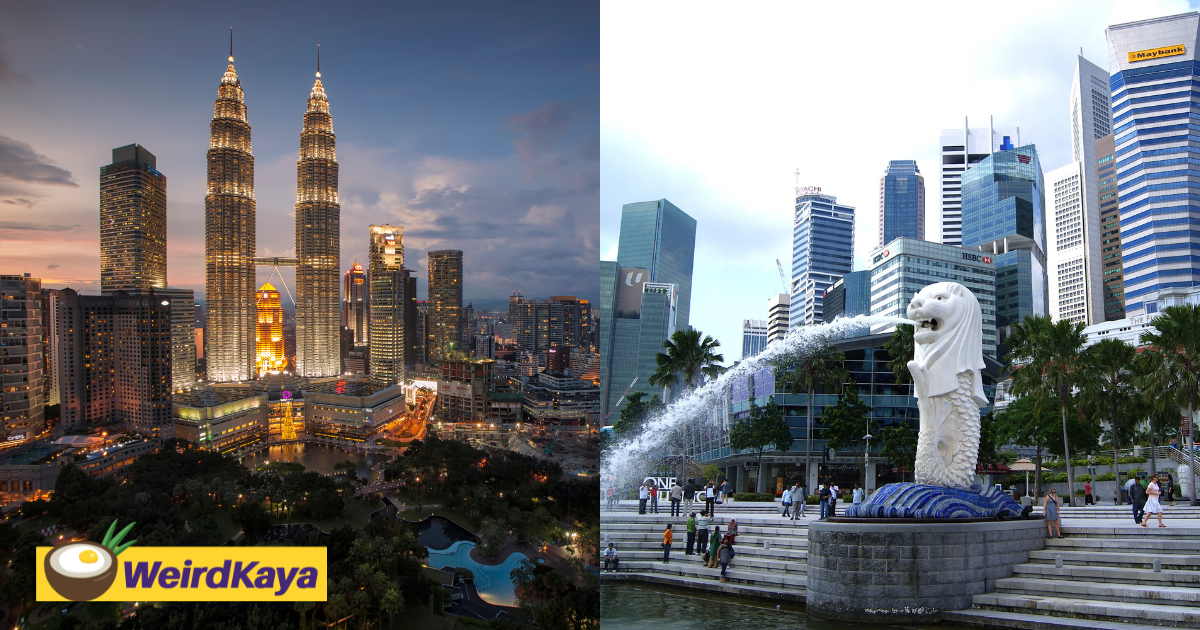
Despite its many flaws, there’s still plenty to be thankful for as a Malaysian as we live in a country that’s relatively safe from natural disasters and wars, and of course, bursting with mouthwatering local cuisines we get to enjoy.
In a recent study, it proved that being a Malaysian is probably one of the best things to happen to anyone as it was ranked the third best country in the world to live in.

M’sia at 3rd place, S’pore 2nd
According to the Rumavi Global Relocation Index 2026, Malaysia was ranked third in its ‘Best Countries to Live in 2026’ list by achieving a score of 72 out of 100, where it was one spot behind Singapore (72.6).
In its description of Malaysia, Rumavi commended the country for its ease of living and high comfort for digital nomads and retirees thanks to “exceptional affordability and favourable foreign income tax treatment”.
However, it raised a red flag on Malaysia’s rule of law, writing: “Concerns around rule of law and street safety warrant consideration, particularly for entrepreneurs exploring business opportunities.”
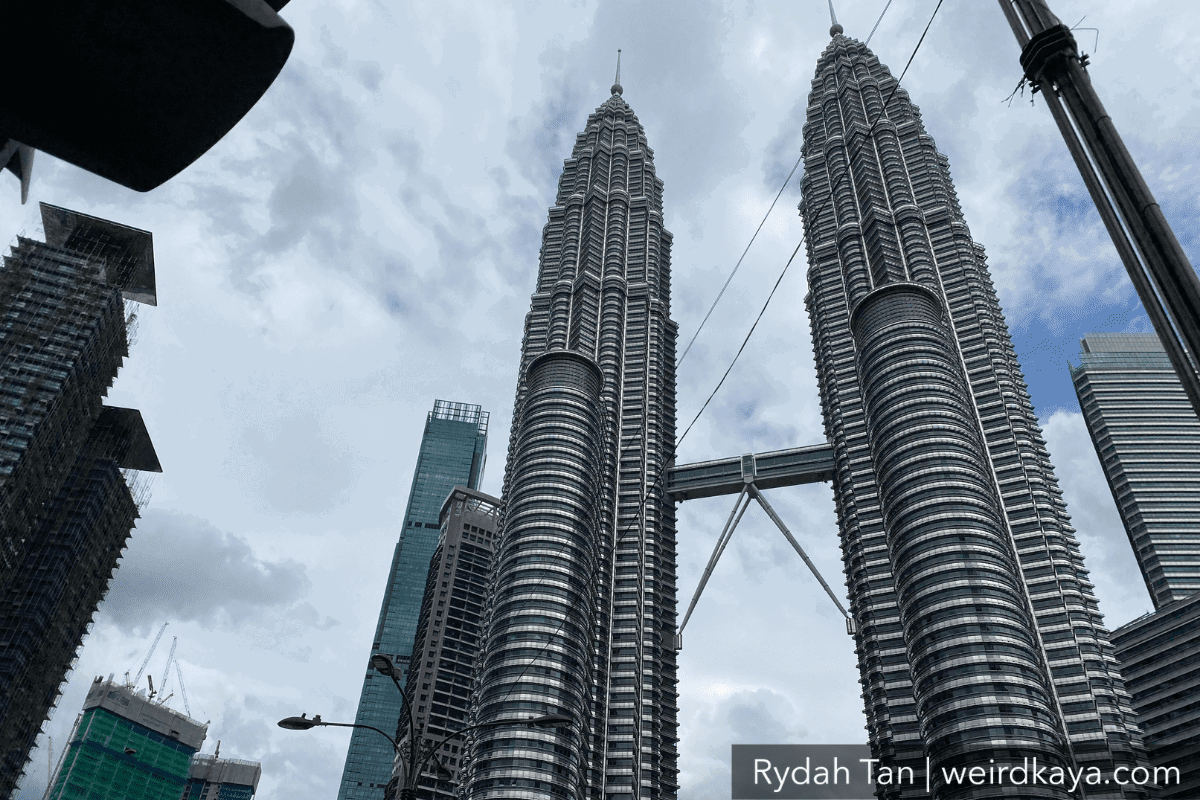
As for other ASEAN countries, here’s how they fared on the list along with their score:
- Brunei #15 (69.3)
- Thailand #28 (68.1)
- The Philippines #66 (63.9)
- Vietnam #69 (63.6)
- Indonesia #84 (62.4)
- Cambodia #93 (61.4)
- Laos #120 (59)
- Timor Leste #138 (55.1)
- Myanmar #175 (47.9)
How the list’s made
Rumavi explained that the list ranks 192 countries based on 24 different factors, including affordability, healthcare, quality of life, safety, political stability, infrastructure, visas and opportunities.
It added that the ranking focuses on which location is best for one to build a life for themselves, rather than on how easy it is to secure a passport.
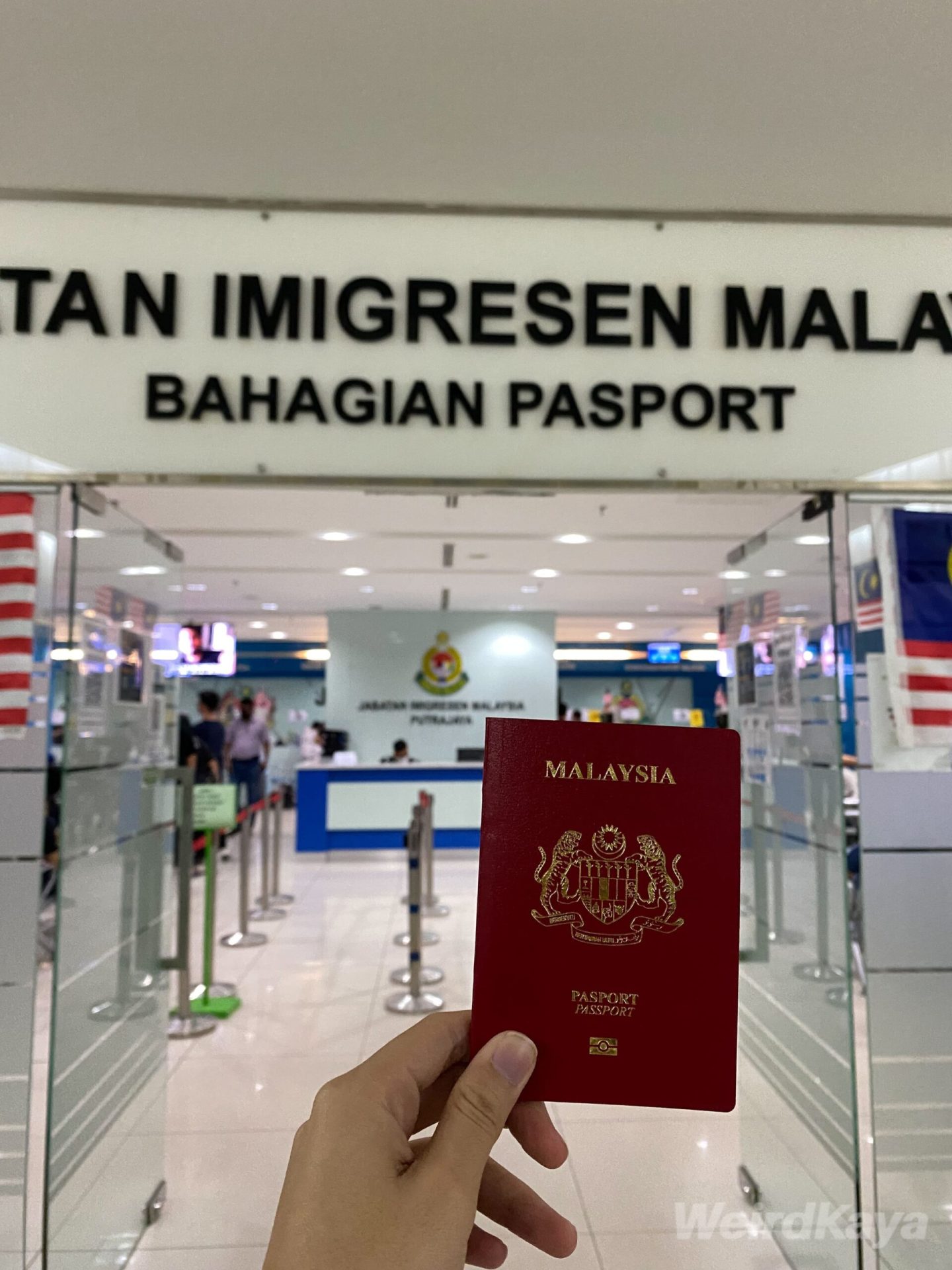
It also revealed the four “pillars” used in the ranking, which are:
- Financial and tax: affordability (cost of living), income tax, foreign-income treatment, capital and wealth tax, currency and banking
- Livability and health: healthcare quality and access cost, housing affordability, air quality, climate comfort, climate risk, green space, digital infrastructure
- Safety and stability: street safety, rule of law, political stability, conflict risk, property rights for non-citizens
- Settling and opportunity: visa ease, path to permanence, education, business opportunity, language and English access, startup ecosystem
However, Rumavi acknowledged that only 127 countries on the list have “strong to full coverage across institutional metrics”, while the remaining 65 have lower confidence ratings, which “should be read as directional rather than authoritative.”
What do you think of the ranking? Share your thoughts with us!
READ ALSO: