
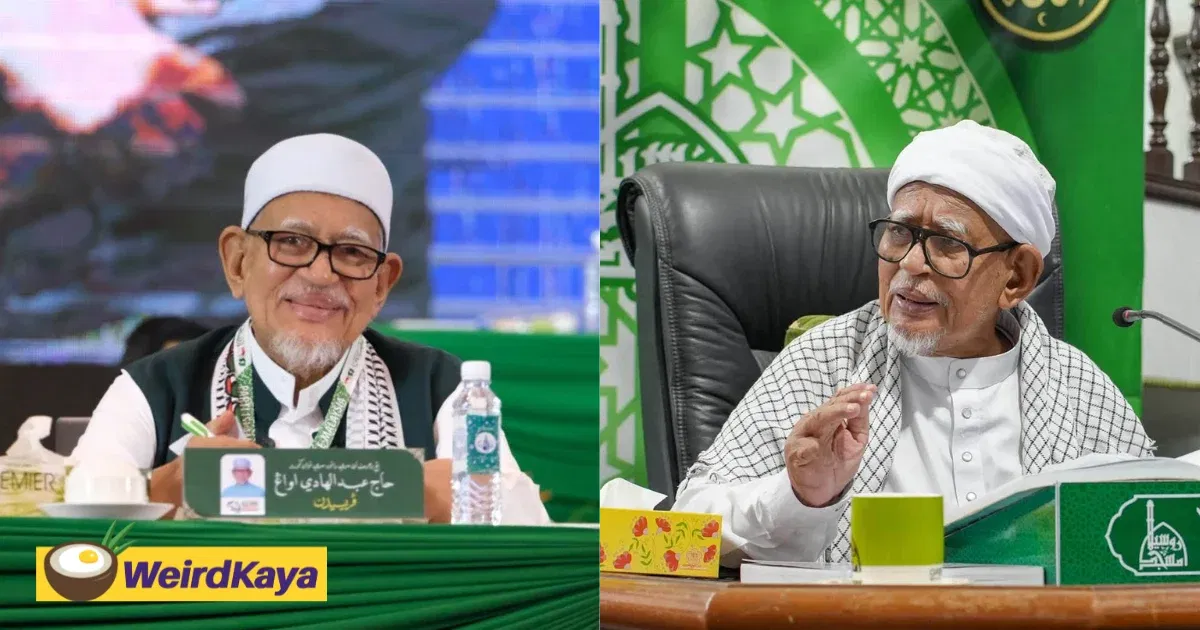
PAS president Tan Sri Abdul Hadi Awang has claimed that Muslims are less involved in corruption than non-Muslims because their faith discourages them from committing such acts.
Hadi made the remarks in a Minda Presiden PAS statement titled “Isu Rasuah: Hukum Islam Ditinggalkan, Melayu Islam Dijadikan Sasaran” yesterday (Aug 20).
In the statement, Hadi argued that Islam not only treats corruption as an offence under worldly laws, but also as a sin for which those involved will be held accountable in the afterlife.

He said this religious belief acts as a deterrent for Muslims.
Muslims are less involved due to faith
Hadi claimed that Muslims involved in corruption are “not as many” as non-Muslims because they are restrained by their faith and belief in sin and divine punishment.
He added that even if someone escapes punishment under human laws, Muslims believe they will still be held accountable after death.
Hadi further claimed that only Muslims with weak faith become involved in corruption, while many Malay Muslims who still strongly practise their faith would find it difficult to engage in such activities.
However, he did not provide statistical evidence in the statement to support the comparison between Muslims and non-Muslims.
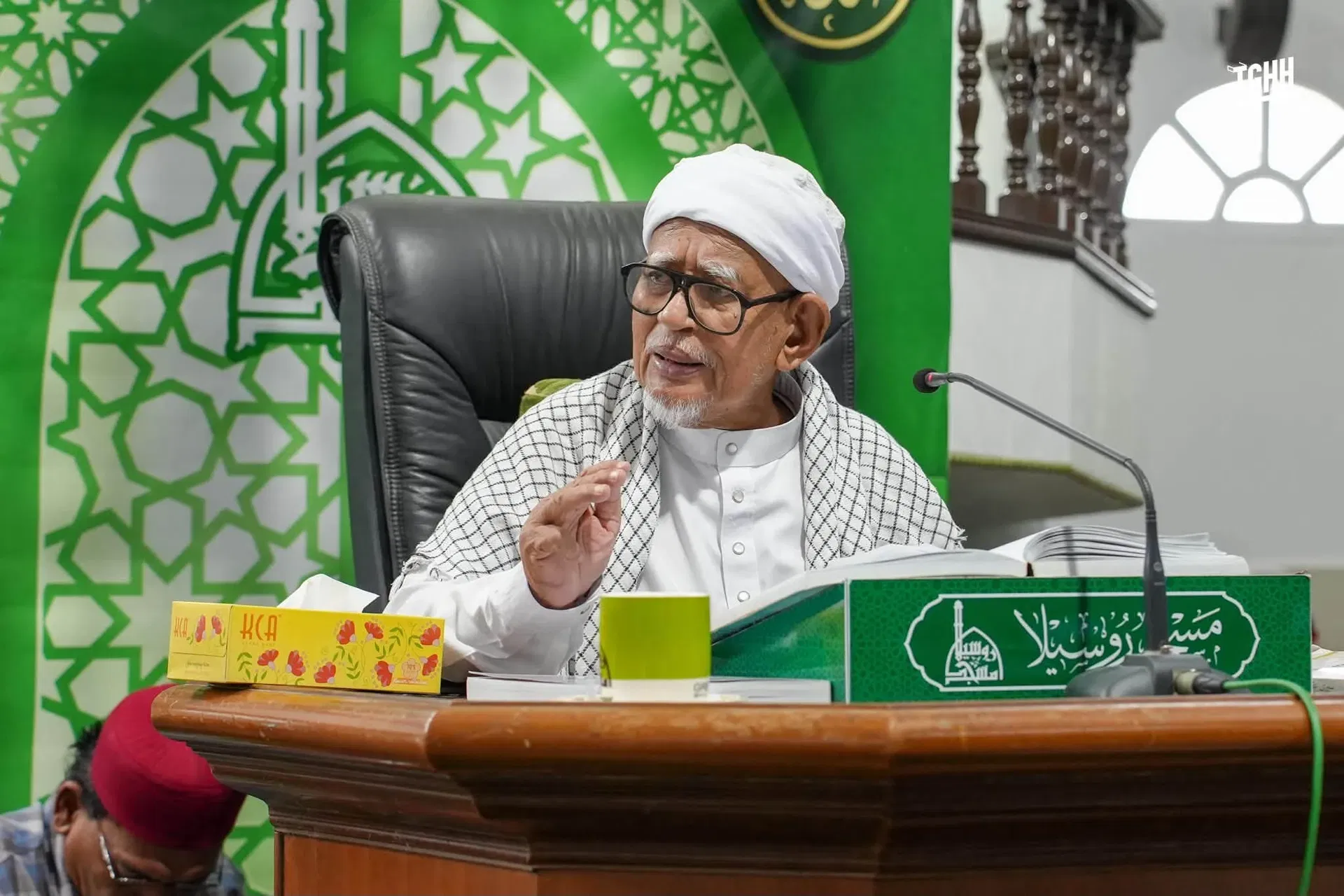
Says ‘honest’ statistics would show higher non-Muslim involvement
Hadi went further by claiming that if an “honest” statistical assessment were conducted, the number of non-Muslims involved in corruption would be greater.
He argued that Muslims are protected by their religious belief in sin and reward, whereas he characterised non-Muslims as having beliefs limited to worldly consequences.
He also alleged that non-Muslims involved in business make up a significant number of those who give bribes or act as middlemen in corruption.
Again, no figures or independent data were cited in the statement to support these claims.
Claims bribe givers and middlemen escape action
Hadi also criticised Malaysia’s handling of corruption cases, claiming enforcement was sometimes selective.

He alleged that action is often taken against recipients of bribes while bribe givers and middlemen are allowed to escape punishment.
According to Hadi, these groups include cartels, illegal traders and smugglers, whom he claimed are predominantly non-Muslim and economically influential.
He argued that action should instead be taken against everyone involved in corruption, including the giver, receiver and intermediary.
Says Tabung Haji was targeted over Islamic identity
The PAS president also addressed controversies involving Islamic financial institutions.
Hadi acknowledged that wrongdoing and misconduct can occur within Islamic institutions but claimed that problems involving other government linked companies and businesses were greater and were being “swept under the carpet”.
He alleged that Tabung Haji had been made a major issue because of its Islamic branding, claiming that the misconduct of a small number of individuals was being amplified in order to tarnish the image of Malay Muslims.
Claims PAS-governed states are free from corruption
Hadi further claimed that state governments led by PAS, particularly Kelantan throughout more than three decades of PAS rule, had remained free from corruption and misconduct.
He contrasted this with Pakatan Harapan, claiming allegations of misconduct had already emerged within a single term of government.
Hadi accused the government of using the fight against corruption as a political weapon against opponents instead of addressing corruption comprehensively.
Throughout the statement, Hadi argued that Islamic teachings require action to be taken against all parties involved in corruption.
He said corruption should not be selectively investigated based on political affiliation, status or position.
Hadi ended the statement by arguing that corruption cannot be properly addressed when Islamic principles are no longer used as the basis for governance and enforcement.
READ HERE: