

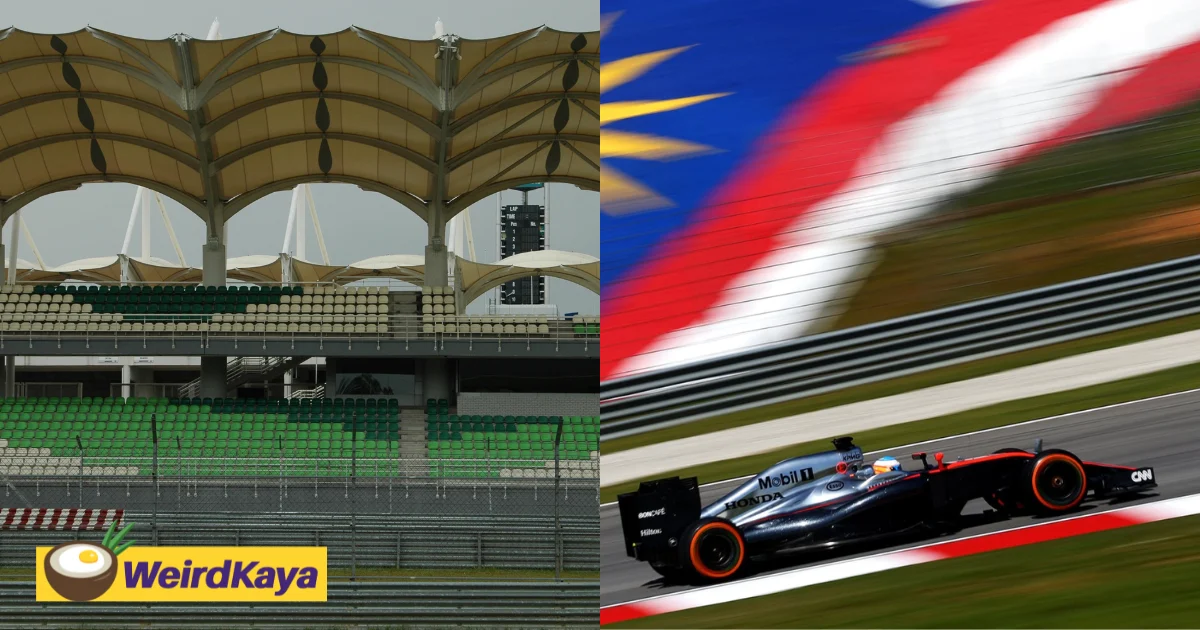
I woke up on Sunday to Prime Minister Anwar Ibrahim announcing that Formula 1 (F1) is returning to Sepang this October, the first F1 race on Malaysian soil since 2017.
But here is the twist that made me do a double take: the race is not called the Malaysian Grand Prix.
It is officially the Formula 1 Gulf Air Bahrain Grand Prix, held at Sepang International Circuit from 2 to 4 October 2026, slotted between the Azerbaijan and Singapore races.
To understand how we got here, you need two stories: why Malaysia stopped hosting F1, and why Bahrain suddenly needed to borrow our circuit.
Part 1: Why Malaysia stopped hosting F1
Sepang hosted F1 for 19 straight seasons from 1999 to 2017, and drivers genuinely loved the place.
Long straights, fast corners, brutal heat and sudden tropical rain made it one of the most unpredictable races on the calendar.
So why did we walk away? Two reasons.
- Ticket sales and TV ratings kept sliding year after year.
- Race organisers reportedly felt shortchanged by the hosting deal signed under Bernie Ecclestone’s Formula One Management.
Malaysia terminated the contract early and gave up its 2018 race. At the time, plenty of people said good riddance.
Then, Drive to Survive happened, F1 exploded globally, and suddenly everyone wanted back in.
The RM300mil wall
Getting back in was never as simple as asking nicely.
When Malaysia explored a return, the numbers presented to Parliament in August 2025 by then Youth and Sports Minister Hannah Yeoh were brutal:
| Cost Item | How Much |
|---|---|
| Annual hosting fee to Liberty Media | ~RM300 million per year |
| Contract length required | 3 to 5 years |
| Total commitment over contract | ~RM1.5 billion |
| Annual circuit upkeep to F1 standards | ~RM10 million per year |
She called F1 something “good to have” but not a national priority, and left the door open only if corporate entities were willing to foot the bill. Remember that last part.
Sepang International Circuit CEO Azhan Shafriman Hanif admitted in 2025 that letting F1 go was a mistake, saying “we let Formula One go and now it is very hard to get it back.”
Part 2: Why Bahrain moved its race to Malaysia
So if the wall was that high, how did F1 end up back at Sepang anyway?
The answer is that Malaysia did not climb the wall. The wall came down on its own, because of a crisis on the other side of the world.
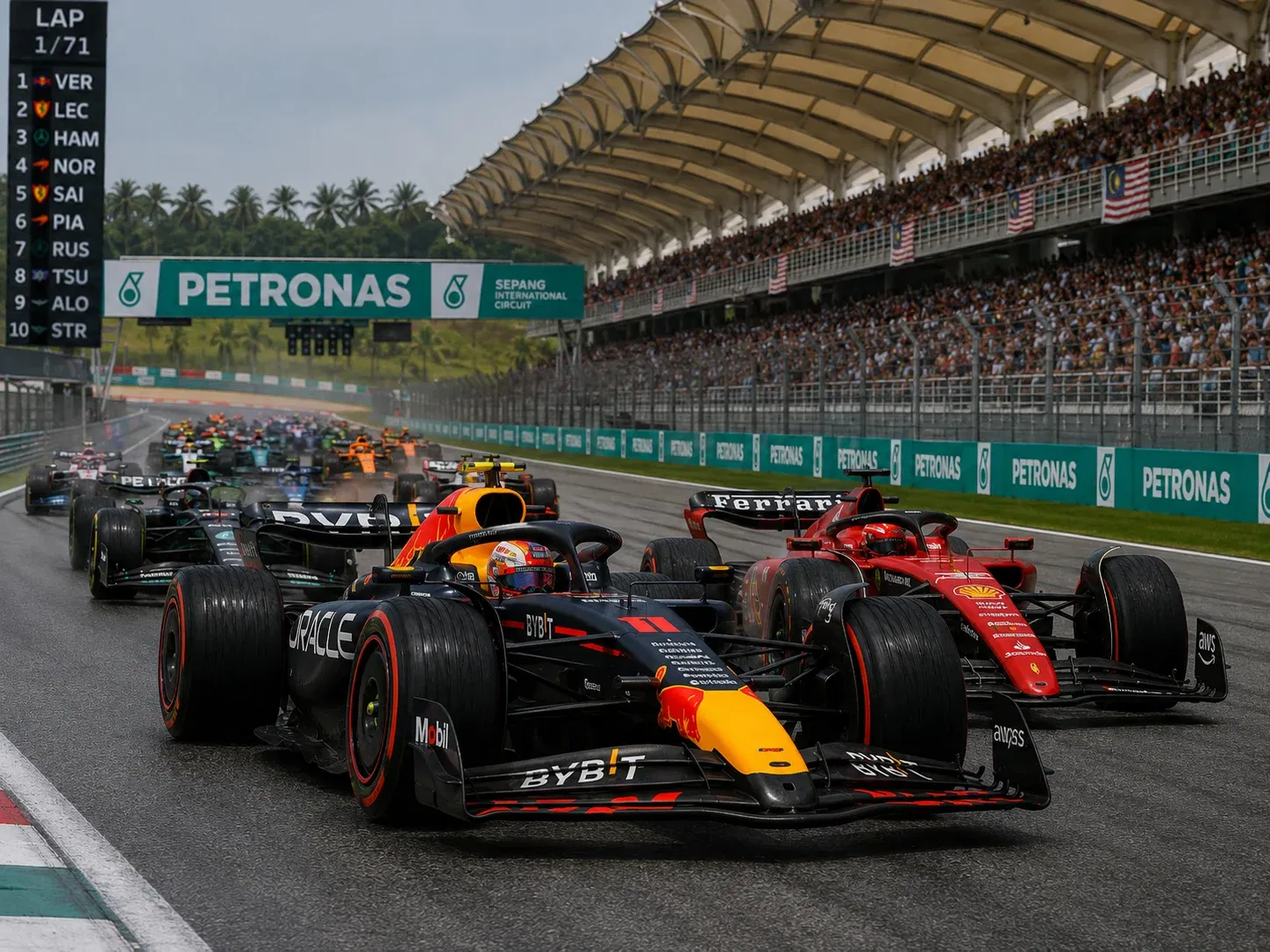
The 2026 F1 calendar originally had four races in the Middle East. The ongoing conflict involving Iran forced the Bahrain and Saudi Arabian Grands Prix off the schedule earlier this year, cutting the calendar from 24 planned races to 22, with question marks still hanging over the season-ending Qatar and Abu Dhabi rounds.
F1 needed races to protect its broadcast commitments, and Bahrain did not want to lose its slot entirely.
Think of it like Bahrain booking Sepang as the venue for its own event, similar to how Azerbaijan hosted the “European Grand Prix” in Baku back in 2016.
According to ESPN, Bahrain is still willing to foot the bill for its Grand Prix.
That single detail changes everything: Malaysia gets a world-class F1 weekend without paying the full RM300 million fee that made the government say no in 2025.
Anwar highlighted that the only financial commitment required is RM16 million annually for track maintenance to meet international standards.
Malaysia was selected due to its peaceful environment, efficient administration, and superior infrastructure.
It fits exactly into the loophole Yeoh left open, someone else pays.
Why Sepang beat everyone else
Bahrain and F1 did not pick Malaysia out of sentiment. The October slot sits right before the Singapore Grand Prix, and Sepang is geographically next door, which solves the freight logistics problem that ruled out a return to Europe.
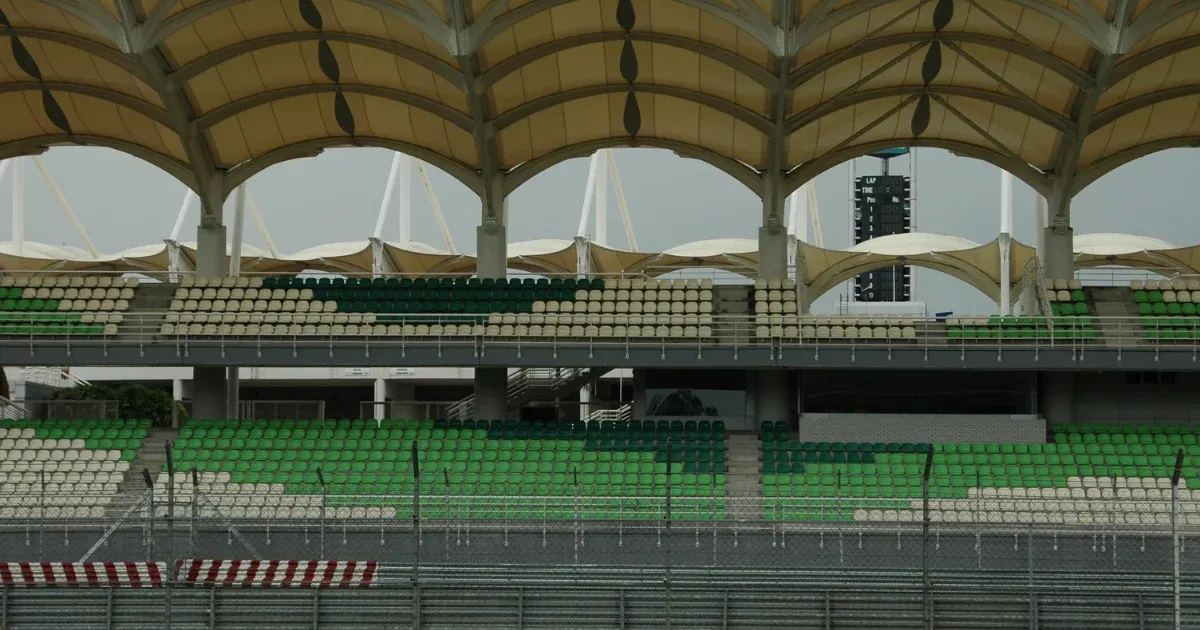
The circuit also sits right beside KLIA, so cars, equipment and personnel can fly in and out fast. And crucially, Sepang never let itself rot: it stayed FIA Grade 1 and has hosted MotoGP and other international series every single year since F1 left.
Turkey and Portimao were floated as alternatives, but logistics made Malaysia the obvious pick.
Why Malaysia’s the biggest winner here
Everyone benefits from this deal, but Malaysia arguably benefits the most.
Bahrain keeps its race, F1 meets its commitments, and Malaysia gets a Formula 1 Grand Prix without paying the usual hosting fee.
As Deputy PM Ahmad Zahid Hamidi noted, Bahrain is footing most of the bill while Malaysia enjoys the economic and global exposure.
Win #1: Free global exposure for Visit Malaysia 2026
The race comes just months before Visit Malaysia 2026 concludes, putting Malaysia in front of millions of F1 viewers worldwide.
Tourism players believe the event could further boost visitor arrivals, giving Malaysia publicity that would normally cost hundreds of millions.
Win #2: A Southeast Asia double header
With Sepang scheduled the week before Singapore, fans can attend both races in one trip.
Malaysia offers a cheaper alternative with lower hotel, food and travel costs, encouraging visitors to spend more time—and money—here.
Win #3: More than just a race weekend
Around 30% of F1 and MotoGP spectators are foreigners, benefiting hotels, airlines, F&B and tourism. Industry groups also want visitors to explore nearby attractions and homestays, spreading tourism revenue beyond the circuit.
Win #4: A risk-free trial for F1’s return
The one-off race serves as a real-world test of whether Formula 1 still makes sense for Malaysia.
If it’s a success, the government gains strong data to negotiate future races. If not, Malaysia walks away with little financial risk while showcasing Sepang’s world-class facilities.
What this means for you
F1 says ticketing info will be announced soon. Expect insane demand since this could be a one-off. Set your alerts and budget early, and only buy from official channels.
A race weekend near KLIA means demand for rooms, rides, food and content. If you run a small business or do e-hailing around Sepang, Putrajaya or Cyberjaya, the first weekend of October is your Super Bowl.
Hype events attract fake ticket sellers fast. No official tickets exist yet as of publishing, so anyone selling “early access” right now is lying to you.
READ ALSO: