
Quitting a job can feel very freeing.
You send the resignation letter, clear your desk, return your laptop and suddenly you’re mentally already at your next job.
But before you disappear from the company group chat forever, there are a few things you should save first.
Not company secrets. Not client databases. And definitely not that confidential Excel sheet your boss guards with their life.
We mean the boring but important stuff that may suddenly become very useful six months later.
1. Your payslips
You may think, “Why would I need my old payslips?”
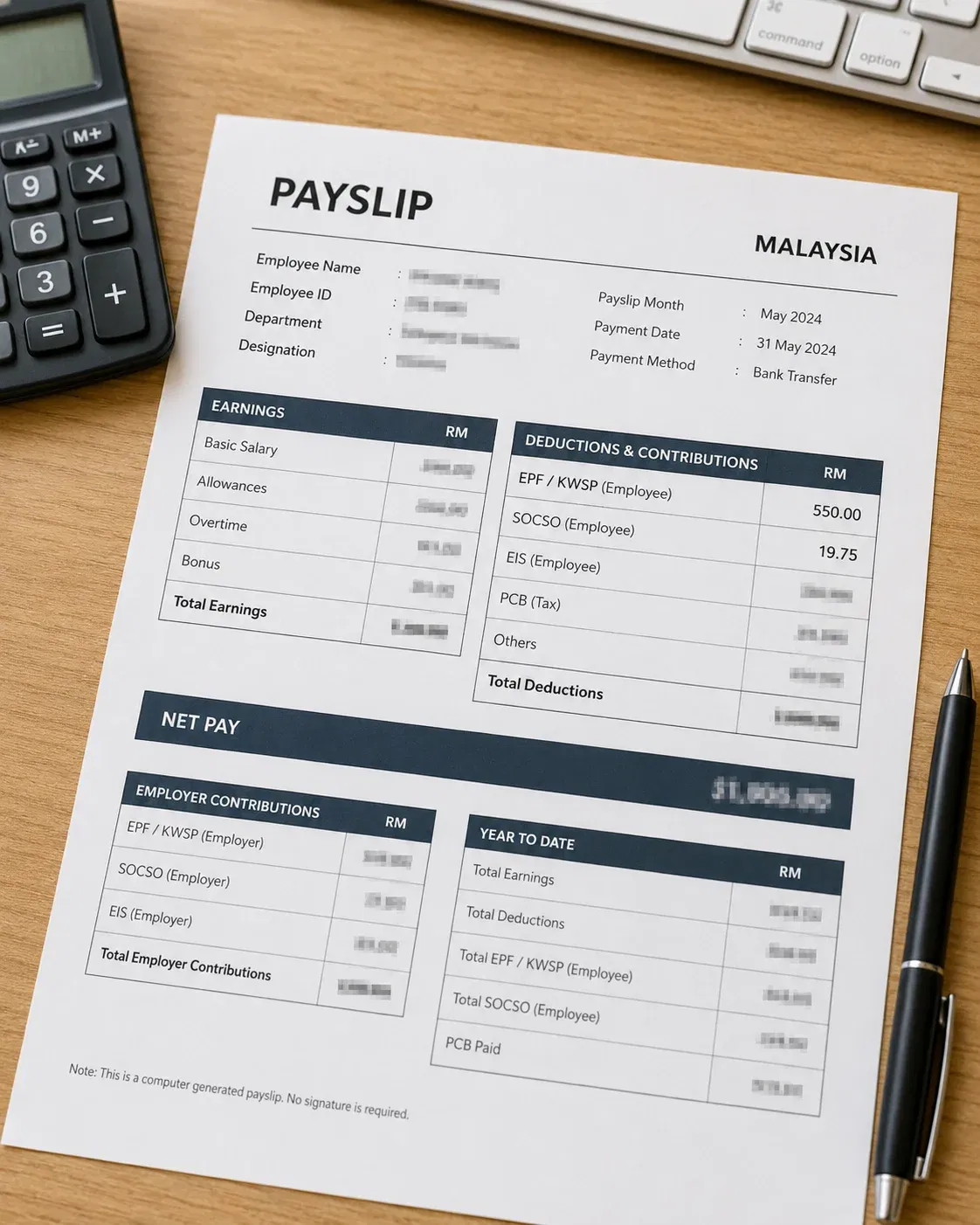
Until your future employer, bank, landlord or loan application asks for proof of income.
If your payslips are only accessible through your company HR portal, download them before your account gets deactivated.
Try to keep at least your recent payslips somewhere personal and secure.
Because emailing HR three years later asking for your March 2026 payslip is probably not how you want to reconnect.
2. Your employment and salary-related letters

Keep copies of documents such as:
- Your offer or appointment letter
- Promotion letters
- Salary increment letters
- Bonus letters
- Confirmation letter
- Any official change in job title or employment terms
These documents can help you keep track of your employment history, especially if you have worked at several companies over the years.
They can also be useful when you need to verify your previous position, salary progression or employment period.
3. Your tax documents

This one is not exciting, but future-you may be very grateful.
Before leaving, make sure you have access to any relevant tax-related documents provided by your employer.
Keep them together with your personal tax records instead of leaving everything inside your work email.
Once your work account is gone, “I think HR emailed it to me somewhere” is not a filing system.
4. Your EPF, SOCSO and other employment records

It is worth checking that your personal information and contribution records are correct before leaving.
Make sure things like your name, identification details and employment information are accurate.
You should also know how to access your own EPF and SOCSO-related records independently rather than relying entirely on your company.
Basically, know where your money went.
5. Proof of the work you actually did
This is where many people make a mistake.
A few months into your next job search, you may remember that you “helped with a campaign”, but completely forget the results.
Before leaving, write down your own professional achievements.
For example:
“Handled social media.”
is much weaker than:
“Managed social media content that increased monthly engagement by 35%.”
Save information such as:
- Projects you worked on
- Campaign results
- Sales numbers
- Growth percentages
- Awards or recognition
- Major responsibilities
- Targets you achieved
- Events or launches you helped execute
But only keep information you are allowed to retain.
Do not download confidential reports, client information, internal documents or proprietary company data just because you want something for your portfolio.
Instead, record your achievements in a way that does not reveal confidential information.
6. Portfolio-worthy work that you are actually allowed to use
Designers, writers, marketers, photographers and other creative professionals should pay extra attention here.
If your work has already been publicly published, save the public links or screenshots for your portfolio.
Web pages disappear. Campaign pages get taken down. Social posts get deleted.
That amazing project you spent three months working on may eventually become a broken link.
Keep a personal record of publicly available work, but always respect copyright, client agreements and company confidentiality rules.
7. Positive feedback
Someone once emailed you saying:
“Great job on this project.”
SAVE IT.
Not because you need an emotional support folder, although honestly, that is allowed too.
Positive feedback can remind you of strengths you may later include in your resume, portfolio or job interview answers.
It might include compliments from managers, clients or colleagues about your communication, leadership, creativity or problem-solving skills.
Just avoid saving anything containing sensitive company or client information.
8. Contact details of people you actually want to keep in touch with

Once you leave, you may suddenly realise that you only know your colleague as “Finance Michelle” and have absolutely no idea how to contact her outside Microsoft Teams.
Before your final day, connect with people you genuinely want to stay in touch with through LinkedIn or exchange personal contact details.
This includes:
- Managers who may become references
- Mentors
- Close colleagues
- Clients you are permitted to stay connected with
- Industry contacts
Professional relationships can become surprisingly valuable years later.
And yes, sometimes your former colleague becomes the person hiring at your dream company.
9. Your remaining benefits and claims
Before you leave, check what you may still need to submit or use.
For example, there could be outstanding:
- Medical claims
- Travel claims
- Expense reimbursements
- Allowances
- Leave records
- Benefits or reimbursements
Do not assume HR will magically know that you still have RM83.70 worth of Grab receipts sitting in your drawer.
Check the company’s procedures and deadlines before your final day.
10. Your important HR contacts
You do not need to save the entire company directory.
But having the correct HR contact can save you a lot of trouble later.
You may eventually need to ask about:
- Employment verification
- Tax documents
- Previous payslips
- Reference checks
- Contribution records
- Other employment documentation
Save the appropriate general HR email or official contact channel before your access disappears.
One thing you definitely should NOT save
Before you start downloading your entire work computer onto a hard drive, remember this:
Your work is not automatically yours to take.
Do not copy confidential company documents, customer information, passwords, source files, internal strategies, unpublished materials or proprietary data without permission.
A good rule is simple.
If you would feel uncomfortable telling your manager, “By the way, I copied this to my personal laptop”, you probably should not be doing it.
Do this before your final week
The easiest way is to create a personal “career folder” that contains only documents and information you are legally and ethically allowed to keep.
You can organise it into folders such as:
- Employment Documents
Offer letters, promotion letters and other official records.
- Salary & Tax
Payslips and personal tax-related documents.
- Career Achievements
Your own notes on projects, results and accomplishments.
- Portfolio
Links or copies of publicly available work you are permitted to showcase.
- Professional Contacts
People you may want to reconnect with later. It takes maybe one evening to organise.
But it could save you from spending several evenings three years later searching old WhatsApp chats for evidence that you once worked somewhere.
Leaving a company is not only about clearing your desk. It is also about making sure you leave with a proper record of your own career.
Because once that work email becomes “Account not found”, it may already be too late.