

If you’ve been seeing posts about fuel supply disruptions or rising oil prices, it all traces back to one place: the Strait of Hormuz.
Located between the Persian Gulf and the Gulf of Oman, this narrow stretch of water is one of the most important oil routes in the world. A huge portion of global oil shipments passes through here every day.
Now, due to escalating conflict in West Asia, this key shipping lane is facing disruptions and the effects are already being felt worldwide.
Why this one route matters so much
Think of the Strait of Hormuz as a global “highway” for oil.
When things are stable, tankers move through it smoothly, supplying crude oil to countries across Asia, including Malaysia.
But when tensions rise:
- Ships may be delayed or rerouted
- Insurance and shipping costs increase
- Supply becomes less predictable
That’s exactly what’s happening now and it’s pushing global oil prices up significantly, reportedly close to 40% since the crisis began.
‘But Malaysia has oil!’
This is probably the biggest question people have.
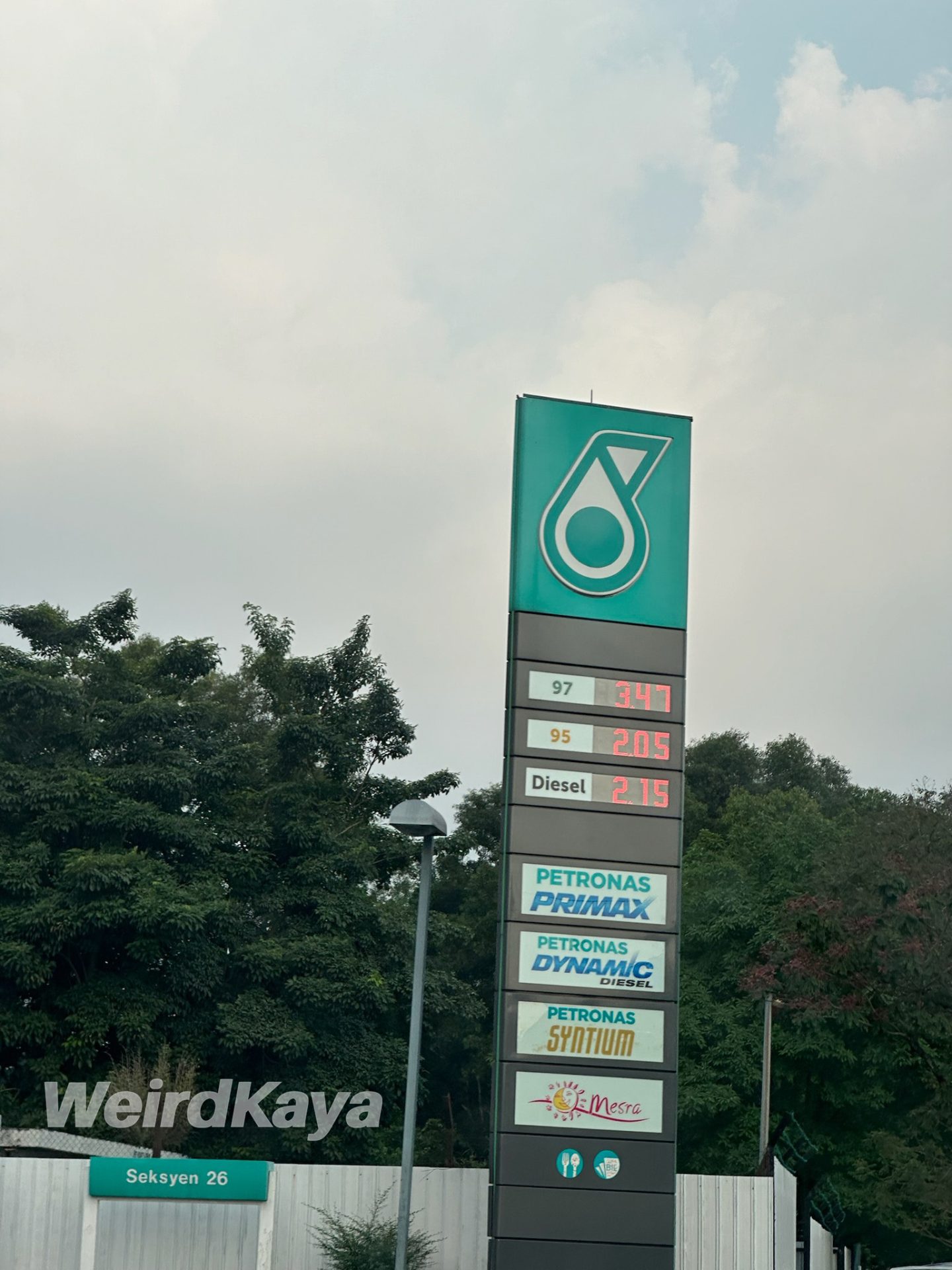
Yes, Malaysia produces oil. But here’s what many don’t realise: we still rely heavily on imported crude oil to meet local demand.
In fact:
- More than half of the crude oil processed in Malaysia is imported
- Nearly 40% of these imports pass through the Strait of Hormuz
So when that route is disrupted, it directly affects the supply coming into Malaysia.
In simple terms, it’s like having your own groceries at home but still depending on deliveries to fully stock your kitchen.
What this could mean for you
You may not feel it immediately, but if the situation continues or worsens, the impact can trickle down.
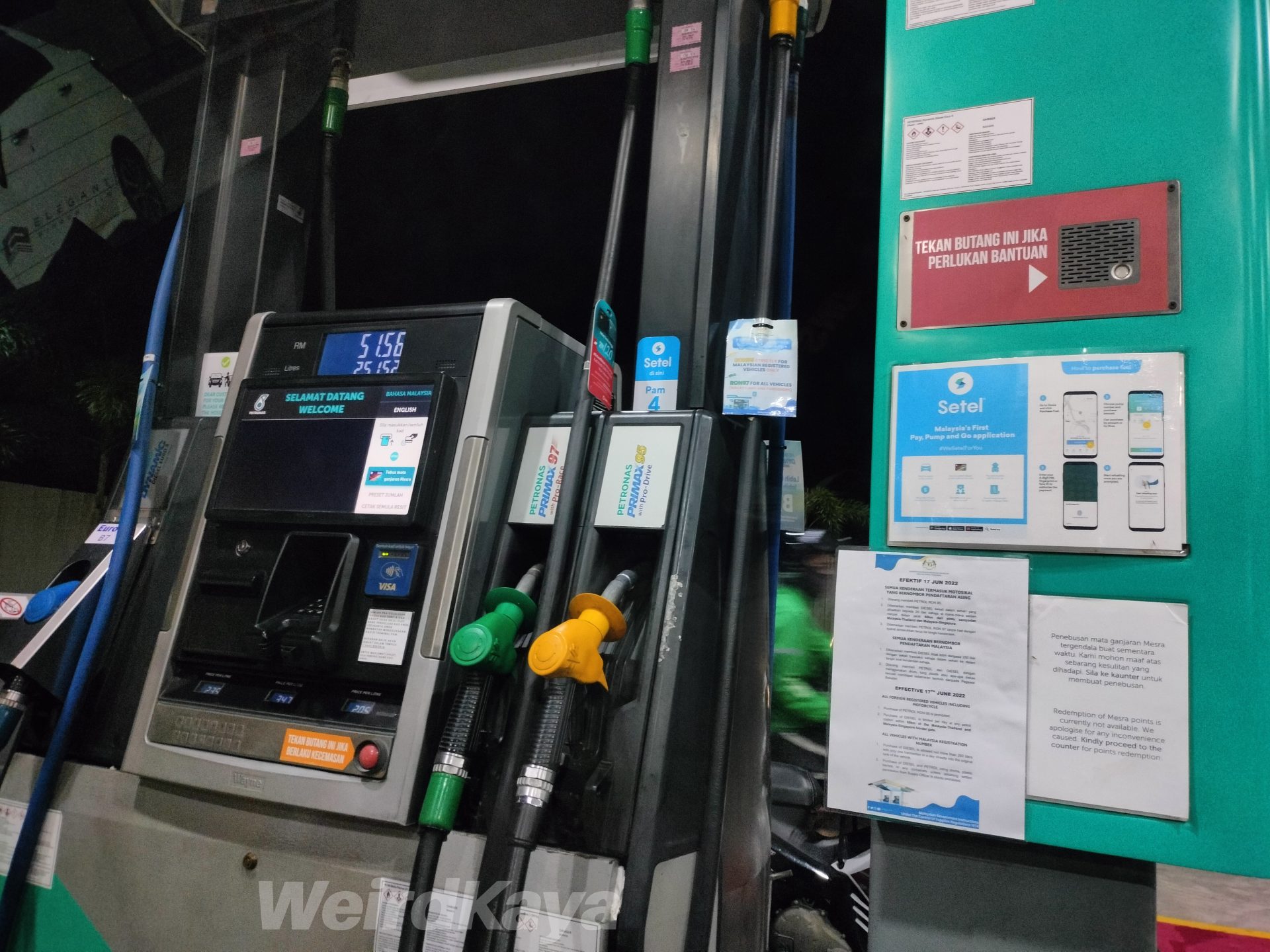
Here’s how it might show up:
- Fuel supply could become tighter
- Petrol and diesel costs may come under pressure
- Transportation and delivery costs could rise
- Prices of goods might increase over time
Even aviation fuel and LPG could be affected, since they are also tied to the same supply chain.
The good news is that Malaysia is not caught off guard and PETRONAS has already taken steps to stabilise the situation.
For now:
- Fuel supply at stations is expected to be sufficient until at least end of May 2026
- Prices remain regulated by the government
- Subsidies for RON95 and diesel are still in place
What you should actually do
At this stage, the best thing Malaysians can do is stay calm and be mindful.
- Avoid panic buying
- Use fuel responsibly
- Keep an eye on official updates
Situations like this tend to evolve, but sudden overreaction can create unnecessary shortages locally.
What’s happening at the Strait of Hormuz is a clear example of how global events can quietly affect daily life in Malaysia.
For now, things remain stable but it’s definitely a situation worth paying attention to.