
Recent discussions online have sparked curiosity among Malaysians after news circulated that Thailand and Vietnam are encouraging work-from-home (WFH) arrangements to reduce energy consumption.
Some Malaysians are now asking whether Malaysia might consider a similar move.
Thailand and Vietnam encouraging WFH
According to recent news online, Thailand has begun encouraging WFH as part of efforts to reduce energy usage.
Meanwhile, reports also indicate that Vietnam is promoting remote work to help cut fuel consumption, particularly from daily commuting.
The move is seen as one way to lower national energy demand, especially during periods when fuel prices and energy costs are rising.
Malaysians begin asking questions
Following the news, several Malaysians took to Threads to share their thoughts.
One user wrote:
Thailand has already announced WFH to help reduce costs for the public. When will Malaysia follow? Especially in the private sector, many companies have already moved back to WFO instead of WFH.”


The post quickly gained traction, with many users joining the conversation about whether Malaysia should consider adopting a similar approach.
Another user also noted that several countries have already explored the idea.
Pakistan, Australia and the Philippines are encouraging WFH to prevent fuel demand from staying high just because of daily work commutes. Hopefully Malaysia will follow as well.”
Some say WFH only works for certain industries
However, not everyone believes WFH can be widely applied.
Some users pointed out that WFH would only be suitable for jobs that rely mainly on laptops, such as corporate, administrative, or tech roles.
One commenter explained that industries like F&B, logistics, and other hands-on sectors would still require employees to be physically present.
Actually, there are certain industries that can work from home without affecting their work. These are jobs that mainly involve working on a laptop and don’t require a physical presence.”
Another commenter argued that Malaysia’s situation may be different due to its fuel subsidy system, saying the country currently lives in a “subsidised reality”, which could make policies like WFH less straightforward compared to countries that follow global fuel prices.

Could WFH help with traffic too?
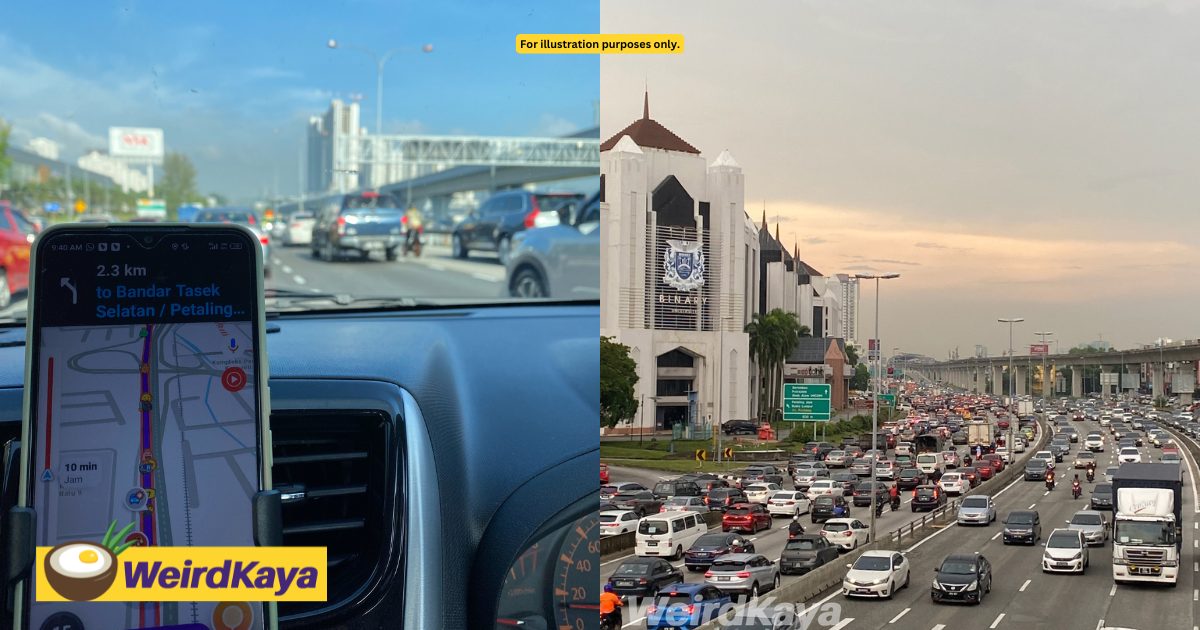
Some netizens also pointed out that encouraging WFH, even partially, could help reduce traffic congestion in major cities.
With fewer people commuting daily, they argued that it could potentially lower fuel consumption and overall energy use.
For now, however, there has been no official announcement from the Malaysian government regarding a nationwide push for WFH.
Still, the discussion continues online, with many Malaysians watching closely to see whether such policies might eventually be considered.