
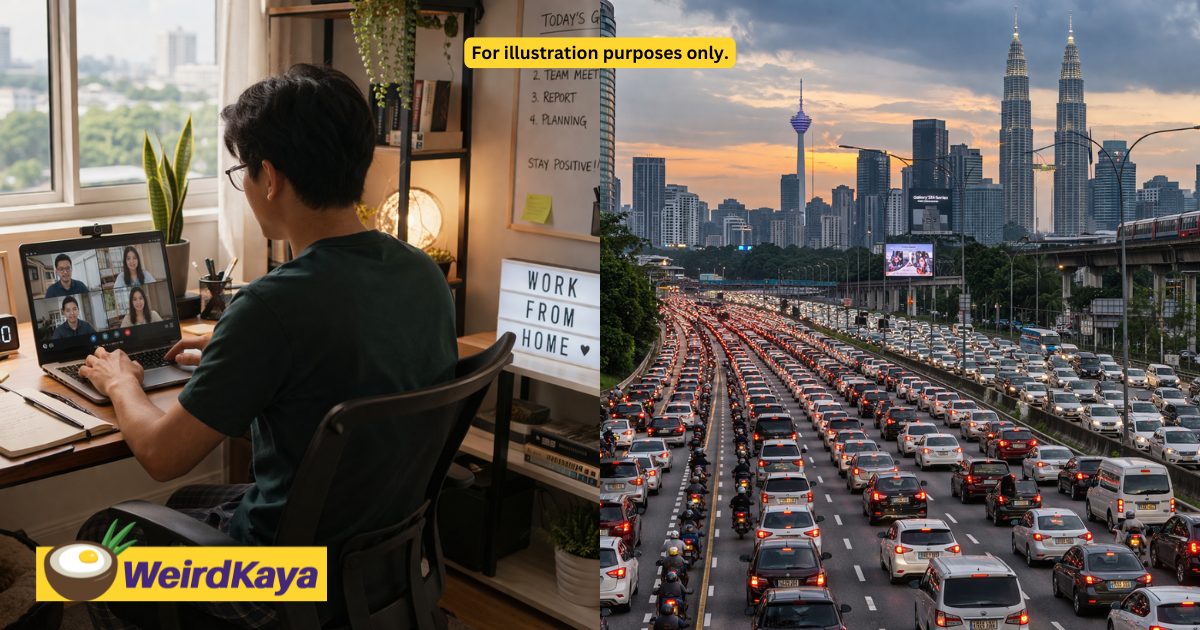
Working from home might not just save you time and petrol money, it could also save the government hundreds of millions each month.
According to environmental group RimbaWatch, implementing work-from-home (WFH) arrangements for just half of the Klang Valley workforce could lead to massive fuel subsidy savings, reported FMT.
Just half of Klang Valley workers can make a big difference
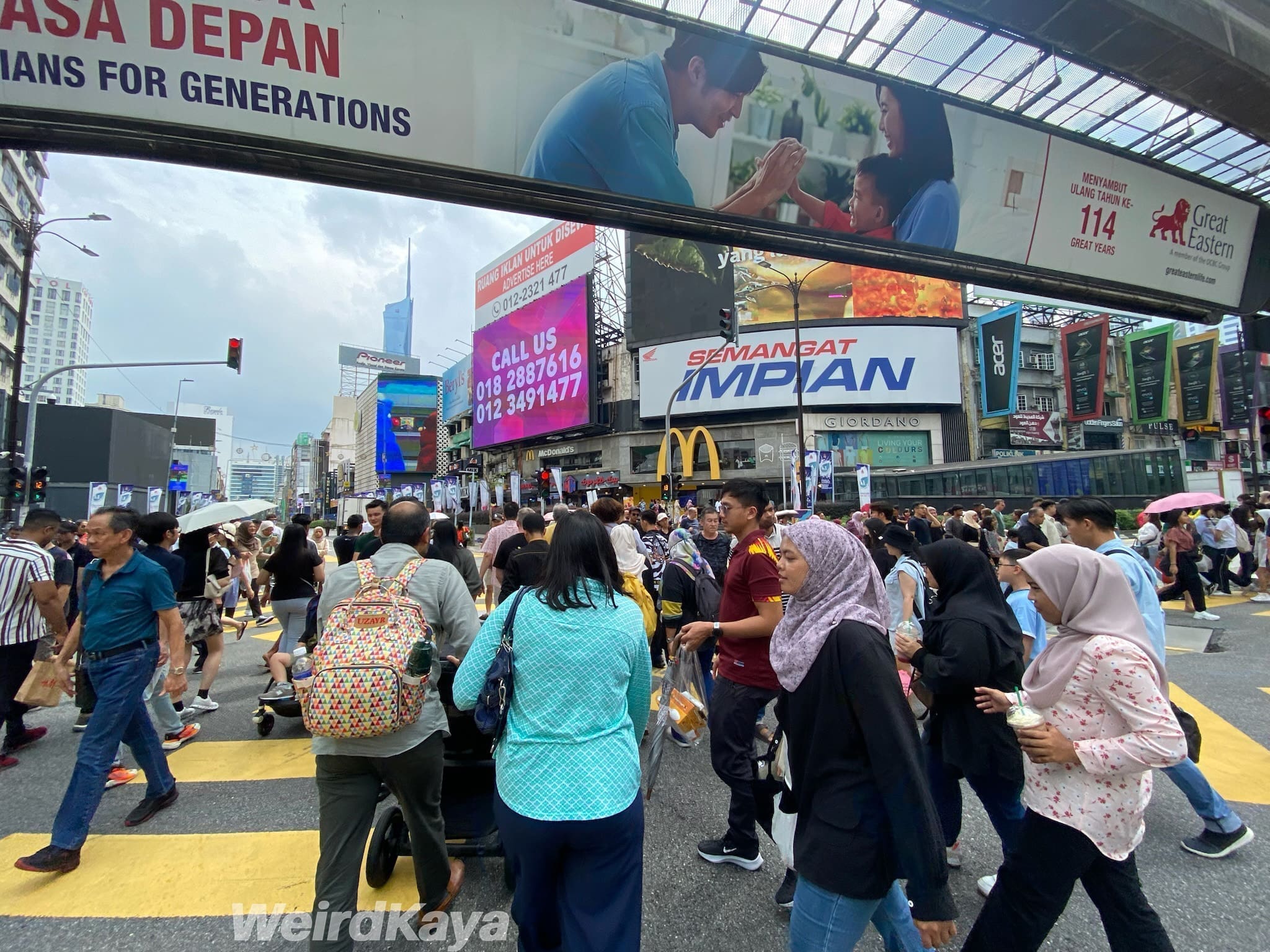
Based on government and research data, around 2.04 million workers (half of the Klang Valley’s 4.08 million workforce) would stay off the roads if WFH is adopted.
Here’s what that could mean in simple terms:
- Fewer cars on the road: 2.04 million people not commuting
- Petrol saved daily: 4.51 million litres
- Petrol saved monthly: 90.2 million litres
- Monthly subsidy savings: RM169 million
- Yearly savings: Up to RM2.03 billion
Nationwide impact could hit RM1 billion monthly

The Klang Valley only makes up about 23% of Malaysia’s workforce.
If WFH is expanded nationwide, the potential impact becomes even bigger:
- Estimated nationwide savings: Up to RM1 billion per month
- Less congestion across major cities
- Lower carbon emissions
WFH rollout begins April 15
Starting April 15, employees in government ministries, agencies, statutory bodies, and government-linked companies will be allowed to work from home.
Private companies have also been encouraged to adopt similar arrangements.
This move comes amid rising fuel costs following disruptions in global supply chains due to the Middle East conflict, with Brent crude prices surpassing US$100 since late February.
Fuel subsidies still costing billions
Despite potential savings, Malaysia’s fuel subsidy bill remains high:
- Monthly subsidy cost: Around RM4 billion
- RON95 price: RM1.99 per litre (under BUDI95 scheme)
- New quota (from April 1): Reduced from 300L to 200L per month
Beyond cost savings, reducing daily commutes could bring longer-term benefits:
- Less traffic congestion
- Lower environmental impact
- Reduced dependence on fossil fuels
RimbaWatch noted that rising fuel prices highlight the need for structural changes in Malaysia’s transport system, including better public transport and a gradual shift towards more sustainable energy sources.