Exclusive Story by WeirdKaya – Proper accreditation to WeirdKaya and consent from the interviewee are required.
Growing up in Kuala Lumpur, Ikhwan Khaleb wasn’t the kind of kid one would describe as careful.
He was curious. Mischievous. Always eager to explore…sometimes a little too eager. By the age of four, he had already broken a tooth. A year later, he sprained his leg and needed stitches on his head.
As the youngest and only son in a family with two older sisters, Ikhwan spent his childhood bouncing between Bangsar, Kepong, and eventually Seri Kembangan, where he collected scars, stories, and an unshakeable sense of curiosity along the way.
In retrospect, that curiosity felt less like recklessness and more of a quiet clue to who he would eventually become.
The moment nuclear entered his world
Like many Malaysian kids in the early 2000s, Ikhwan grew up watching cartoons. While Cartoon Network and Nickelodeon were staples, there was something else that kept pulling him in whenever he tuned into National Geographic and Discovery Channel.
Around the age of 10 or 11, he was introduced to the idea of nuclear technology for the first time. He remembers watching scientists speak passionately about the future of energy, the scale of nuclear systems, and the idea that invisible particles could power entire cities.
“It fascinated me. The scale, the intricacy, the fact that something you can’t even see could change the world,” he said.
The turning point came years later during his SPM days, when Ikhwan learned that Malaysia was exploring nuclear power as a potential energy source.
I remember telling myself, ‘Yup, I’m going to be a nuclear engineer and help build Malaysia’s first nuclear power plant,’” he said. “It might have sounded naive at the time, but that thought became the starting point of everything.”
‘Why nuclear?’
Telling people about his dream was a different story altogether.
The reaction, Ikhwan said, was mostly negative.
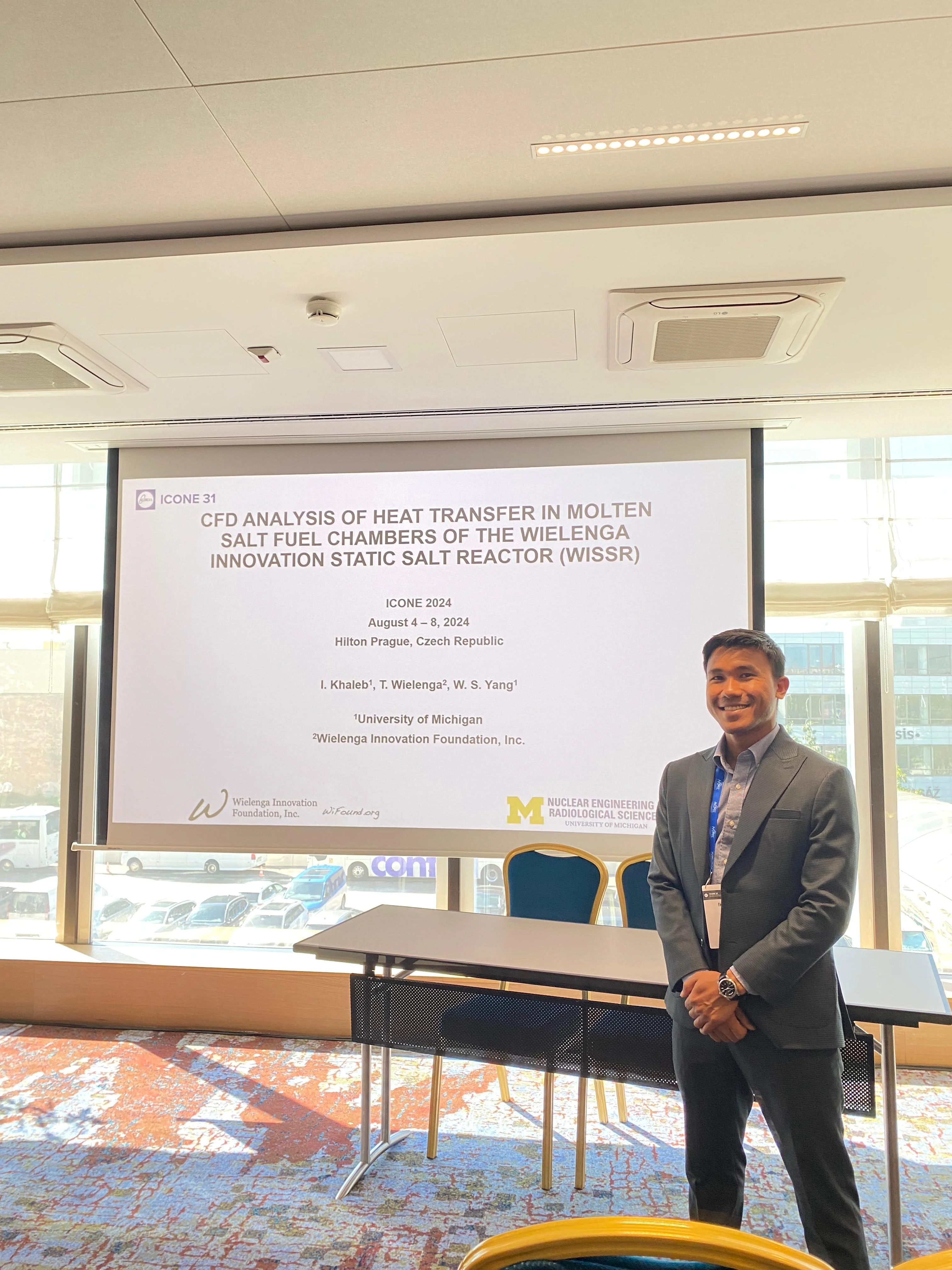
His father believed nuclear energy was the future, but strongly opposed his son studying it due to its lack of practicality and job security. Eventually, his father encouraged him to pursue a double major in nuclear engineering and mechanical engineering as a safety net, a piece of advice Ikhwan agreed to, even if his heart was set on something else.
In university, someone I really looked up to told me studying nuclear engineering was a waste of time. They said I’d probably end up using only my mechanical engineering degree,” he recalled.
Walking away, however, never felt like an option.
“It was risky. But not pursuing what I believed in felt like an even bigger risk; the risk of losing my sense of purpose.”
Today, as global conversations around nuclear energy slowly shift, Ikhwan is seeing more Malaysians step forward into the field, something that once felt almost unthinkable.
Pushed to the brink
Studying overseas in such a demanding field was never easy, but Ikhwan genuinely loved what he was learning until his master’s programme tested him in ways he wasn’t prepared for.
“My first semester nearly shattered my confidence. There were moments when I truly believed I wasn’t meant for nuclear engineering.
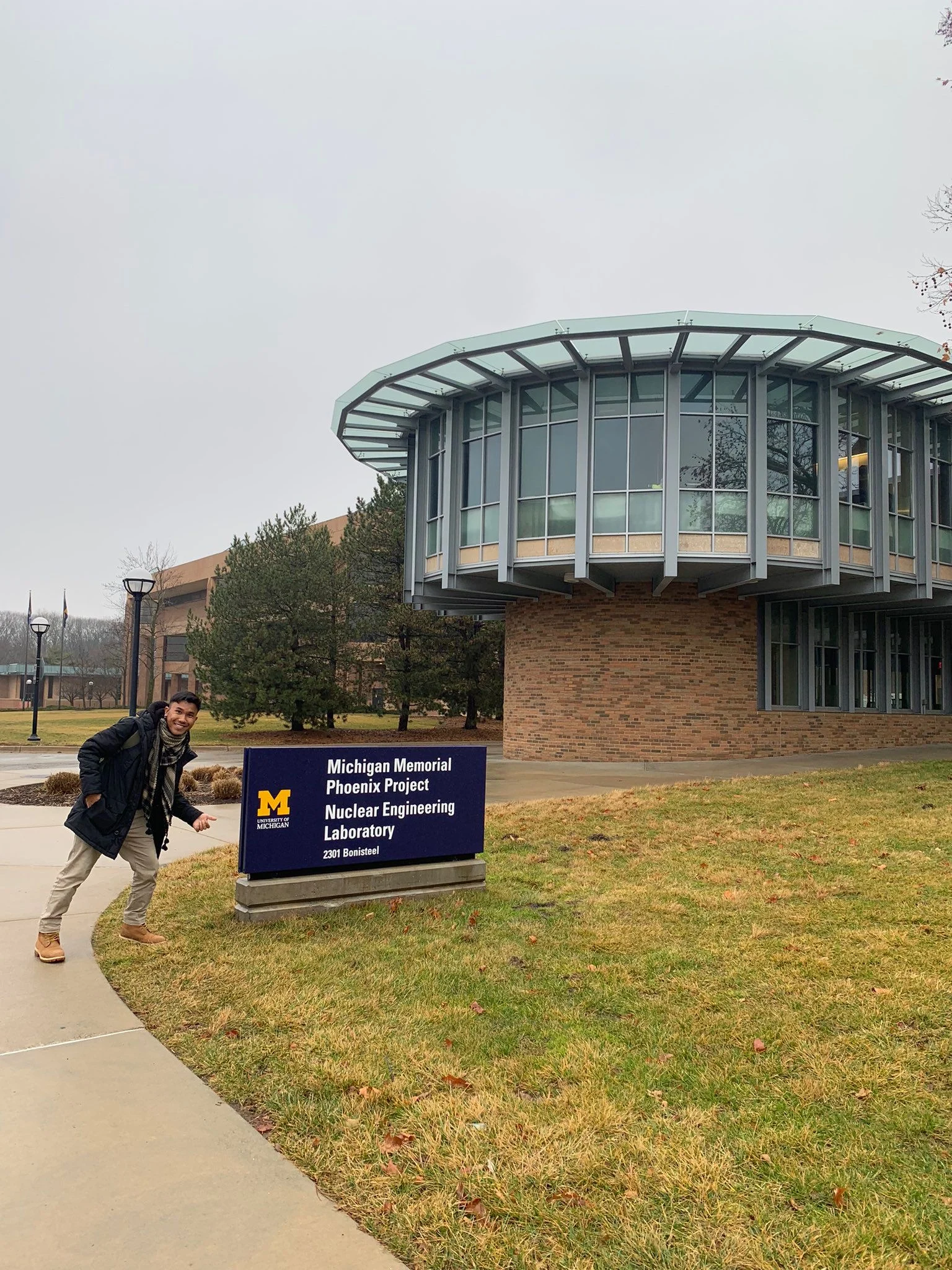
“My advisor was a South Korean professor with nearly 40 years of experience in the nuclear power industry, and his standards were uncompromising. Mistakes, especially in calculations and research were not treated lightly.
“It was brutal. But it changed me,” he added.
Intense pressure forced Ikhwan to think more critically, work more meticulously, and develop the discipline the field demands. In nuclear engineering, errors are not just academic, they can be catastrophic.
Through it all, his wife became his anchor, helping him rebuild confidence when it felt completely gone.
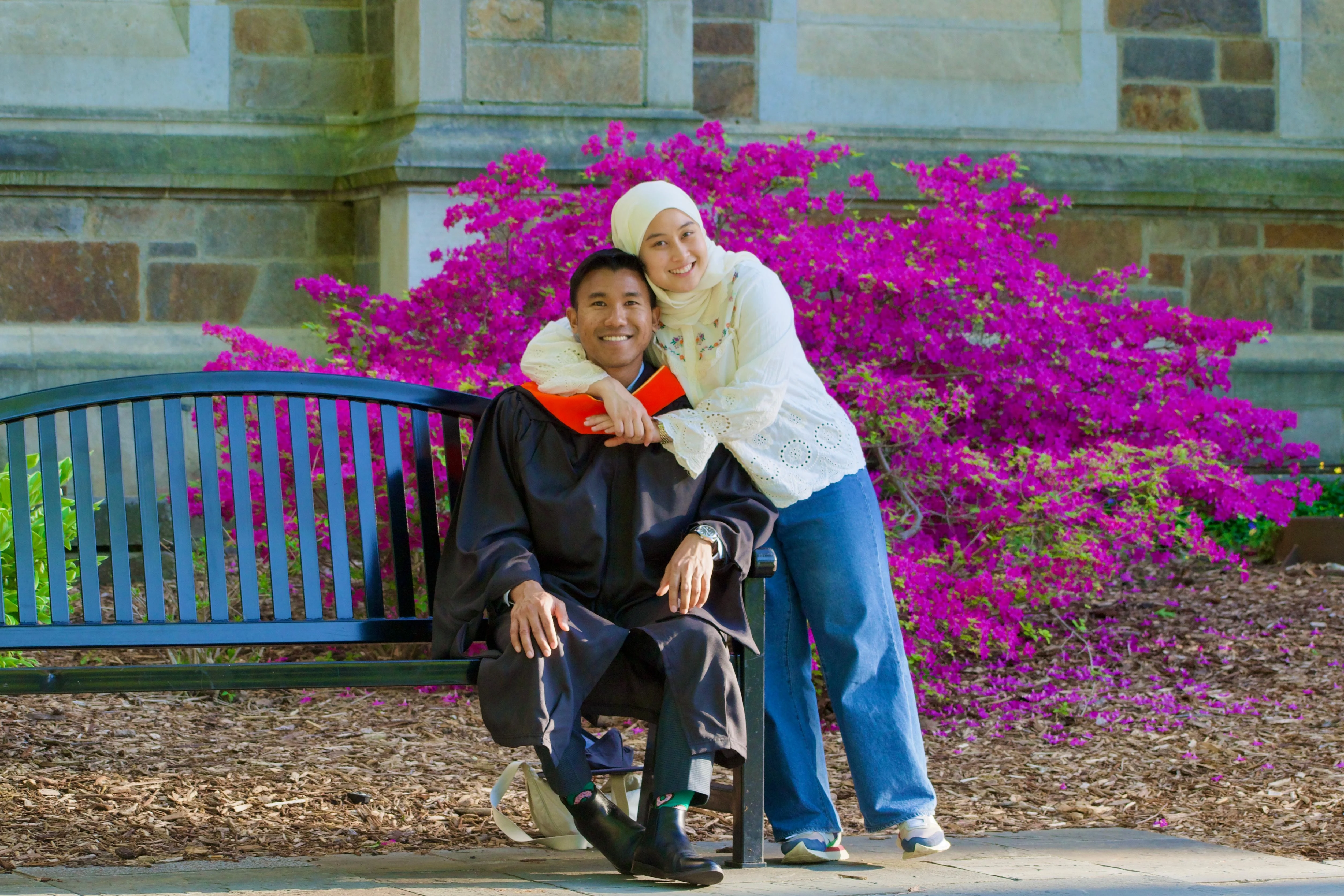
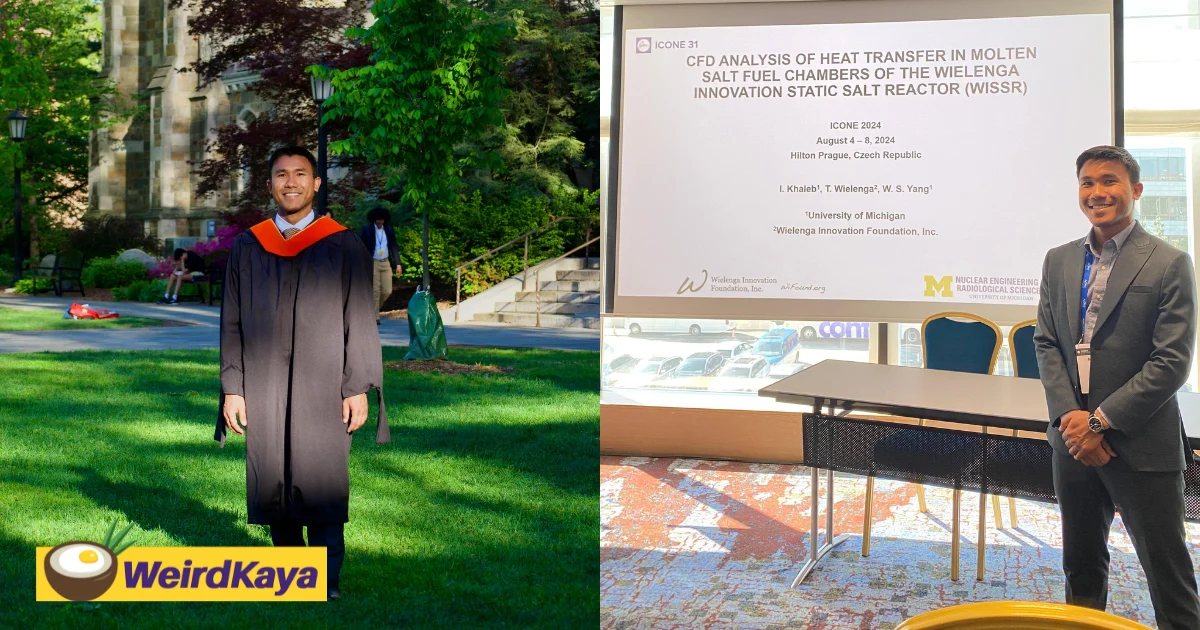
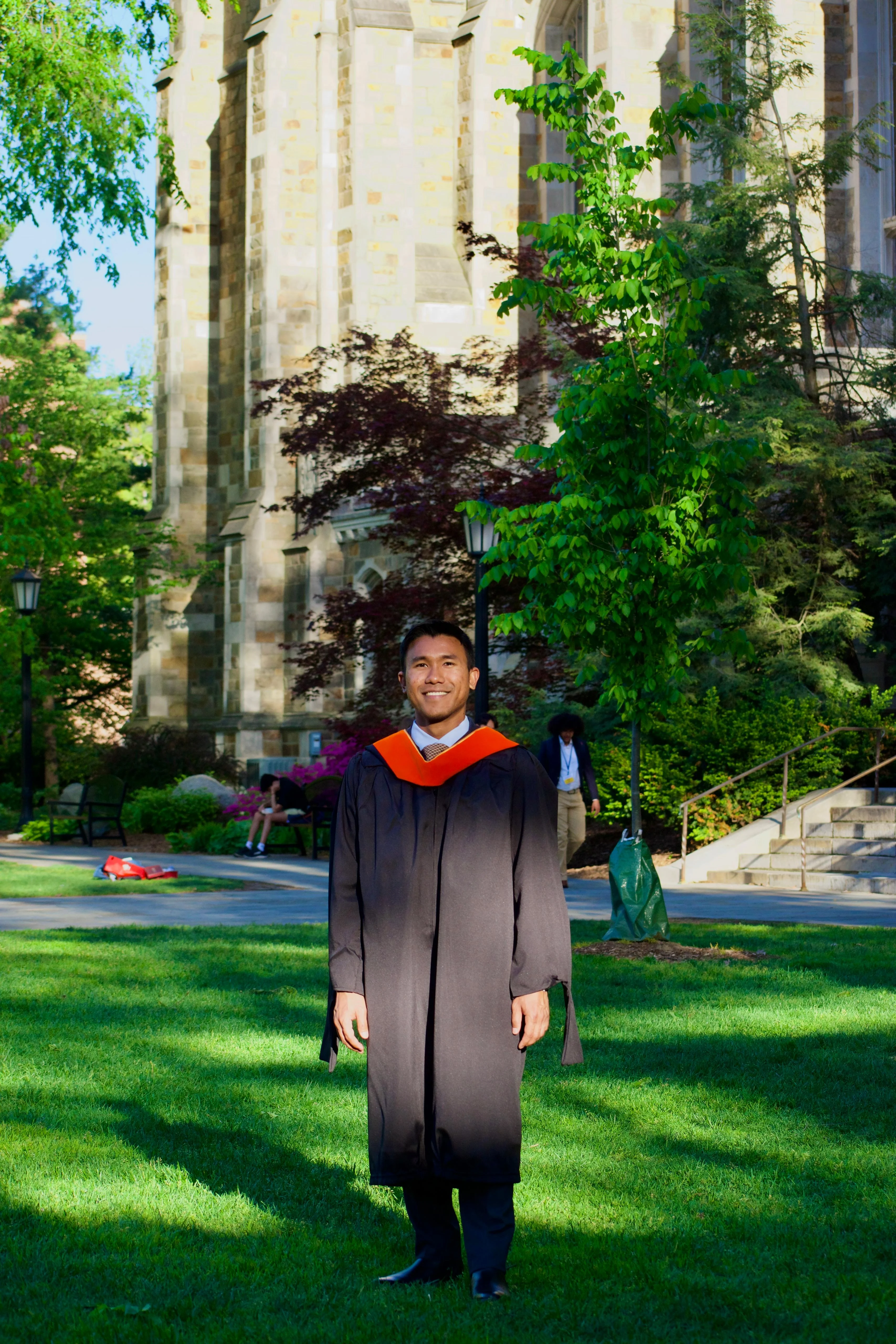
Today, Ikhwan works in the nuclear industry in the United States, a reality that feels both surreal and strangely expected.
“I’m incredibly grateful to be here. But at the same time, it doesn’t feel entirely surprising.”
For years, I’ve been working towards this path, believing it was possible even when the odds felt slim. I owe it all to my parents, family, and especially my wife for supporting me through every high and low.
“There are still many goals ahead.But with them by my side, this feels like only the beginning,” he said.
All things nuclear on TikTok
Outside of his professional work, Ikhwan is also known online as @nucleartuclear, where he breaks down nuclear science for everyday audiences on TikTok.
The decision to go public wasn’t random, it was deeply personal.
“I realised the negative perceptions of nuclear energy weren’t just in my circles. They were also deeply rooted in society.
Most of the fear stemmed from misunderstanding as nuclear energy was often associated with bombs, disasters, and worst-case scenarios.
“So I asked myself, how do we help people understand nuclear energy? The answer was social media,” he explained.
Academic and professional spaces already had valuable discussions, but public education was sorely missing and TikTok allowed him to explain complex ideas in ways that felt relatable.
However, talking about nuclear energy online doesn’t come without criticism.
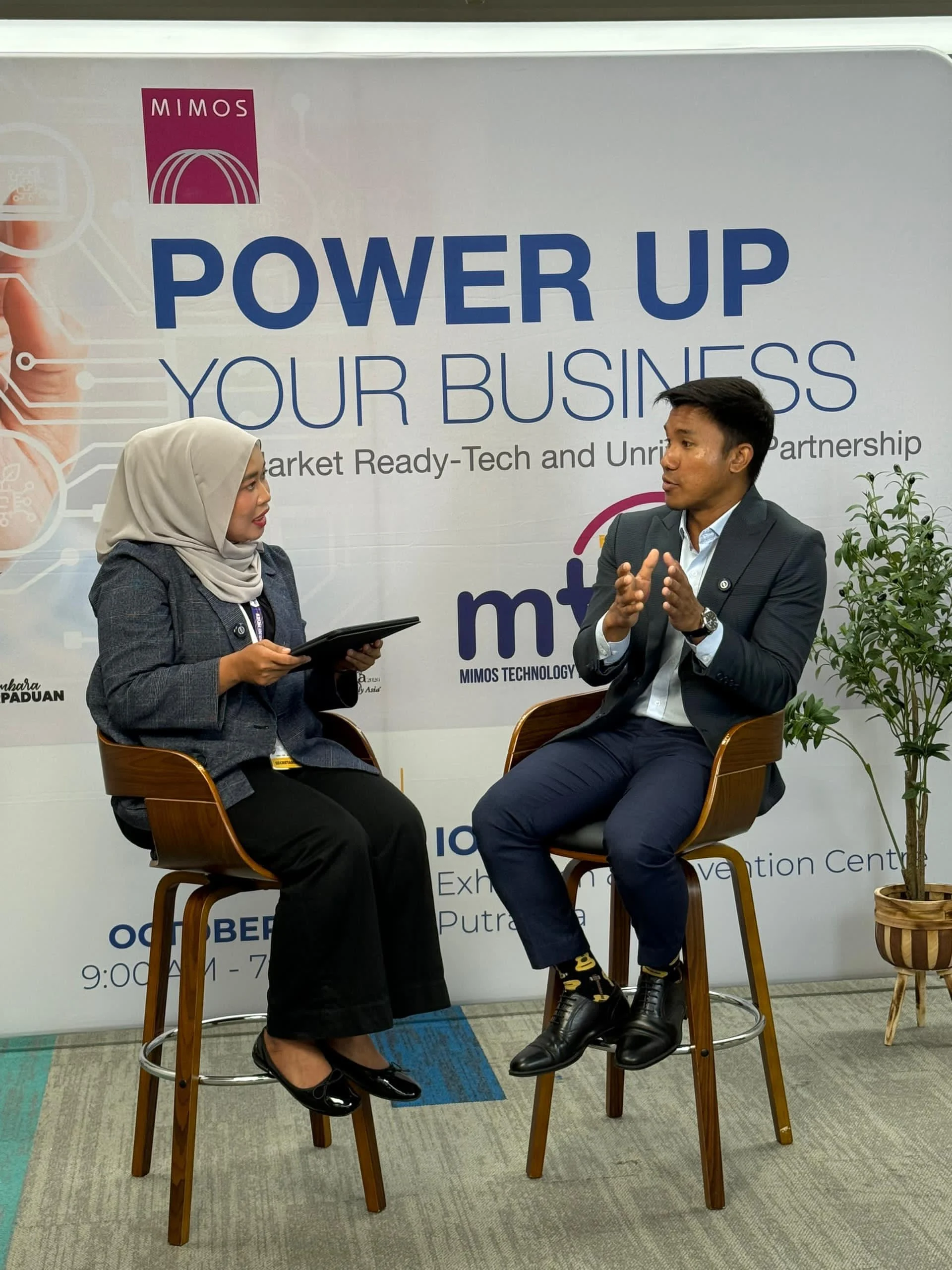
“Oh, so you make bombs?” was a reaction Ikhwan had already grown used to long before TikTok. Hate comments accusing him of promoting something “dangerous” or “harmful” followed soon after.
But he doesn’t take them personally at all.
“To me, those reactions point to a bigger problem, deep-rooted misunderstanding and paranoia.
“Instead of shutting down, I take criticism as feedback. If someone reacts negatively, I will ask whether I’ve explained something clearly enough and how I can do better.
“The positive engagement far outweighs the negativity. And that’s what keeps me going,” he added.
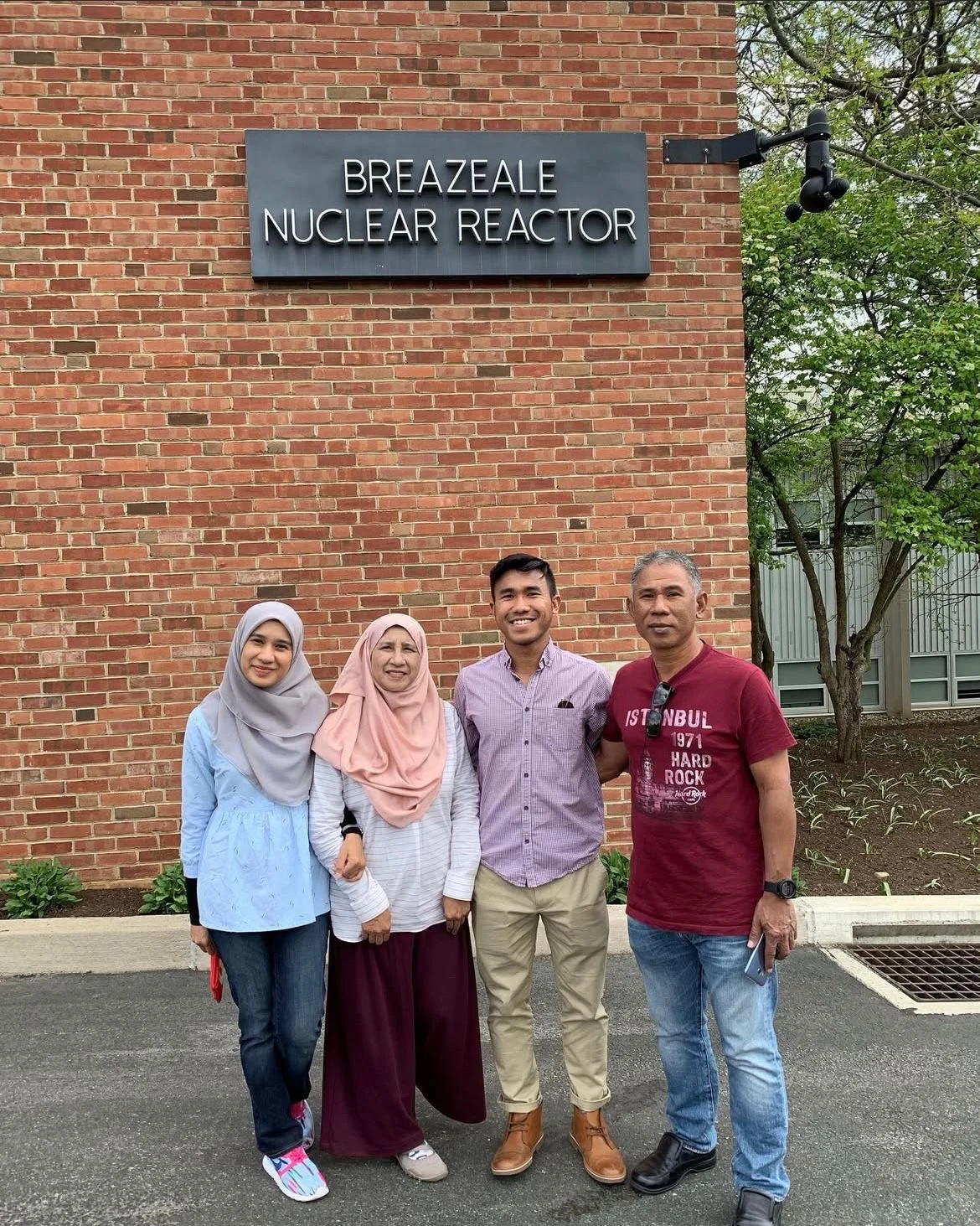
While nuclear energy remains controversial globally, Ikhwan believes fear often comes from history and one-sided narratives.
“Nuclear has been introduced through accidents, weapons, and worst-case scenarios, not balanced education.
“Malaysia is already reconsidering nuclear power as part of its National Energy Transition Roadmap. While the public may not be fully ready yet, I’m already seeing progress.
“With more access to information, we’re moving towards more informed conversations. What’s important is transparency and continuous engagement with the public.”
The sacrifice nobody sees
Balancing a high-stakes engineering career with content creation comes at a precious cost, and that is time.
“I give up many nights and weekends,” Ikhwan admitted. “It’s a constant juggling act.”
While there’s no tangible reward for his TikTok work, Ikhwan sees it as a form of giving back to society. Opportunities in nuclear engineering are rare for Malaysians, and if his content inspires even one person to consider the field, every late night feels worth it.
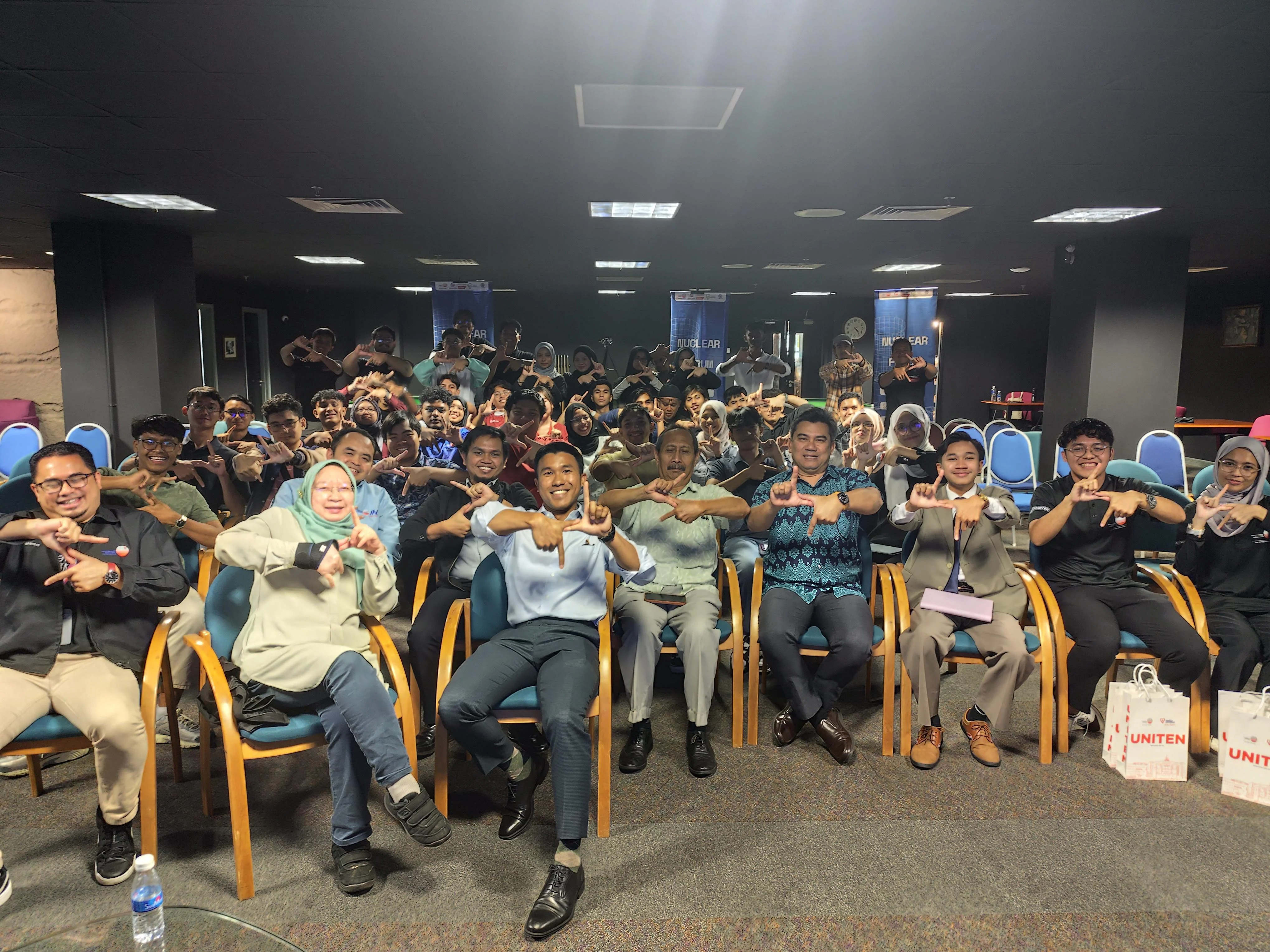
Being a Malaysian in such a niche field abroad doesn’t feel lonely to Ikhwan perhaps because he’s grown used to it.
There’s a small, scattered community of Malaysian nuclear engineers and enthusiasts around the world, and he makes an effort to stay connected.
“My focus now is to keep learning. So that when the time comes, I can give back and contribute meaningfully to Malaysia.”
Looking back, Ikhwan admits he once believed success was linear, something you achieved alone if you worked hard enough. But reality taught him otherwise.
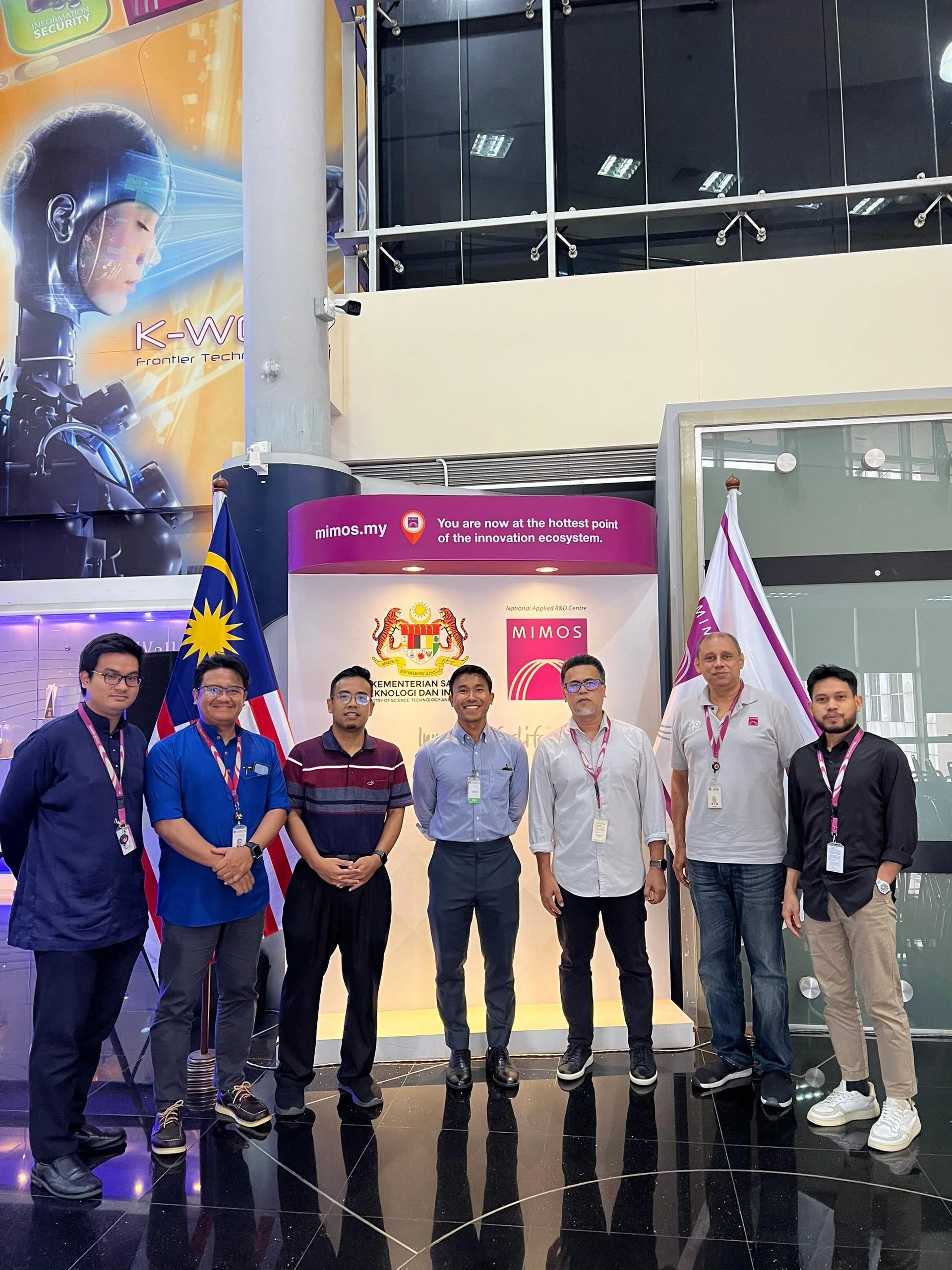
“Success is shaped by family, mentors, peers, and circumstance. Hard work matters, but human connection matters just as much,” he shared.
If he could speak to his younger self, his advice would be simple: embrace discomfort, step out of your comfort zone, and enjoy the journey.
And when people scroll past his TikTok videos, there’s one thing he hopes they take away.
“Nuclear energy is not something to fear. Most fear comes from misconceptions. Stay curious. Question what you believe. And always seek the truth.”
Exclusive Story by WeirdKaya – If you wish to reproduce this story, please ensure that you obtain consent from the interviewee to maintain factual accuracy and avoid the potential spread of misleading information.

If referencing or using any information from our story, we kindly ask that proper credit is given, along with a backlink to WeirdKaya, as acknowledgment of the efforts made by our editors in sourcing and conducting interviews.