
A Malaysian man recently asked those working in IT and cybersecurity to share basic safety tips with the public.
His goal was to raise awareness so more people can stay safe in today’s digital world.
According to many netizens, most cyber incidents don’t start with genius hackers. They start with everyday mistakes.
1. Public WiFi is not your friend
If there was one piece of advice repeated over and over, it was this: do not log into your bank account while using public WiFi.

Open networks are highly vulnerable to “man-in-the-middle” attacks, where attackers can intercept data sent over the same connection.
Netizens strongly advised avoiding online banking, debit or credit card payments, and any sensitive logins when connected to public hotspots.
2. Banks will never send clickable links
A commenter who claimed to work in the digital department of a bank shared an insider tip: banks are not allowed to send clickable links in marketing emails.

So if you receive an SMS, WhatsApp message, or email asking you to click a link to verify your account, that’s a major red flag.
Instead, always type the official URL directly into your browser.
Because phishing websites today look almost identical to the real ones. The only difference is usually a slightly altered web address.
3. 2FA is no longer optional
If you’re not using Two-Factor Authentication (2FA) yet, netizens say you’re leaving your accounts exposed.

Common advice included:
- Use strong and unique passwords
- Do not reuse the same password across platforms
- Activate 2FA or Multi-Factor Authentication (MFA)
- Use a trusted password manager
And definitely do not save passwords in your Notes app or WhatsApp.
4. If it’s too good to be true, it probably is
From suspicious Google Forms asking for salary details to investment offers promising unrealistic returns, users reminded everyone: there’s no such thing as free money.

If an ad or offer looks too good to be true, walk away. If a random survey asks for your full name, address, job, and income range, question it.
Scammers don’t just hack systems. They collect and sell personal data.
5. Strange file names? Big warning sign
One netizen joked: “If you see a file named namafile.pdf.exe, be careful.”

A file that looks like a PDF but ends in “.exe” is likely malware.
Others also warned against:
- Downloading random APK files
- Installing third-party apps without understanding security risks
- Uploading company documents to random online conversion tools
One IT worker shared that even employees sometimes upload real company production data into online formatting tools, accidentally exposing confidential information.
6. Oversharing on social media is risky
Cybersecurity does not stop at passwords.
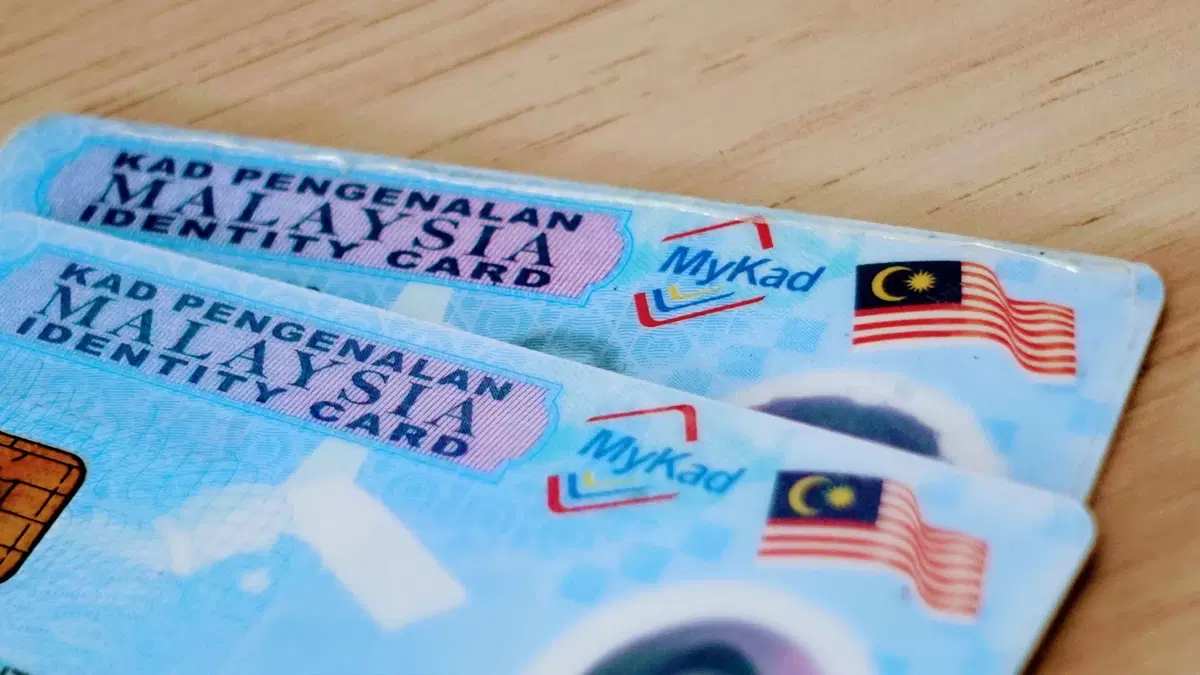
Netizens also warned against:
- Posting your identity card online, even if partially covered
- Sharing too many personal details publicly
- Uploading sensitive documents to AI tools
- Publicly sharing too much about your children
What seems harmless can sometimes become valuable data for scammers.
View on Threads